Beyond Revenge: The Unforgettable Story of Ameneh Bahrami and the Ultimate Act of Forgiveness
Beyond Revenge: The Unforgettable Story of Ameneh Bahrami and the Ultimate Act of Forgiveness
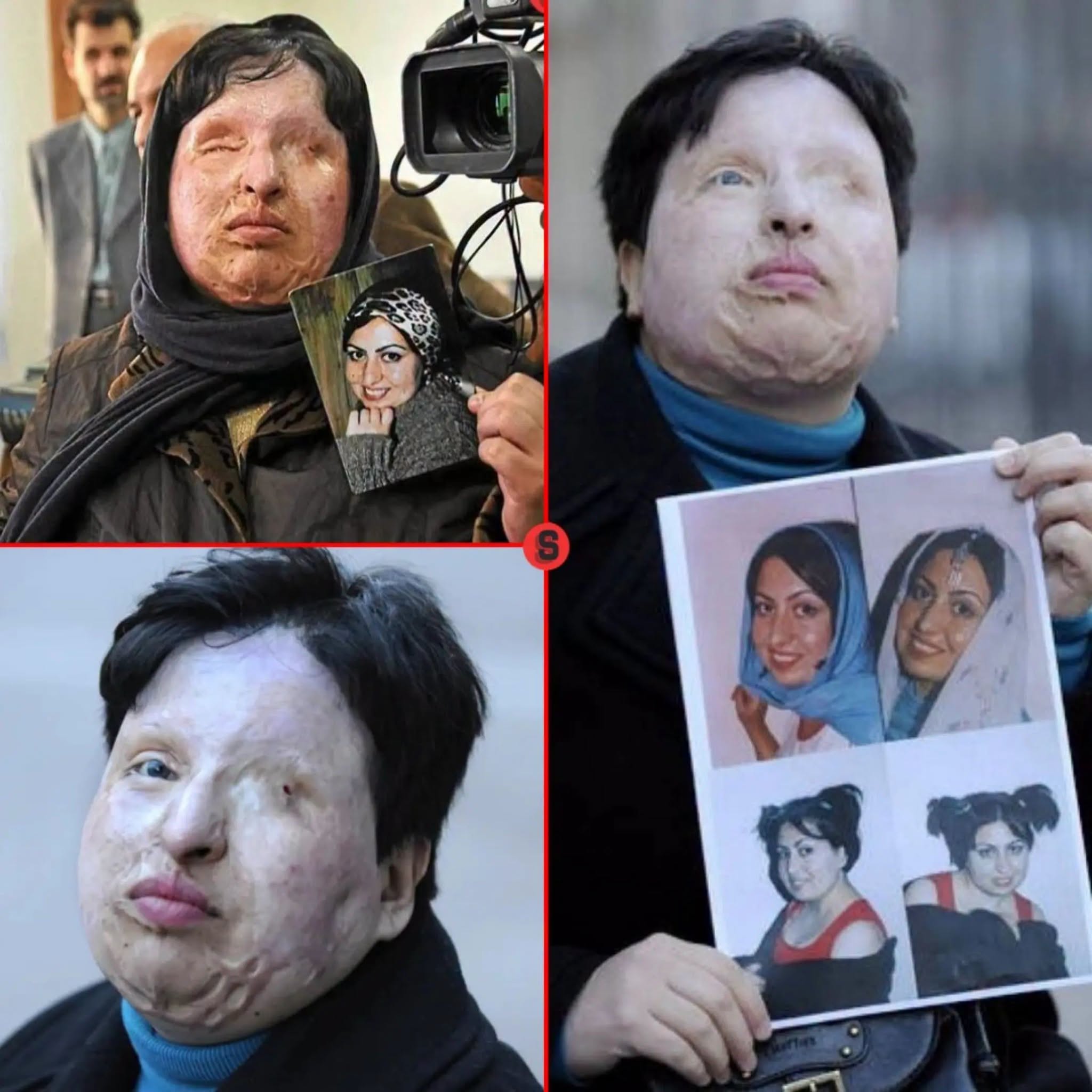
In 2004, the life of 26-year-old Iranian woman Ameneh Bahrami was forever altered in a single horrific instant. After repeatedly declining a marriage proposal from a man named Majid Movahedi, she was targeted in a brutal revenge attack. Movahedi ambushed Ameneh on the street and threw sulfuric acid directly into her face. The severe chemical burn left her deeply disfigured and completely blind. Seeking specialized medical treatment and hope for recovery, she relocated to Spain, where she endured dozens of painful, complex facial reconstruction surgeries.
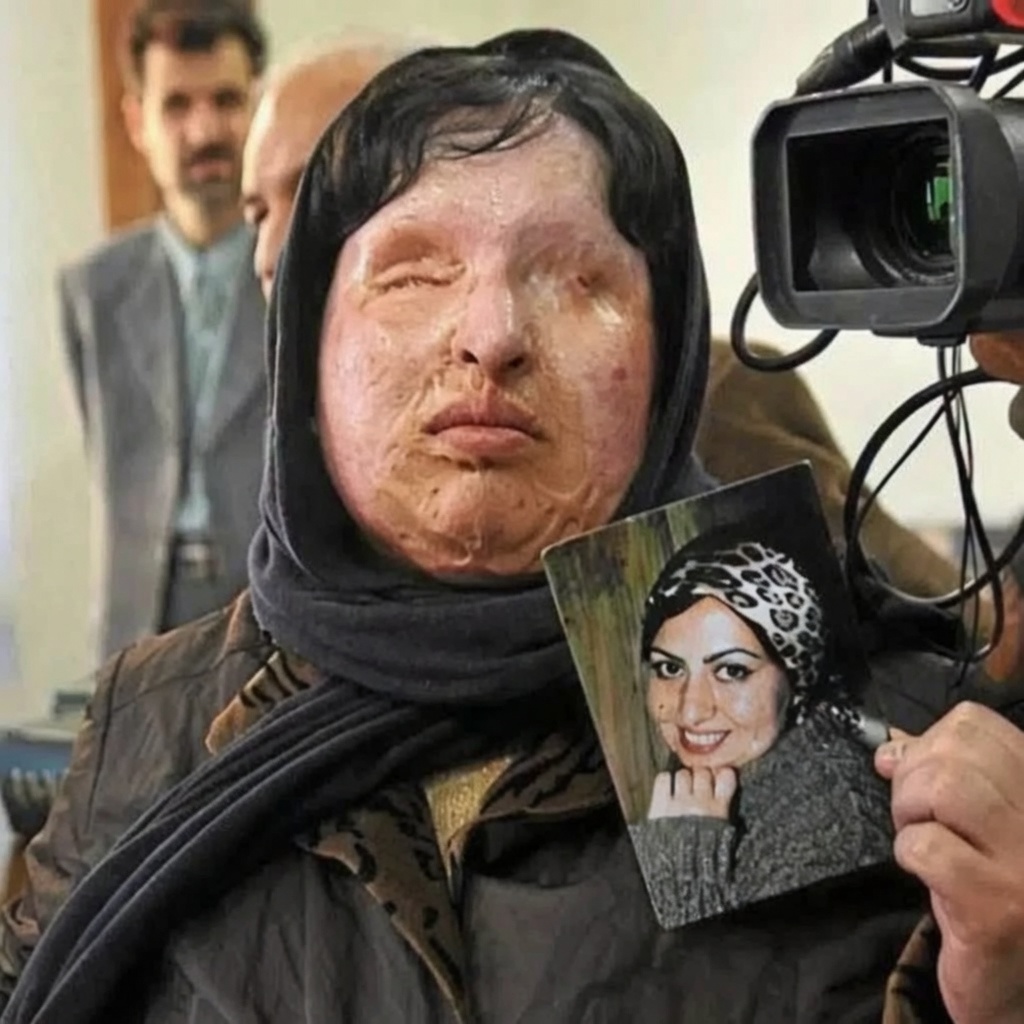
Determined to seek justice for the horrific crime, Ameneh embarked on a long, arduous legal battle in Iran. Her pursuit reached a historic milestone in 2008 when Iranian courts granted her the right to retribution under the Islamic law principle of Qisas—often described as “an eye for an eye.” Under this legal ruling, Ameneh was officially granted the authority to inflict the exact same punishment upon her attacker: blinding Majid Movahedi by dripping acid into his eyes.
By July 2011, the day of execution had arrived at a hospital ward in Tehran. Movahedi was prepared and sedated, waiting for the sentence to be carried out under strict medical supervision. With the world watching and the legal right to extract ultimate vengeance in her hands, Ameneh made a breathtaking decision at the final second. She announced that she was pardoning her attacker, halting the procedure entirely.
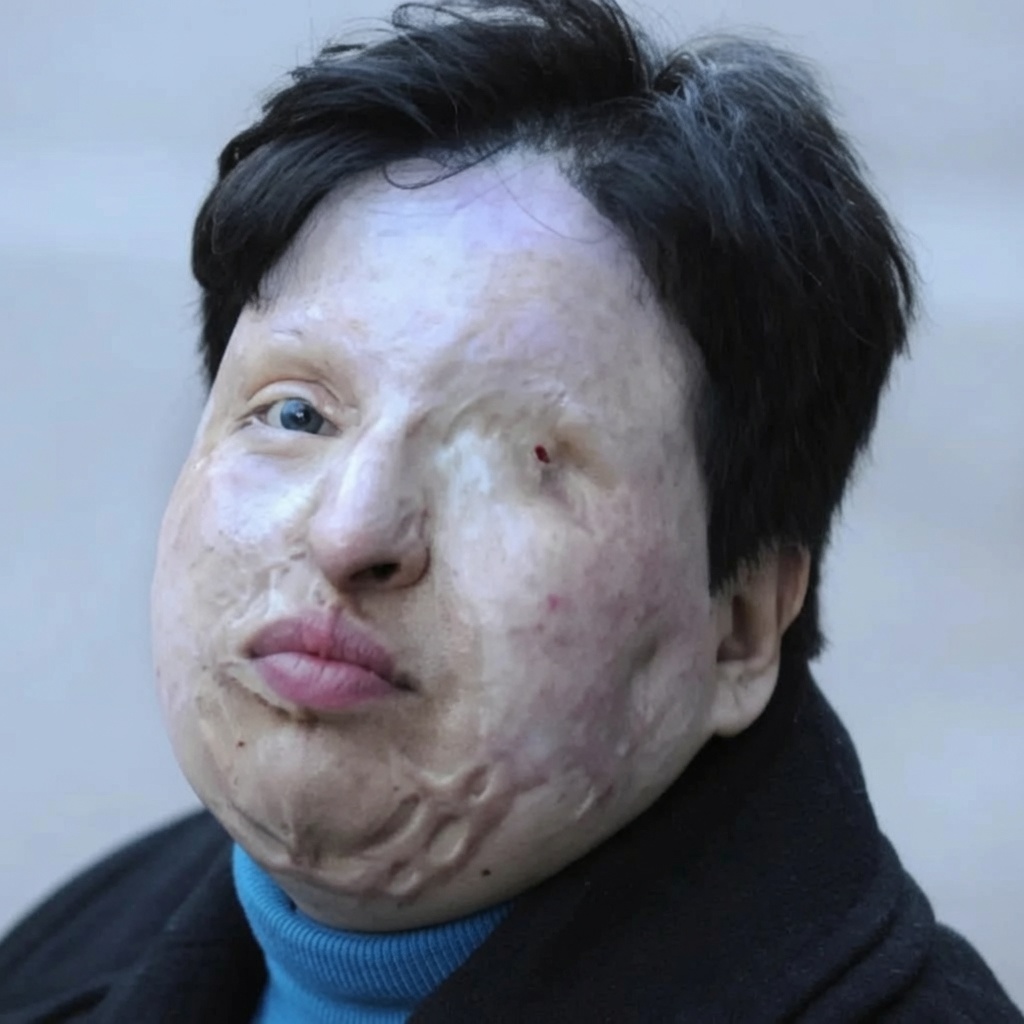
Ameneh waived her right to blind him, choosing instead to request financial compensation to assist with her ongoing medical expenses and asking that her attacker remain in prison to serve a custodial sentence. Her sudden act of mercy reverberated across the globe. By choosing compassion over retaliation, Ameneh turned a story of tragic destruction into a powerful testament to human grace, proving that the highest form of justice sometimes lies in the strength to forgive.