Tragedy on the Summit: Utah Hiker Killed by Lightning Just Steps from the Peak While Hiking with His Brother
Tragedy on the Summit: Utah Hiker Killed by Lightning Just Steps from the Peak While Hiking with His Brother
In the high, unforgiving peaks of Utah’s Wasatch Range, where the sky can turn from clear to deadly in minutes, a sudden strike of lightning claimed the life of an experienced hiker just steps from his goal.
On Saturday, July 18, 2026, 59-year-old Craig Nelson was struck and killed by lightning near the summit of the east peak of American Fork Twin Peaks — the highest point in Salt Lake County at 11,461 feet — while hiking with his brother Mark. The two men, both seasoned mountain hikers who had completed this route together multiple times before, never expected the day to end in tragedy.
The brothers began their ascent by taking the Snowbird tram partway up the mountain before continuing on foot. Around 10:30 a.m., they stopped for lunch and took note of the changing sky. Though the weather was shifting, they saw no lightning and decided to press on toward the summit.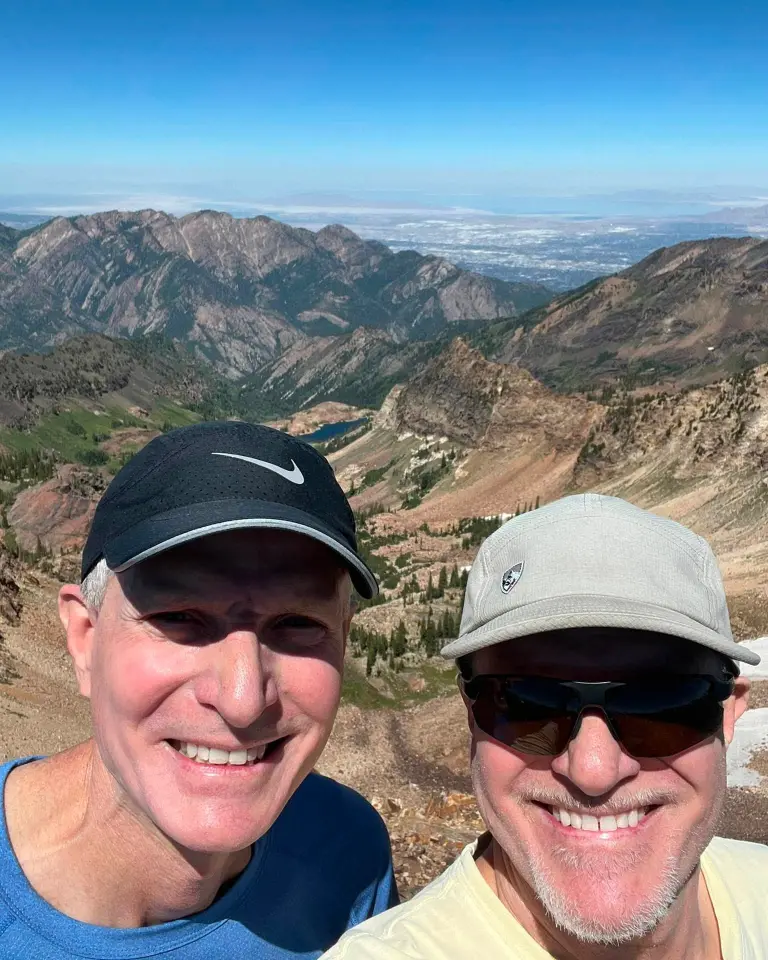
About an hour later, conditions deteriorated further. Mark reached the peak first and began descending as the storm closed in. Craig continued pushing toward the top. Moments later, Mark looked back and saw his brother collapse about 20 feet away. He immediately suspected a lightning strike.
In a state of shock and urgency, Mark scrambled downhill toward the Snowbird tram area until he could get cellphone service. Shortly after noon, he called 911.
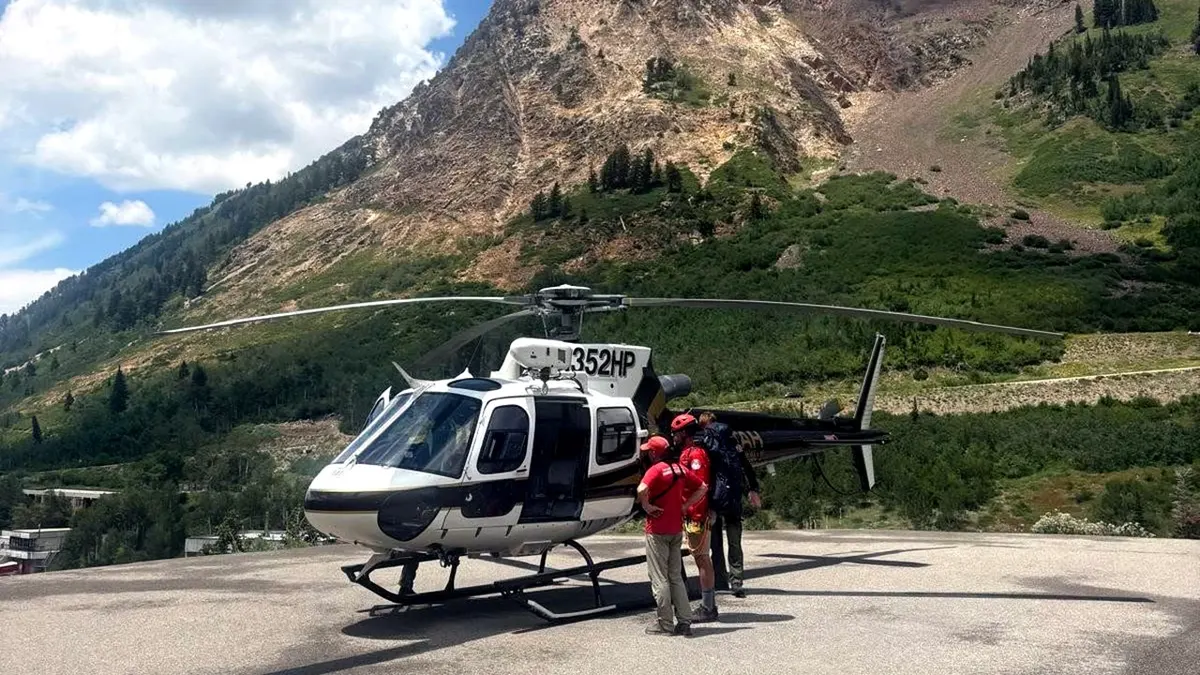
A Utah Department of Public Safety helicopter quickly located Craig’s position near the summit, but the ongoing storm forced rescuers to wait until conditions improved before they could safely approach. When they reached him, Craig Nelson was pronounced dead at the scene. Snowbird Ski Patrol later helped guide Mark safely down the mountain.
Salt Lake County Sheriff Rosie Rivera addressed the media on Monday, describing the incident and issuing a strong warning about the region’s notoriously unpredictable mountain weather.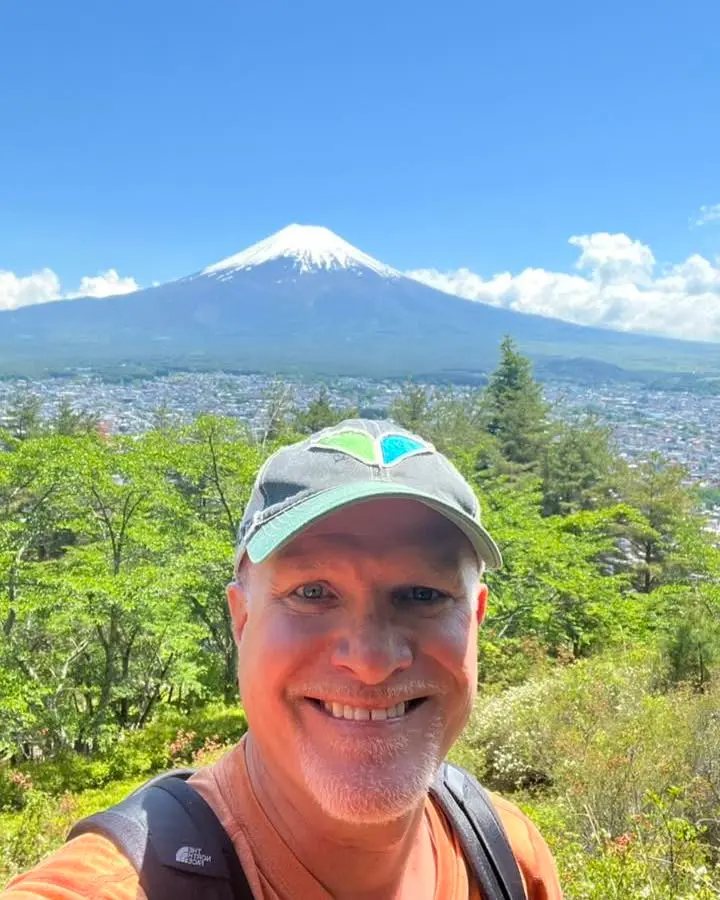
“As we know in Utah, the weather changes very frequently,” Rivera said. She urged hikers to carefully check forecasts, leave exposed ridgelines and summits at the first sign of approaching storms, move to lower ground, avoid isolated trees and bodies of water, and — if no shelter is available — crouch low with feet together to minimize risk.
The investigation remains open pending the medical examiner’s official findings.
The story of Craig and Mark Nelson is a heartbreaking reminder of how quickly the mountains can turn. Two brothers who shared a love of the high country, who had stood on that same summit before, found themselves separated by only a few dozen feet — and by the sudden, silent power of a lightning strike.
For those who hike Utah’s peaks, the message from authorities is clear: no summit is worth the risk when the sky begins to change. The mountains will still be there tomorrow. Not every hiker will.
Our thoughts are with Mark Nelson and the rest of Craig’s family during this unimaginable loss.