The Door That Changed Everything: After 106 Days on a Death March, One Woman Found Love, Hope, and a Reason to Live Again
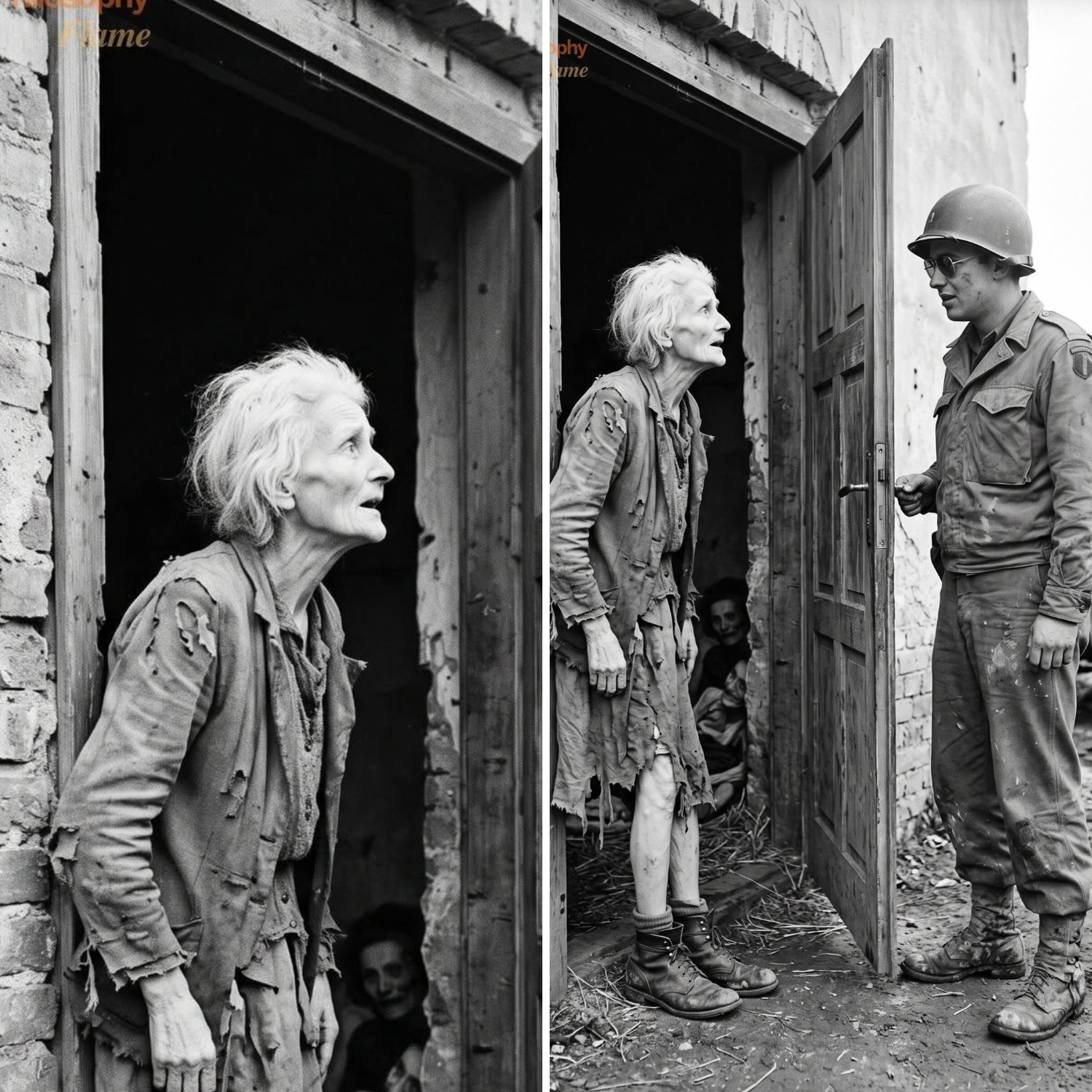
Some doors lead to another room.
Others change an entire life.
For **Gerda Weissmann Klein**, walking through the doorway of an abandoned bicycle factory in May 1945 wasn’t simply the end of World War II—it was the moment she stepped out of unimaginable darkness and into a future she never believed she would have.
After years of starvation, forced labor, and a brutal 106-day death march, Gerda was barely alive. Yet what happened next would become one of history’s most remarkable stories of survival, compassion, and second chances.
## A Childhood Stolen by War
Before the Holocaust, Gerda was just an ordinary teenage girl growing up in Poland. She dreamed about the future, loved spending time with her family, and never imagined how quickly everything could disappear.
When Nazi Germany invaded, her world collapsed.
At only 15 years old, Gerda was separated from her parents and her older brother. It was the last time s
he would ever see them. Like millions of other Jewish families, they became victims of the Holocaust.
Gerda was sent through a series of labor camps where every day became a battle against hunger, freezing temperatures, disease, and fear. Survival wasn’t guaranteed—it was earned one painful day at a time.
## The 106-Day Walk Through Hell
In early 1945, as Allied forces closed in, the Nazis began evacuating concentration camps. Thousands of prisoners were forced onto what history now remembers as the **Death Marches**.
Nearly **4,000 Jewish women** were ordered to march more than **350 miles (560 kilometers)** through snow and bitter cold with almost no food or water.
Anyone who couldn’t keep up was shot where they fell.
Gerda watched friends collapse beside her. Every sunrise meant another impossible day. Every mile claimed more lives.
After **106 days**, only about **120 women remained alive**.
Gerda weighed just **68 pounds (31 kilograms)**. Years of starvation and trauma had turned her dark hair almost completely white. She hadn’t bathed in three years.
Yet somehow…
She was still alive.
## Four Words That Changed Everything
On **May 7, 1945**, the surviving women arrived at an abandoned bicycle factory in Volary, in what is now the Czech Republic.
Soon afterward, American troops entered the area.
Among them was a young U.S. Army lieutenant named **Kurt Klein**.
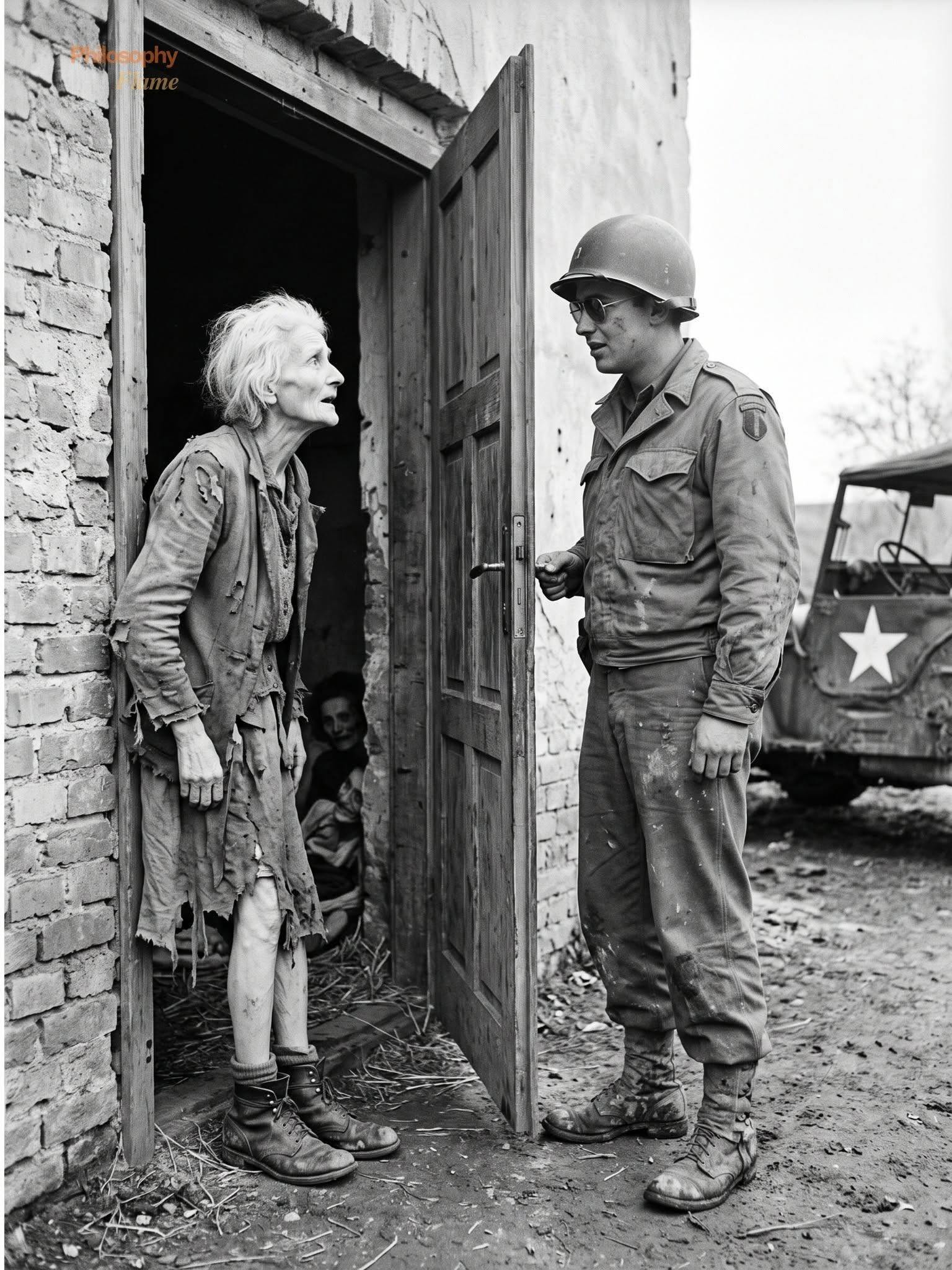
Weak and uncertain, Gerda looked at him and quietly whispered in broken English:
> “We are Jewish… you know.”
Kurt smiled gently and replied with four unforgettable words:
> **”So am I.”**
At that moment, Gerda didn’t just meet one of her liberators.
She met someone who reminded her that kindness still existed—that humanity had survived alongside her.
## The Smallest Gesture Meant the Most
As Kurt opened a door and politely stepped aside, inviting Gerda to enter first, he performed what most people would consider an ordinary act of courtesy.
To Gerda, it was extraordinary.
For years she had been treated as though her life had no value—as though she wasn’t even human.
That simple gesture restored something the Nazis had tried to destroy forever:
**Her dignity.**
Sometimes the smallest acts of kindness become the most unforgettable.
## From Survival to Love
As Gerda slowly regained her strength, she and Kurt stayed in touch through letters.
Their friendship blossomed into love.
Just over a year after liberation, they married in Paris before beginning a new life together in Buffalo, New York.
Against every imaginable obstacle, two people whose lives had been shaped by war built a future filled with hope instead of hatred.
## Turning Pain Into Purpose
Rather than allowing tragedy to define her, Gerda chose to educate future generations.
In 1957, she published her memoir, **All But My Life**, which became one of the most powerful firsthand accounts of the Holocaust ever written.
For decades afterward, she traveled throughout the United States speaking to students, educators, and communities about tolerance, resilience, and the importance of protecting human dignity.
Her story reached millions more through the Academy Award-winning documentary **One Survivor Remembers**.
In 2010, Gerda received the **Presidential Medal of Freedom**, America’s highest civilian honor, recognizing not only her extraordinary courage but also her lifelong commitment to teaching compassion over hatred.
## The Door We Should Never Forget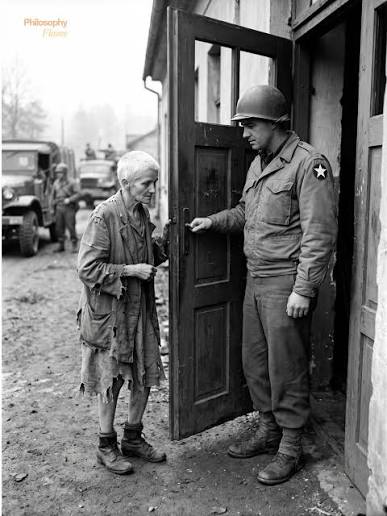
Many Holocaust survivors lived through horrors that are difficult to comprehend.
But Gerda Weissmann Klein’s story reminds us that survival is only part of the journey.
The greater triumph was that she refused to let hatred shape the rest of her life.
A single door held open by a compassionate stranger became the beginning of everything she thought she had lost forever—love, dignity, family, and hope.
Her life stands as proof that even after humanity’s darkest moments, kindness still has the power to rebuild what hatred tried to destroy.
Because sometimes, the moment that changes your life forever isn’t marked by a grand miracle.
It’s simply a door… held open by someone who chooses compassion.