Mystery Deepens in Death of Mississippi Teen Nolan Wells: Heavy Drinking, Decision to Stay on Remote Island with Unknown Woman, and Autopsy That Cannot Rule Out Foul Play
Mystery Deepens in Death of Mississippi Teen Nolan Wells: Heavy Drinking, Decision to Stay on Remote Island with Unknown Woman, and Autopsy That Cannot Rule Out Foul Play
Horn Island sits roughly ten miles off the Mississippi Gulf Coast, a long, undeveloped barrier island within the Gulf Islands National Seashore. There are no facilities, no drinking water, no reliable cell service, and no permanent shelters — only sand, dunes, and the constant, dangerous presence of powerful rip currents that locals sometimes describe as a “deadly washing machine.” On the Fourth of July weekend of 2026, the island became the setting for a tragedy that continues to leave a family searching for answers.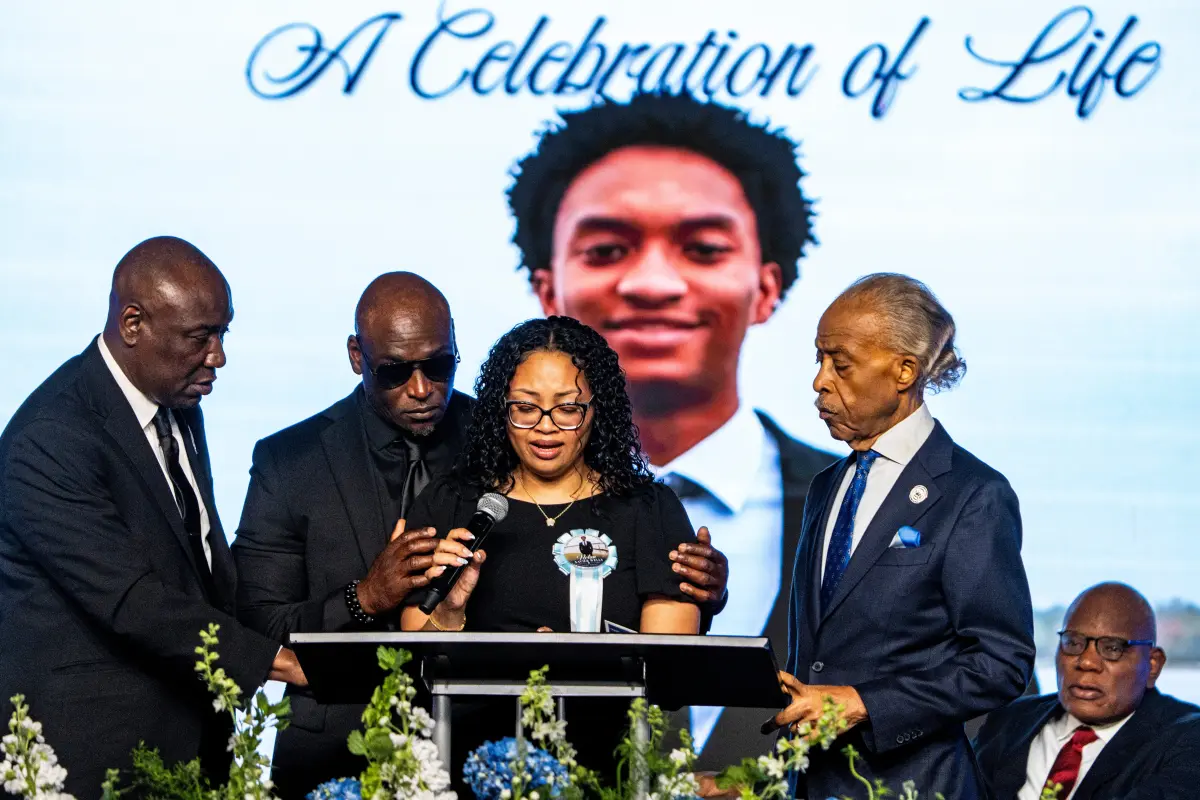
Eighteen-year-old Nolan Xavier Wells, a popular student-athlete from Ocean Springs who was preparing to return to Southwest Mississippi Community College for football, left his parents’ home on the evening of July 3 after cooking them salmon. His mother, Christine Wonsley, later recalled a simple goodbye: a hug, a kiss, and then he was gone. He spent the night with friends and the next day joined a group for a holiday boat trip to Horn Island.
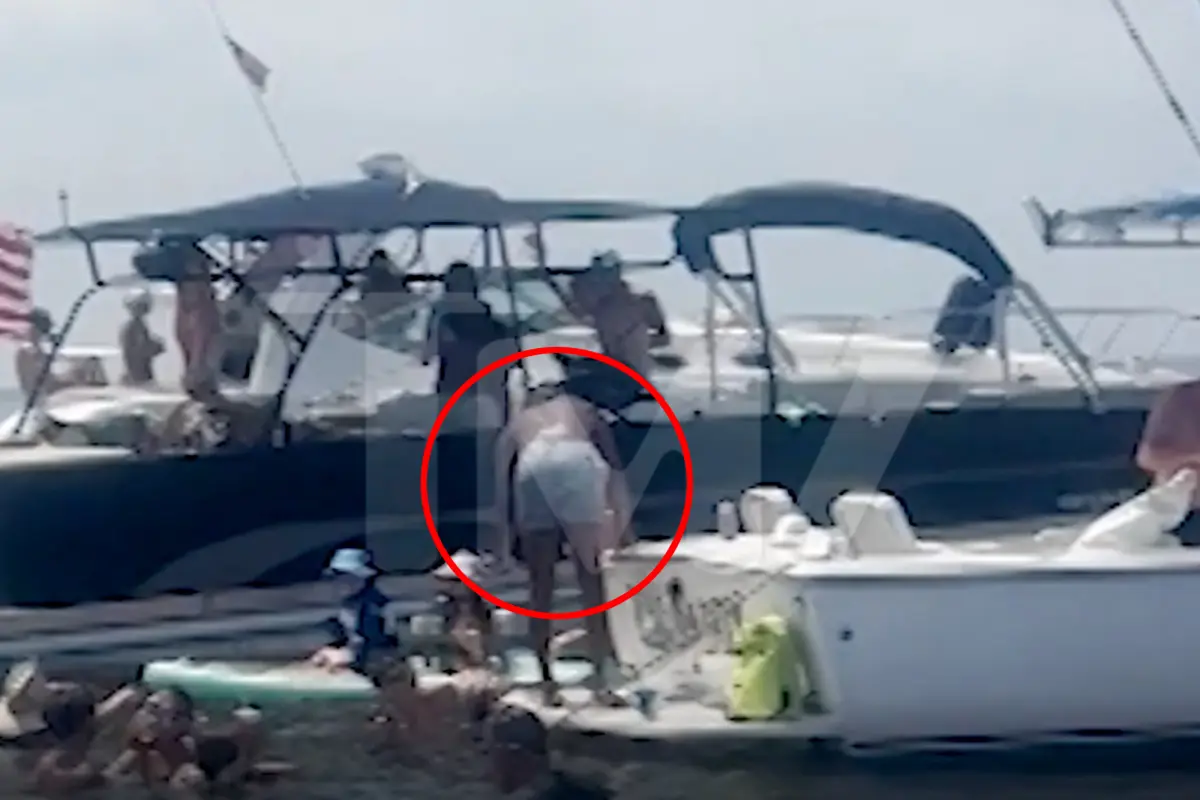
According to a Mississippi Department of Marine Resources police report, Wells had been drinking heavily with his companions even though he was underage. Around 3 p.m. on July 4 he was last seen on the northwest tip of the island. Shortly afterward, the friends’ boat began taking on water. The group decided they needed to return to the mainland. They told investigators that Wells “chose to remain at the island” and was “in the company of an unknown female.” The friends maintained they did not abandon him; they believed he would catch a ride back later with another party.
That night the worry set in. A friend eventually contacted authorities, and Wells’ mother reported him missing. A multi-agency search involving the Jackson County Sheriff’s Office, National Park Service rangers, the Mississippi Department of Marine Resources, and volunteer groups followed. On July 6 a National Park Service ranger discovered Wells’ body in an area known for strong rip currents. He was wearing only blue swim shorts.
Investigators have said they currently suspect drowning and do not believe foul play was involved. The official cause and exact date of death, however, remain undetermined while the state autopsy and toxicology results are still pending — a process officials warned could take weeks.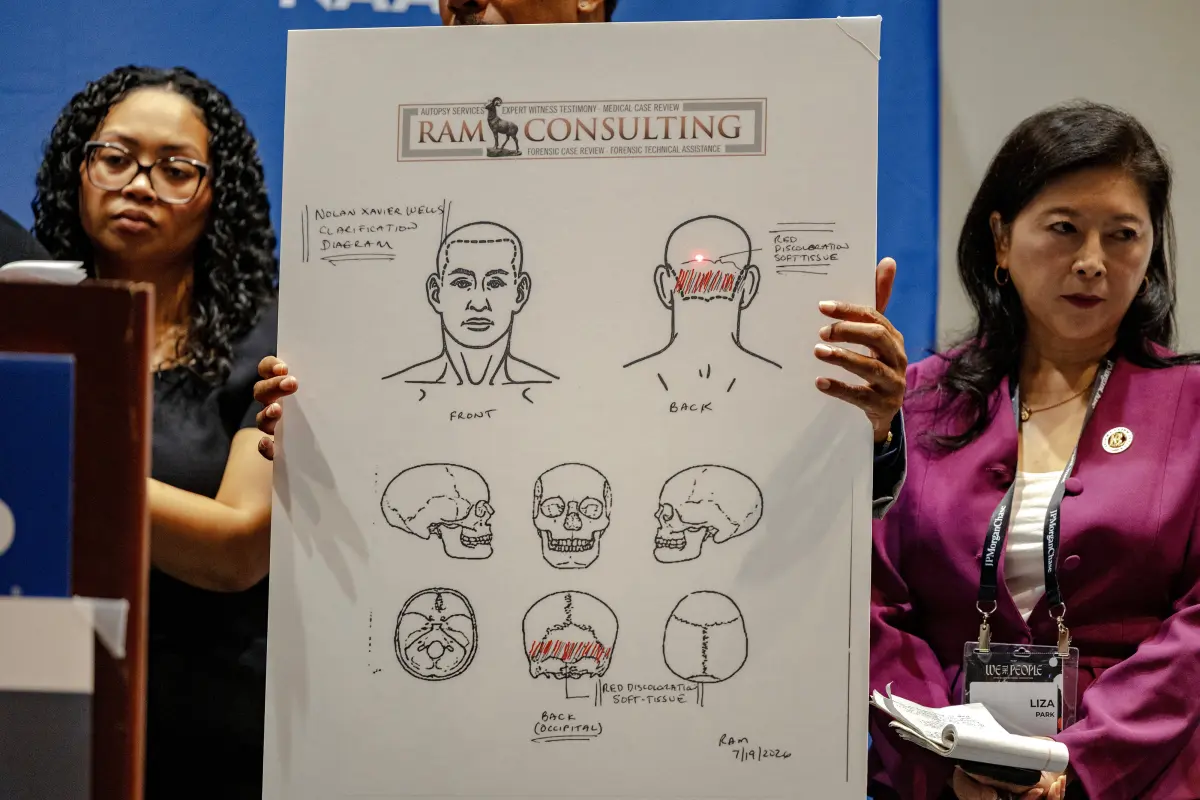
Unsatisfied with the gaps in the early narrative, the family retained civil rights attorney Ben Crump and arranged an independent autopsy. The examination was performed by Dr. Roger A. Mitchell, chair of pathology at Howard University College of Medicine and president of the National Medical Association. According to reports, the work was supported in part by former NFL quarterback Colin Kaepernick.
Mitchell’s findings, released in late July, listed both the cause and manner of death as “undetermined – pending investigation.” He documented a focal area of red discoloration measuring roughly 12 by 8 inches in the soft tissue at the back of Wells’ head. Critically, the state medical examiner had retained the internal structures of the neck — including the trachea, laryngeal cartilage, thyroid (hyoid) bone — so the independent pathologist never received them and therefore could not rule out the possibility of a neck injury. Mitchell also could not examine the stomach contents or gastric gases, nor assess the precise condition of the body as it was recovered from the water. He could not determine whether Wells was conscious when he entered the water or whether any intervening force was involved.
“This pathologist cannot rule out if any intervening non-accidental factors caused or led to the death of Nolan Wells. So he cannot rule out foul play,” Crump said while presenting the report.
Wells’ parents have spoken of their bafflement and grief. “We always told him, if you go with a group, you stay with a group,” his father, Elmore Wonsley, said. His mother added that she simply could not understand why her son would choose to remain on the island while the others left.
Horn Island’s isolation and the known hazards of its waters make the circumstances especially painful. The official investigation continues, the state autopsy results are still awaited, and the independent examination has left critical questions open. For the family of a young man who left home with a hug and a kiss, the search for a full and clear explanation of what happened on that remote stretch of sand remains unfinished.