Powerful Japan Earthquake and Explosion Tear Through AEON Mall Kumamoto
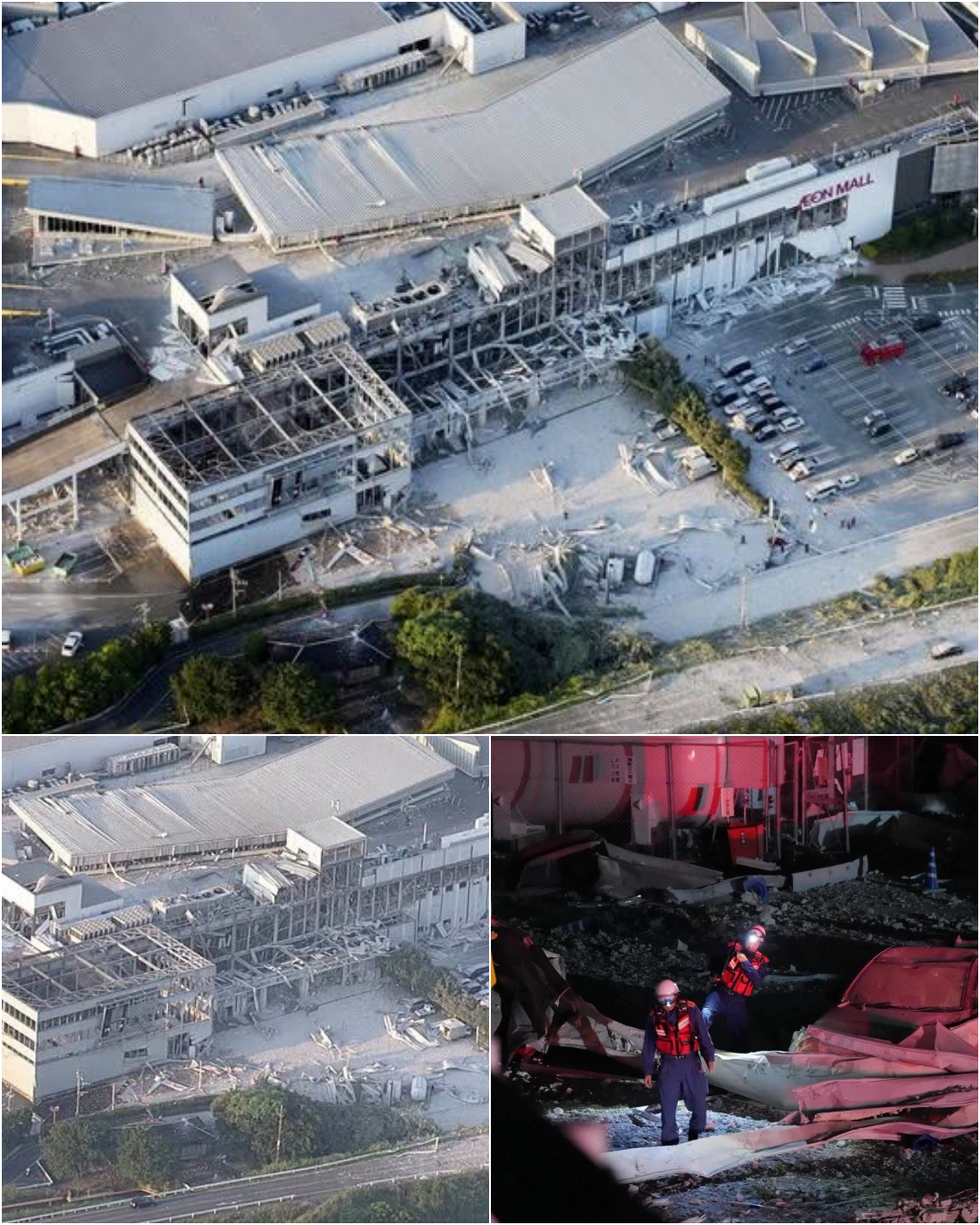
A powerful earthquake in southern Japan was followed by a major explosion at AEON Mall Kumamoto, destroying part of the shopping center and triggering an overnight rescue operation.
A strong earthquake struck Kumamoto Prefecture on Japan’s southwestern island of Kyushu at approximately 4:27 p.m. local time on July 28, 2026. The Japan Meteorological Agency measured the earthquake at magnitude 7.1 and said its epicenter was in the Kumamoto region at a depth of around 10 kilometers.
The earthquake reached the highest level of 7 on Japan’s seismic intensity scale in some locations. Some international measurements later placed the magnitude at 6.8, but Japanese authorities continued to report the domestic measurement of 7.1.
One of the most severely affected locations was AEON Mall Kumamoto in Kashima, about 20 kilometers south of Kumamoto City. Customers and employees were reportedly instructed to evacuate shortly after the initial earthquake.
A powerful explosion later tore through one side of the shopping center. Video footage showed walls missing, steel beams exposed and debris scattered across a neighboring parking area. The shopping complex contains approximately 200 stores and is among the largest commercial centers in the prefecture.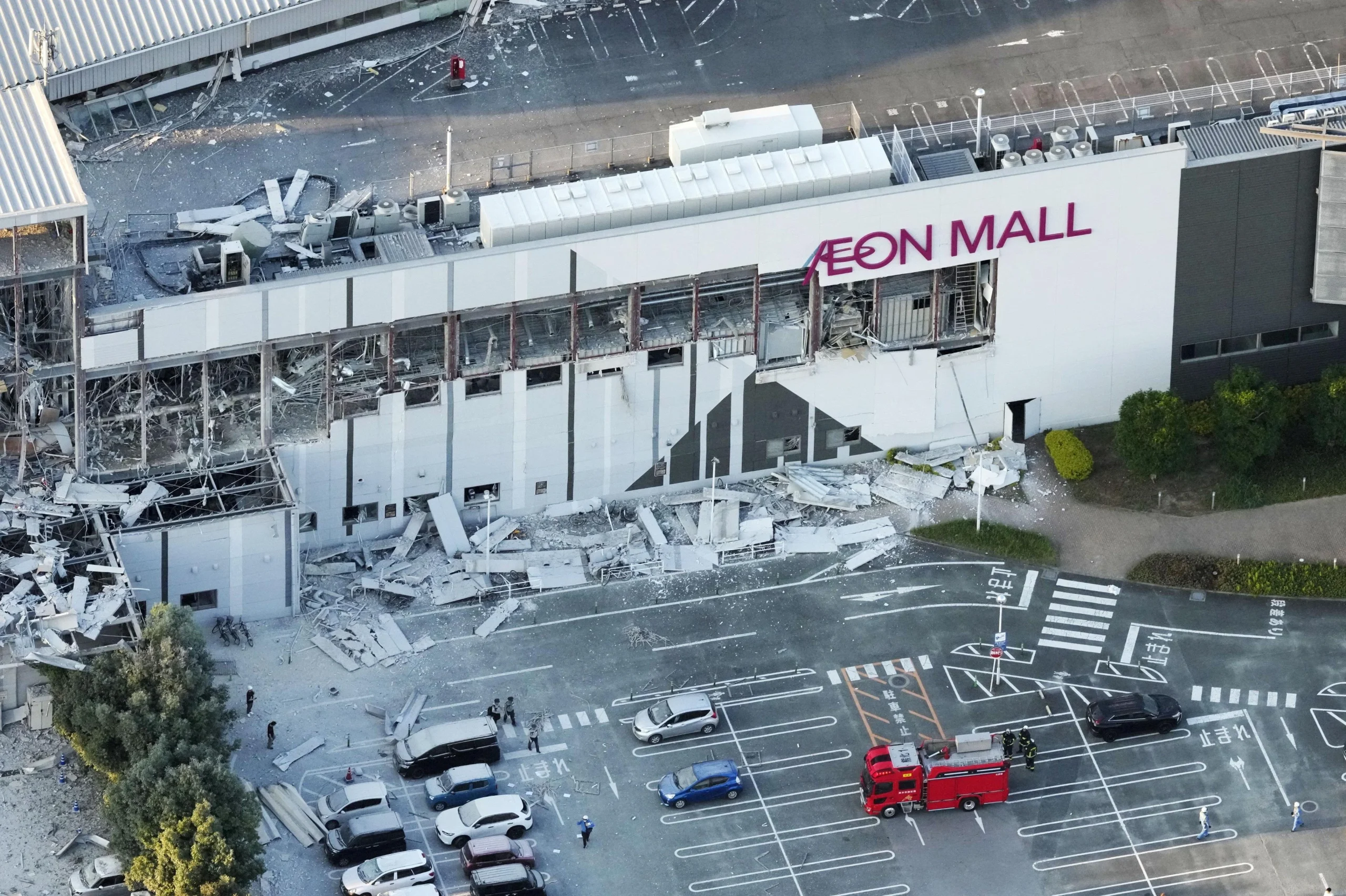
Rescue teams worked through the night, concentrating on sections of the building where calls for assistance had been received. Firefighters, police officers and members of Japan’s Self-Defense Forces participated in the operation.
By early July 29, rescuers had removed eight people from the damaged mall. Two women in their twenties were confirmed to have lost their lives. Another person was found in cardiopulmonary arrest, while five others were injured but were not believed to be in life-threatening condition.
The exact cause of the explosion remains under investigation. Local reports indicated that authorities were examining whether damaged gas equipment or a gas leak may have contributed to the blast. AEON representatives said the cause had not yet been confirmed.
Therefore, reports stating that a gas explosion has been officially established should be treated with caution. At this stage, it remains an investigative possibility rather than a final conclusion.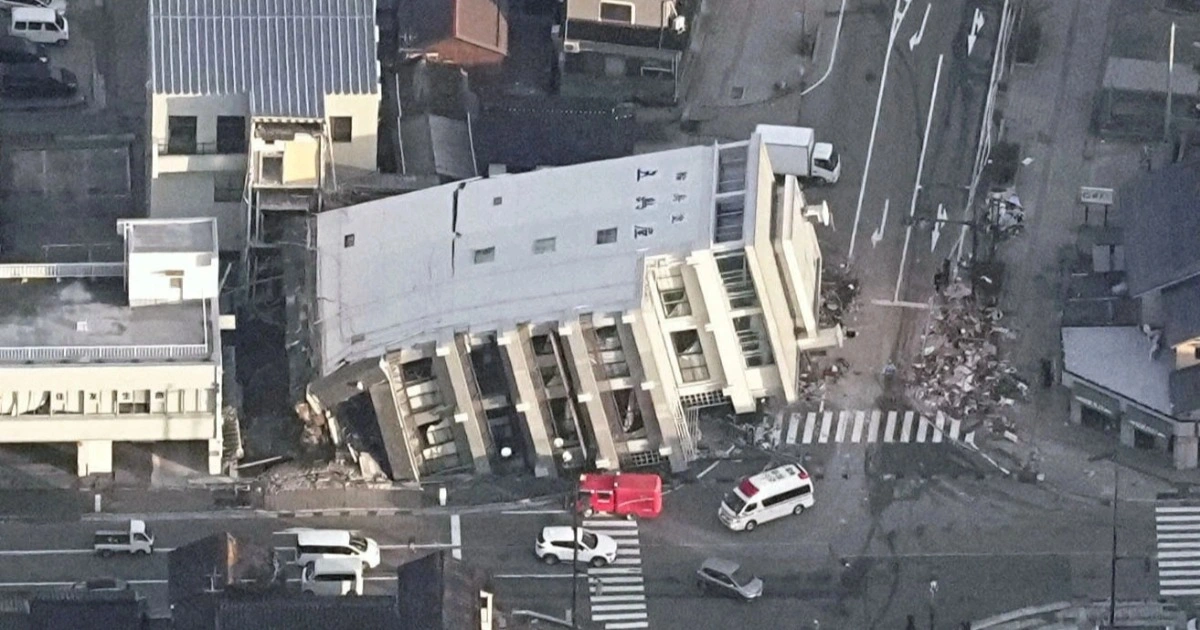
The destruction at the mall was part of a wider emergency across Kumamoto Prefecture. Buildings partially collapsed, fires were reported and major roads developed deep cracks. One person was also reported to have lost their life in a separate building collapse.
Hospitals received dozens of injured residents, including people affected by falling objects, broken materials and damaged structures. Some medical facilities experienced water leaks and electrical problems while continuing to treat patients.
Approximately 300,000 people were instructed to move to evacuation centers. Around 48,000 homes lost electricity, while high-speed train services and flights were suspended or disrupted.
Japanese officials warned residents that strong aftershocks could continue for about a week. People were advised to avoid unstable buildings, damaged roads, coastal areas and slopes that could be vulnerable to landslides.
The earthquake brought back painful memories of the 2016 Kumamoto earthquakes, which caused extensive destruction across the same region. AEON Mall Kumamoto was also forced to close temporarily after that disaster before eventually reopening.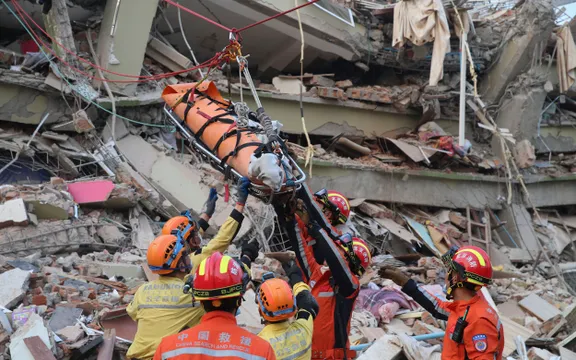
The latest incident has once again placed the shopping center at the center of a major emergency. Rescue work and structural inspections are continuing, while authorities attempt to determine how many people may still be unaccounted for and what caused the explosion.