Navigating Complex Pediatric Care: How Helmets, Feeding Tubes, and Early Therapy Support A Child’s Growth Journey
Navigating Complex Pediatric Care: How Helmets, Feeding Tubes, and Early Therapy Support A Child’s Growth Journey
Every child follows a unique path when it comes to physical development and growth. For infants and young children facing specific health challenges or developmental delays, specialized medical tools often become essential components of their daily care routine. Medical interventions such as cranial remolding helmets, enterostomy feeding tubes, and continuous physical or occupational therapy are designed to provide critical support during key developmental windows. With appropriate treatment plans, consistent monitoring, and collaborative care between families and healthcare professionals, children with complex medical conditions can achieve meaningful milestones and build a foundation for long-term health.
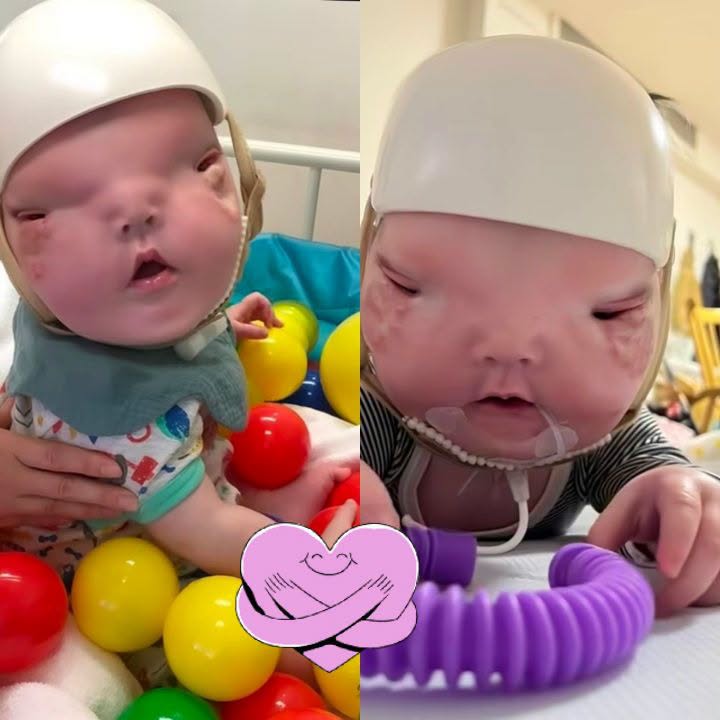
Cranial remolding helmets are non-invasive devices used primarily to treat positional plagiocephaly or to assist in post-surgical head shaping following craniosynostosis repair. By applying gentle, directive pressure over time, these orthotic devices guide the natural growth of an infant’s skull toward a symmetrical shape during periods of rapid brain growth. Similarly, enteral feeding tubes—such as nasogastric or gastrostomy tubes—ensure that children who experience difficulty swallowing, severe reflux, or metabolic challenges receive optimal hydration and essential nutritional intake necessary for cellular development and weight gain.
Alongside structural and nutritional equipment, targeted pediatric therapy plays an indispensable role. Physical, occupational, and speech therapies help children develop motor skills, improve muscle tone, enhance sensory integration, and foster communication abilities tailored to their specific baseline. Rather than representing limitations, these medical interventions function as protective frameworks that allow a child’s body to heal, adapt, and progress at a safe, sustainable pace.
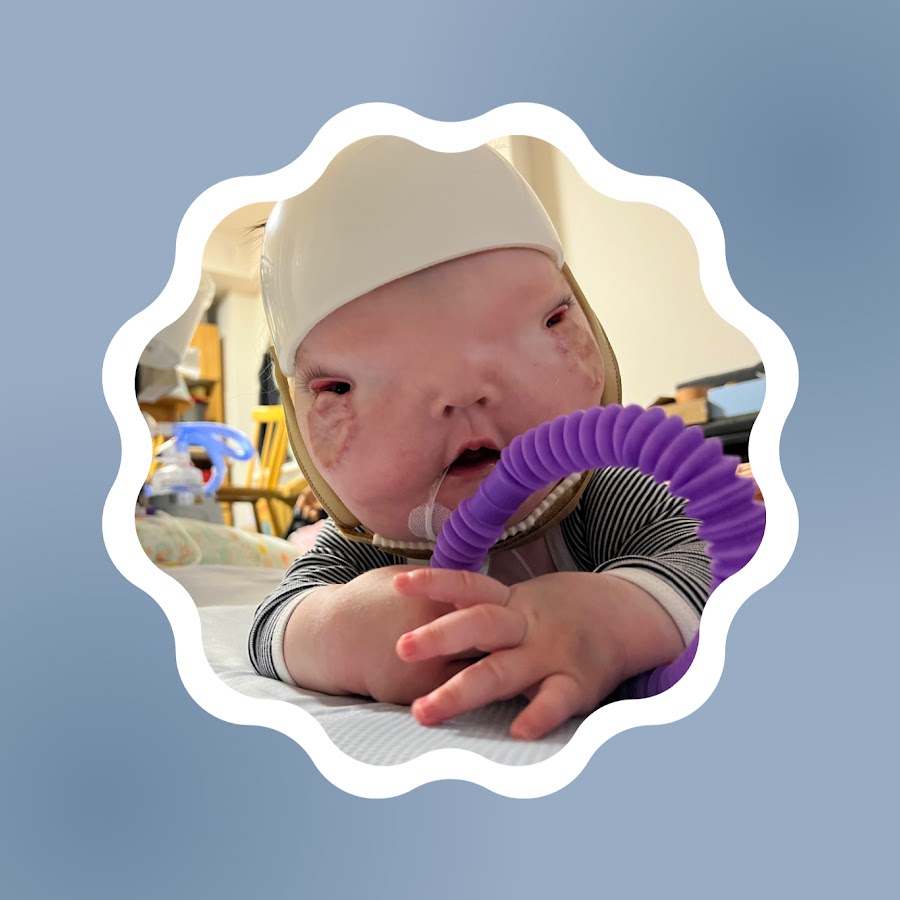
The success of these therapies relies heavily on early detection, specialized clinical oversight, and strong family support systems. Equipping parents and caregivers with training, emotional guidance, and direct access to pediatric subspecialists ensures that home-care routines remain safe and effective. Expanding global access to comprehensive pediatric healthcare, specialized medical equipment, and rehabilitation services remains vital, ensuring that every child receives the tailored resources necessary to reach their fullest potential.