She Walked Away From Wealth to Fight for the Voiceless: The Defiant Life of Nancy Cunard
- PhamThuy
- July 29, 2026
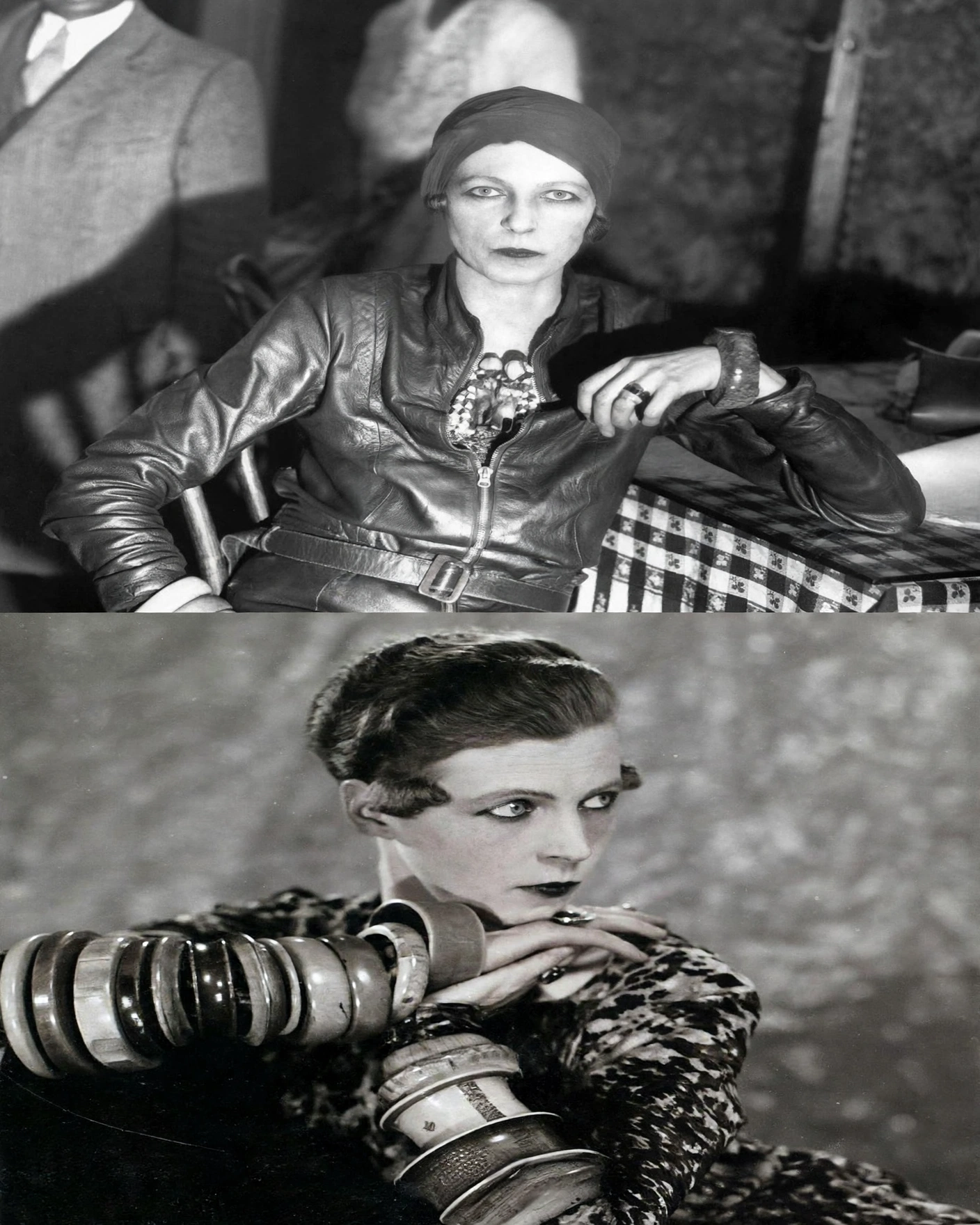
The world she was born into promised comfort, influence, and a life untouched by hardship.
But Nancy Cunard chose something entirely different.
She walked away from it.
Born into a wealthy British family, Nancy Cunard was surrounded by privilege from the very beginning. Her name carried weight, her future seemed secure, and the expectations placed upon her were clear: maintain the family’s status, move within elite circles, and live the life that had already been mapped out.
For many, that path would have been enough.
For Cunard, it was not.
Even in her early years, there was a sense that she did not belong to the world she had inherited. The refinement, the social rules, the quiet distance from real struggle—it all felt limiting. She was drawn instead to art, to literature, and to people whose lives were far removed from the polished environments she had known.
Her journey began with a quiet shift.
She moved to Paris, immersing herself in a creative and intellectual community that was alive with new ideas. Writers, artists, and thinkers gathered there, challenging tradition and exploring identity, culture, and politics in ways that felt urgent and real.
For Cunard, it was freedom.
But it was also only the beginning.
As she moved deeper into this world, her awareness of injustice grew sharper. She became increasingly focused on issues that others in her social class often ignored—racial inequality, colonialism, and the systemic silencing of marginalized voices.
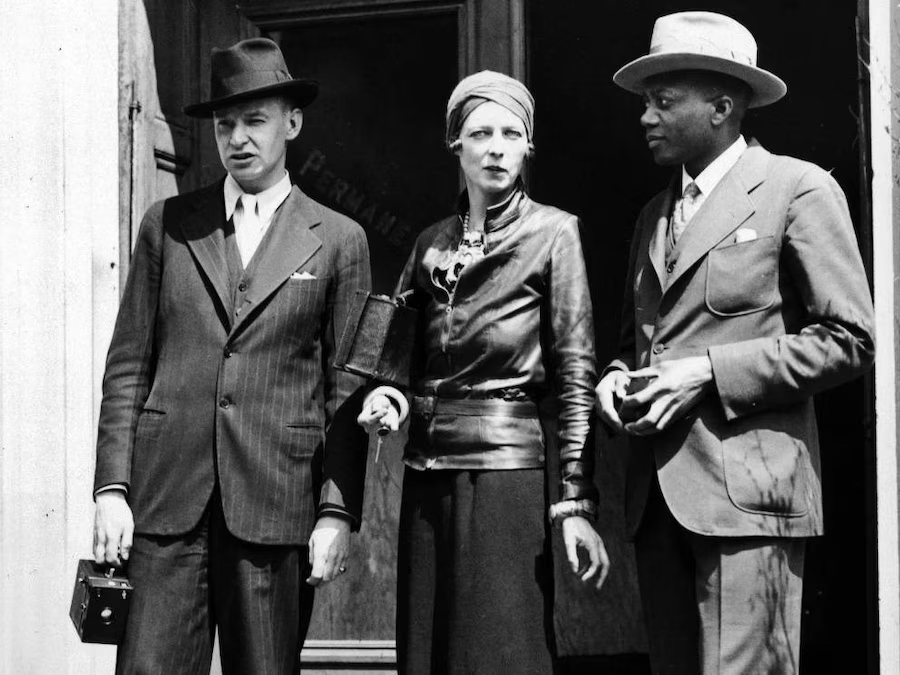
This awareness soon turned into action.
Cunard became involved in political and cultural movements that placed her firmly at odds with her upbringing. She used her resources not to preserve privilege, but to challenge it. Her writing began to reflect these convictions, giving voice to those who had long been excluded from mainstream narratives.
One of the most defining chapters of her life came through her relationship with an African American musician.
At a time when interracial relationships were widely condemned—especially within elite European society—Cunard refused to hide or apologize. The backlash was immediate and severe. She faced criticism not only from the public, but from her own family.
The conflict reached a breaking point.
Rather than compromise, Cunard chose separation. She distanced herself from the world that had once defined her, fully embracing the path she had chosen.
It was not an easy decision.
Walking away from wealth meant more than losing comfort. It meant giving up security, influence, and the protections that came with her status. But for Cunard, the cost of staying silent was far greater.
She continued her work with increasing intensity.
Her most notable contribution came through a major literary and political project that sought to document and amplify Black voices from around the world. It was an ambitious undertaking, bringing together writers, historians, and thinkers to create something that challenged dominant narratives.
The result was powerful.
Through this work, Cunard helped bring attention to stories that had been overlooked or deliberately suppressed. She used her platform to confront racism directly, refusing to soften her message or make it more comfortable for those in power.
Her activism extended beyond writing.
She became involved in political causes, including efforts related to anti-fascism and humanitarian support during times of conflict. She was not content to observe from a distance—she engaged, often placing herself in difficult and uncertain situations.
But the path she chose came with consequences.
Over time, the life she had built became increasingly fragile. Financial stability faded, and the support systems she might have relied on were no longer there. Her dedication to her ideals did not always bring recognition or reward.
In fact, it often brought the opposite.
Isolation.
Struggle.
And a life far removed from the one she had been born into.
Yet even as circumstances became more challenging, Cunard did not abandon her beliefs. She remained committed to the causes she had embraced, continuing to write, speak, and advocate in whatever ways she could.
Her story is not one of simple triumph.
It is more complicated than that.
It is about conviction.
About the willingness to stand by a set of principles even when the cost is personal and lasting. It is about choosing a path that offers meaning over comfort, even when that path leads away from everything familiar.

In many ways, Cunard’s life reflects a broader question.
What do we do with the advantages we are given?
Do we protect them?
Or do we use them to challenge the systems that created them?
Cunard chose the latter.
She transformed her privilege into a tool for change, even as it meant losing the very life that privilege had provided. Her work helped shape conversations about race, identity, and justice at a time when those conversations were often avoided.
And though her later years were marked by hardship, the impact of what she did remained.
Today, her story stands as a reminder that influence is not defined by what we keep, but by what we are willing to give up.
Nancy Cunard could have lived a life of comfort and quiet acceptance.
Instead, she chose to fight.
For love.
For justice.
And for voices the world had long refused to hear.