Medical Marvel in Mexico: Rare Conjoined Twins Born Sharing One Body and Major Internal Organs

Medical Marvel in Mexico: Rare Conjoined Twins Born Sharing One Body and Major Internal Organs
A baby welcomed into the world in Mexico recently left an entire medical staff in absolute amazement after arriving with two heads sharing a single body—an exceptionally rare and complex form of conjoined twins known medically as dicephalic parapagus. While each twin possesses their own distinct head and fully developed brain, initial medical assessments indicate that they share most of their major internal organs, including a single cardiovascular and respiratory framework designed to sustain both lives.
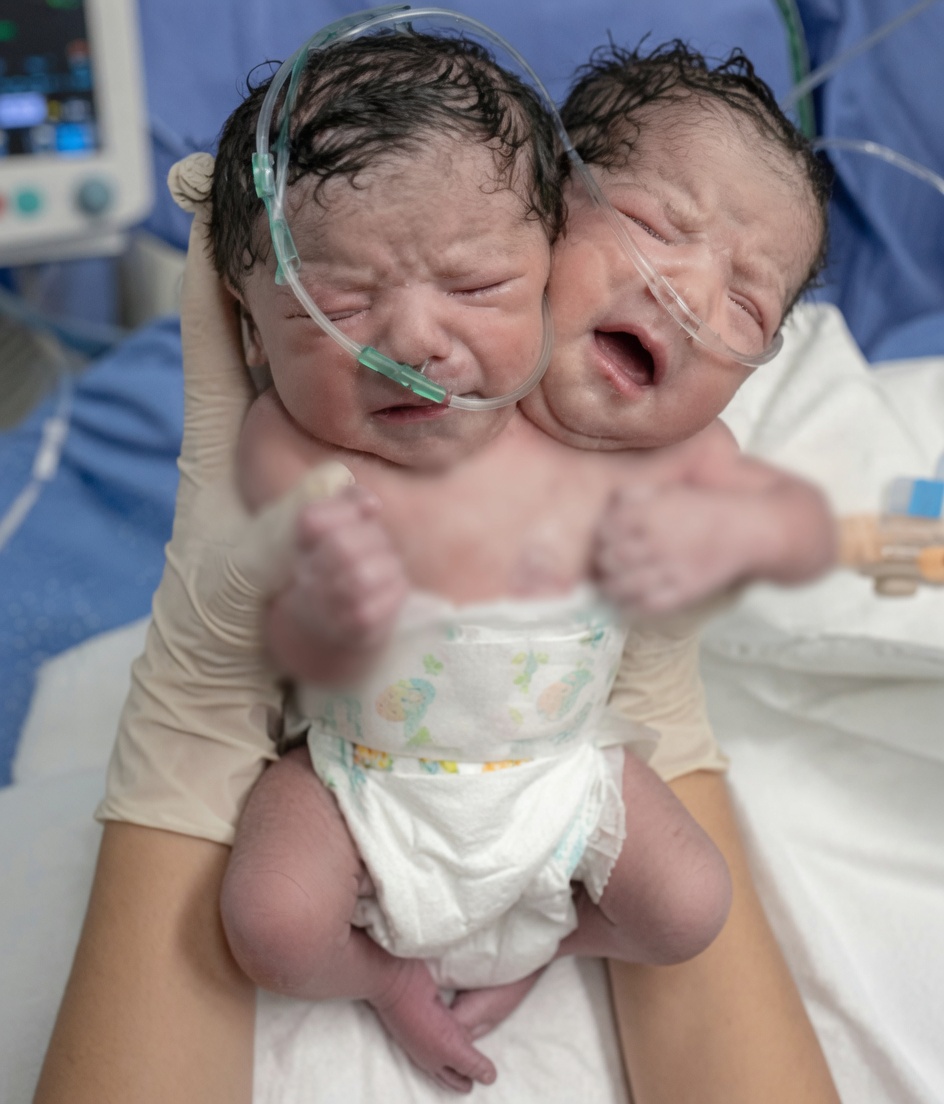
Hospital officials confirmed that the mother is currently in stable condition and recovering well following the delivery. Meanwhile, a specialized multidisciplinary team of pediatricians, surgeons, and neonatologists is carefully evaluating the newborns. Their primary objective is to gain a clear understanding of the shared internal anatomy to determine the safest and most viable medical path forward for the babies.
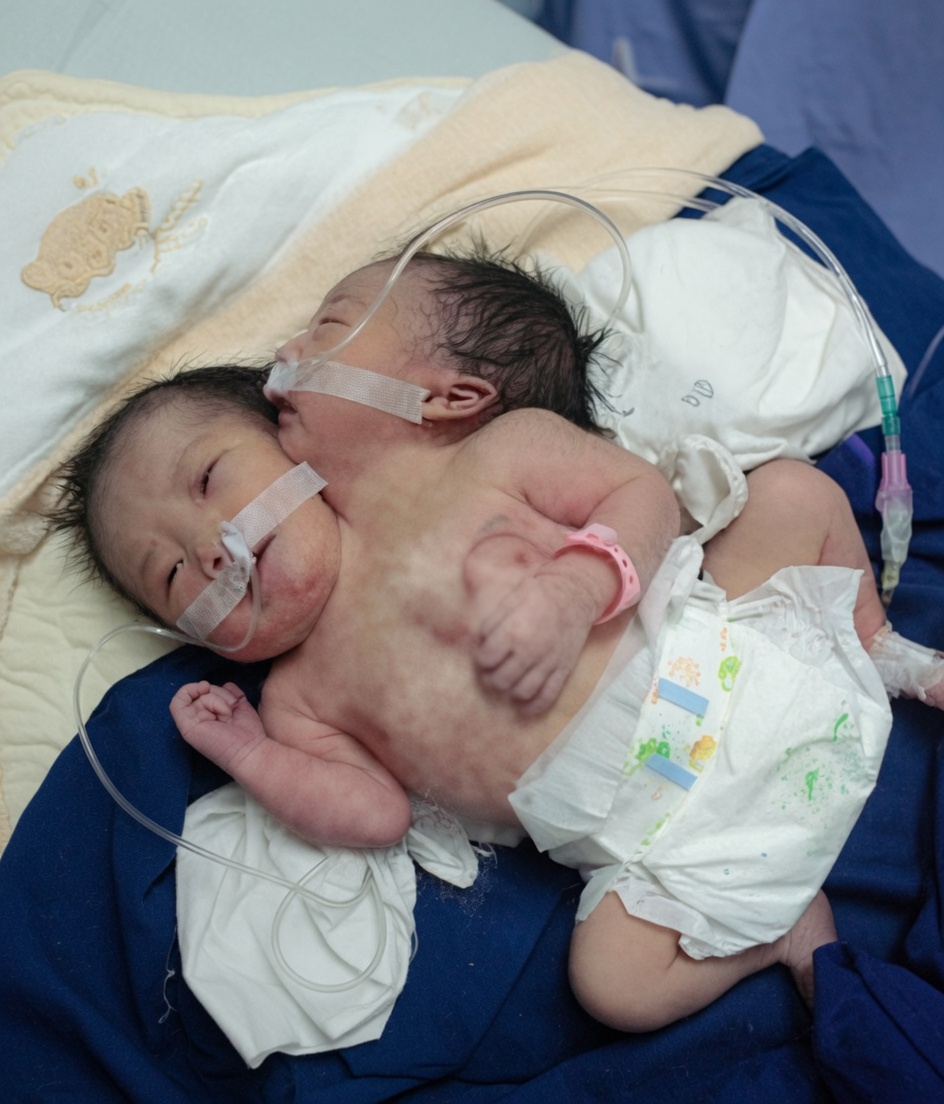
Extremely rare medical occurrences of this nature represent some of the most complex cases in obstetric and pediatric medicine. Conjoined twin births occur in only about 1 in 100,000 to 1 in 200,000 pregnancies globally, with dicephalic parapagus making up just a tiny fraction of those cases. Because a single set of vital organs must work twice as hard to support two growing bodies, these infants face severe physiological challenges from the moment they are born. Doctors continue to monitor the situation closely, hoping to stabilize the newborns as they navigate the extraordinary medical journey ahead.