Henry Winkler Reveals the Happy Days Guest Star Who Disrupted the Cast’s No-Ego Rule
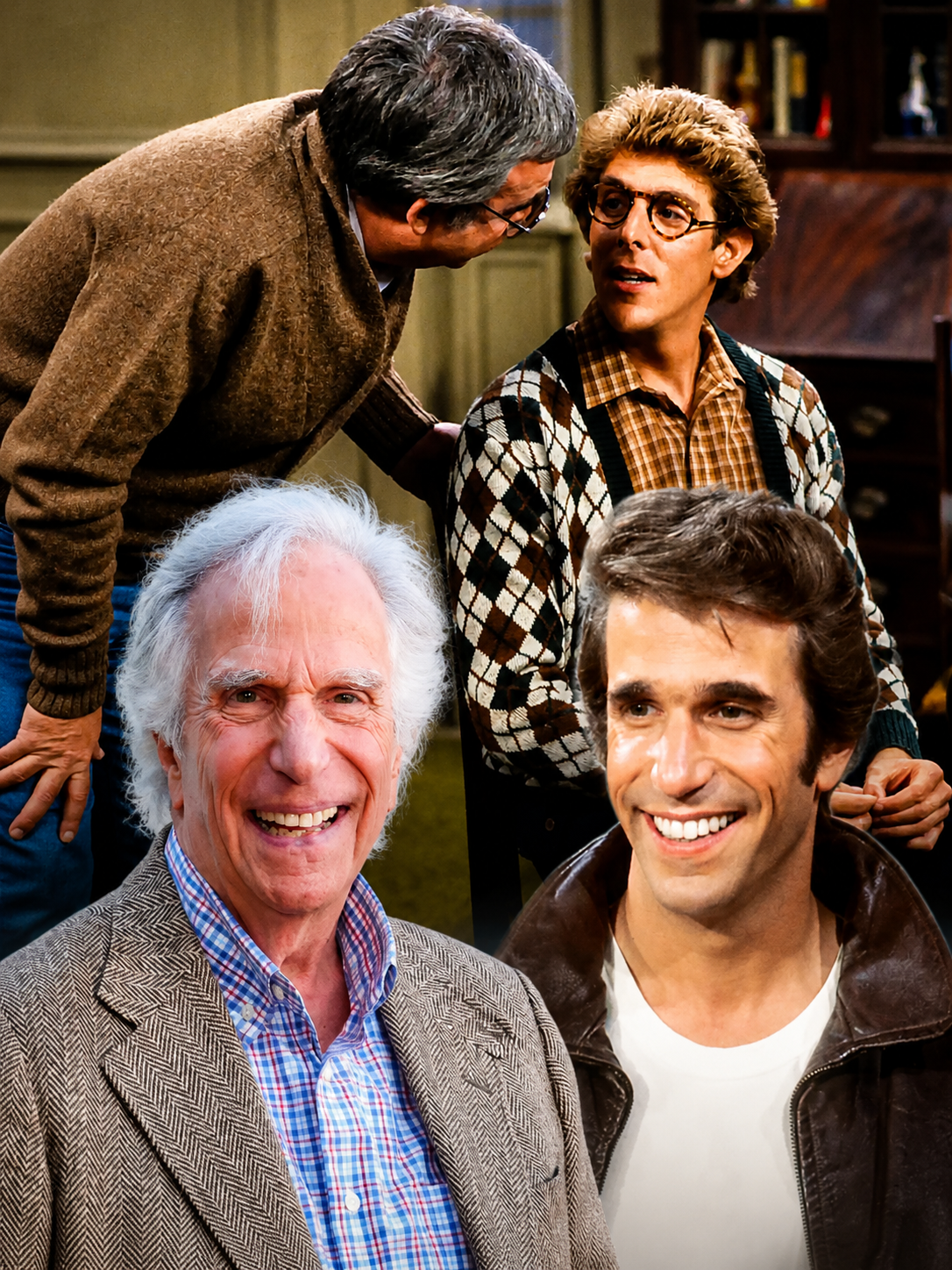
At the height of Happy Days, Henry Winkler was receiving an astonishing 50,000 fan letters every week. Yet inside the studio where the beloved sitcom was filmed, he said popularity was not supposed to determine anyone’s importance.
That unwritten rule was tested when a recurring guest actor began talking repeatedly about the attention he was receiving from viewers.
Winkler, now 80, recently recalled the uncomfortable behind-the-scenes experience while appearing at a fan convention in Tennessee with former castmates Anson Williams and Don Most. His story offered a revealing glimpse into the culture of a television set that produced some of the biggest stars of the 1970s and 1980s—but tried to keep celebrity status outside the workplace.
According to Winkler, nearly everyone involved in the series understood that they were part of an ensemble. No matter how recognizable one performer became, the cast approached the work as a group.
Then one guest star arrived and behaved differently.
A Guest Appearance That Became a Recurring Role
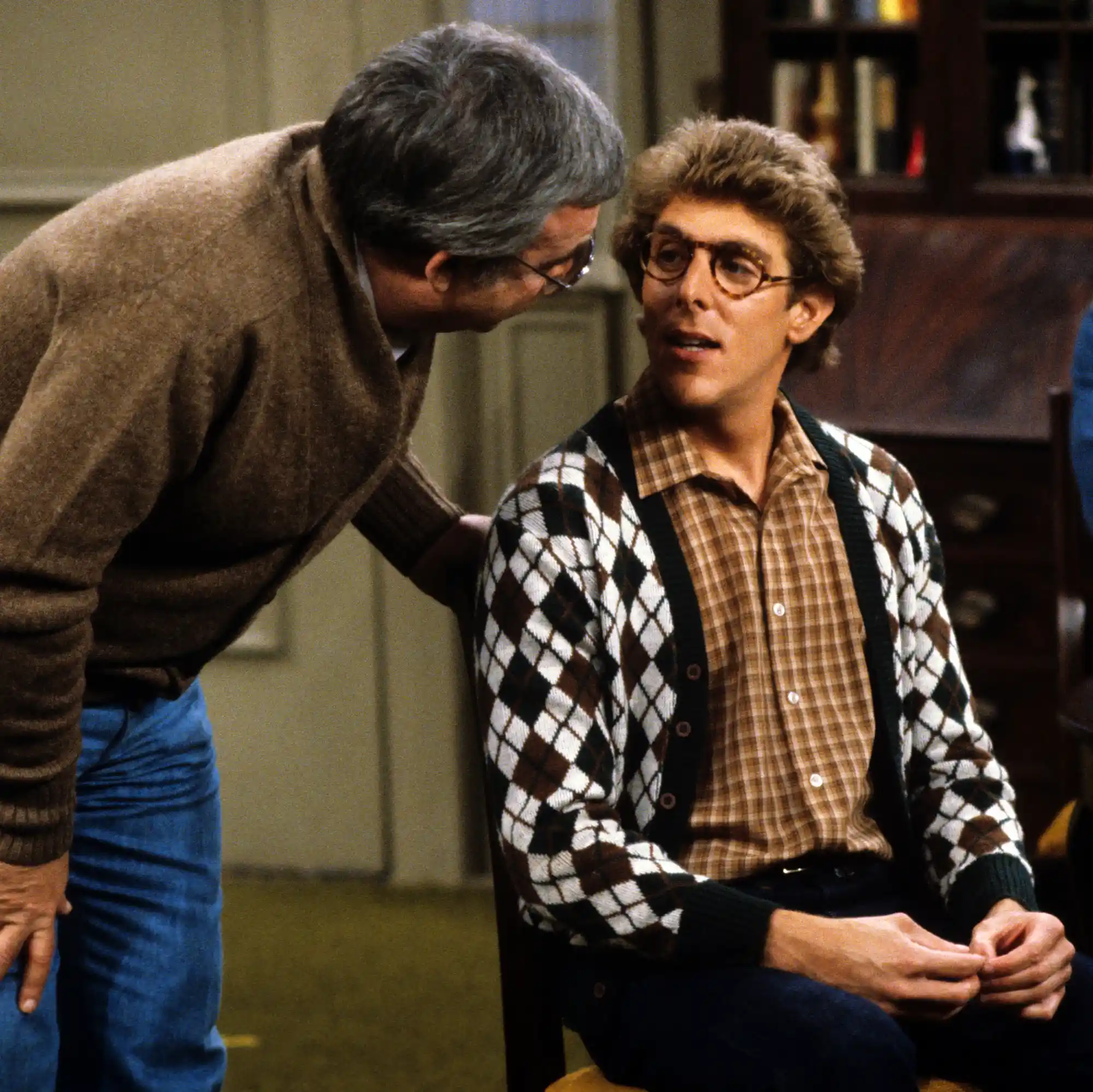
Winkler did not identify the performer by name during the fan event. He explained only that the actor initially appeared as a guest, returned several times and played a character named Eugene.
The reference pointed to Eugene Belvin, a student at Jefferson High School who appeared during the later years of Happy Days. Actor Denis Mandel portrayed the character in the show’s eighth and ninth seasons before eventually leaving the acting business.
As the guest performer returned to the set, Winkler noticed that he frequently discussed his fan mail.
Receiving letters from viewers was a visible sign that an actor had made an impression. On a hit series, it could also become a symbol of rising fame. But the repeated comments apparently did not fit the atmosphere Winkler and the regular cast had worked to create.
Eventually, Winkler responded by putting the numbers into perspective.
He told the actor that he himself was receiving approximately 50,000 letters every week. The point was not simply that Winkler attracted more attention. It was that, despite receiving an extraordinary volume of mail, he did not bring those statistics into daily conversations with his coworkers.
“We don’t talk about that on the set,” Winkler remembered telling him.
Everyone, he emphasized, was there together.
The message did not appear to change the guest star’s behavior. Winkler said the actor continued discussing the subject, leaving him with a deeply unfavorable impression.
The Unexpected Superstar of Happy Days
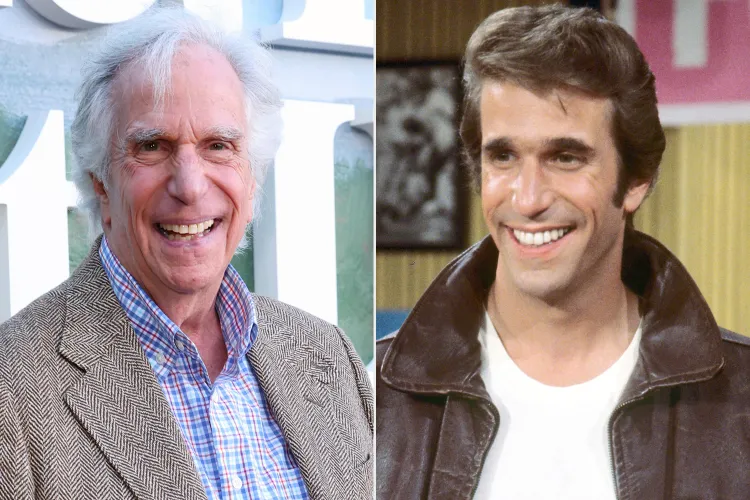
Winkler’s reaction carried particular weight because few television characters of that era became as famous as Arthur “Fonzie” Fonzarelli.
When Happy Days began in 1974, Fonzie was not initially positioned as the show’s central figure. The leather-jacketed motorcycle rider existed alongside Richie Cunningham, played by Ron Howard, and the Cunningham family at the heart of the series.
But audiences quickly responded to Winkler’s performance.
Fonzie’s confidence, humor and carefully guarded warmth transformed him into a cultural phenomenon. His gestures and expressions became instantly recognizable, while his image appeared across the growing world of television merchandise and fan culture.
Winkler remained with the sitcom until its conclusion in 1984, playing Fonzie throughout its 11-season run.
With that level of visibility came enormous attention. The reported 50,000 weekly letters represented more than admiration for a television character. They showed how deeply Fonzie had entered American popular culture.
Yet Winkler’s memory of the guest actor suggests he did not want that attention to create a hierarchy on set.
To him, fan mail belonged outside the work itself. Once the cameras were ready, everyone had a role to perform, and no pile of letters made one person more deserving of respect than another.
“There Was No Stardom”
Looking back, Winkler described the Happy Days set as a place where stardom generally did not interfere with the cast’s relationships.
That atmosphere mattered because the show became an enormous success. As its audience grew, several cast members became household names, and the pressure surrounding the production could easily have changed how they treated one another.
Instead, Winkler said the regular performers largely avoided acting like stars while working together.
His account of the Eugene actor stood out precisely because it was an exception.
The guest performer’s repeated focus on his own popularity violated what Winkler saw as one of the set’s most important values: everyone contributed to the same show.
The story was humorous in its delivery, especially when Winkler contrasted the actor’s boasting with his own mountain of weekly correspondence. Beneath the humor, however, was a serious belief about professionalism.
Success did not excuse self-importance.
A Very Different Bond With Ron Howard
Winkler’s warm relationship with Ron Howard provides a striking contrast to his memory of the guest actor.
Howard portrayed Richie Cunningham from 1974 until 1980. Although Fonzie’s explosive popularity could have created tension between the two performers, Howard has said they connected almost immediately.
He remembered admiring Winkler not only as a coworker but also as an actor with a different way of approaching the profession.
Winkler was several years older and had studied at Yale. Howard said his colleague brought a thoughtful, theater-influenced perspective to acting rather than behaving like a conventional Hollywood personality.
More importantly, the two men simply enjoyed working together.
Howard described their connection as both professional and personal. They understood one another’s approach, collaborated effectively and developed a friendship that endured long after their time in front of the Happy Days cameras.
Their bond demonstrated that one performer’s growing fame did not have to threaten another.
Howard had already spent years working in television before joining the sitcom. Winkler became the breakout sensation after it premiered. Rather than allowing outside attention to divide them, they built a relationship rooted in mutual respect.
The Culture Behind a Television Classic
Stories from successful television productions often focus on competition, jealousy or actors fighting for more screen time. Winkler’s recollection presents another version of life behind the scenes.
The Happy Days cast understood that fame was unpredictable. One character might suddenly become a national obsession, while another performer might receive a burst of attention after a memorable episode.
But the production still depended on people working together.
Winkler’s frustration was not merely that a guest star talked about receiving letters. It was that the conversation appeared to place personal recognition above the shared effort required to create the show.
His response also revealed an unusual confidence. He did not need to remind coworkers continually that Fonzie had become a phenomenon. The evidence arrived by the tens of thousands each week.
Instead, he wanted the set to remain a place where the work came first.
Decades after Happy Days ended, that philosophy appears to be one reason many relationships from the series survived. Winkler continues appearing with former castmates at public events, sharing memories with audiences that still feel connected to the show.
The guest actor’s name may not have been spoken during Winkler’s story, but the lesson was unmistakable.
Fame could arrive quickly, even from a small recurring television role. What mattered was how a person behaved once the attention began—and whether that person remembered that no television success is created alone.