Hollywood Had Few Roles for John Leguizamo—So the Bullied Kid From Queens Wrote His Own Way In
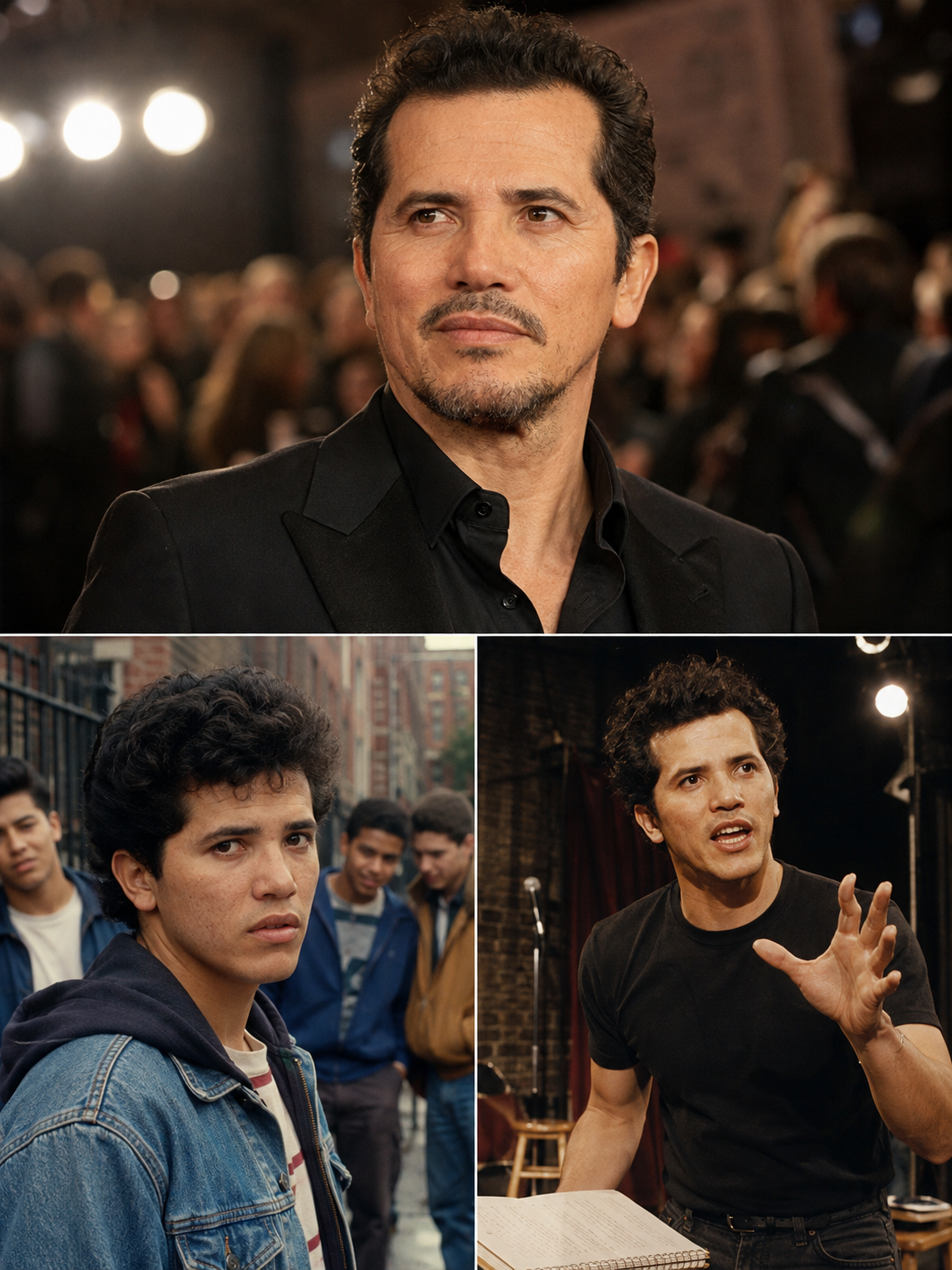
Before John Leguizamo became an actor recognized across movies, television and Broadway, he was a small Colombian-born boy learning how to avoid trouble on the streets of Queens.
Sometimes that meant fighting back. Other times, it meant making the person threatening him laugh.
Humor became protection long before it became a profession.
Leguizamo later transformed those childhood instincts into a remarkable career, playing everyone from a Shakespearean villain and a drag performer to a gangster, a sloth and the overlooked uncle in one of Disney’s biggest animated films. Yet some of his most important work began when Hollywood offered him too few meaningful Latino characters.
Instead of waiting for the industry to understand him, he created his own stage.
Through one-man shows built from family memories, immigrant experiences, racial tension and painful self-examination, Leguizamo turned stories Hollywood considered too specific into stories audiences recognized as universal.
Learning to Survive in Queens
Leguizamo was born in Bogotá, Colombia, in 1960. His family moved to New York City when he was young and settled in Queens, living in neighborhoods that included Jackson Heights.
He has described his childhood as energetic, unstable and frequently confrontational. The family moved often, his parents eventually divorced, and Leguizamo struggled to remain focused in school.
He was also bullied and attacked.
Leguizamo has recalled being one of relatively few Latino children in parts of his neighborhood at the time. Walking through a park could lead to a fight, and he learned that quick humor sometimes worked better than physical strength. If he could make potential attackers laugh, he might avoid being hit.
That survival strategy became an early form of performance.
Leguizamo was restless and repeatedly found himself in trouble. He has spoken about being arrested as a teenager for relatively minor offenses and about being sent to stay with relatives in Colombia after his family became concerned about his behavior.
Yet teachers recognized his comic ability. A math instructor reportedly encouraged him to perform for classmates, giving the disruptive student a controlled place to use the energy that had previously created problems.
Leguizamo eventually studied theater, including time at New York University, though he did not complete a degree there. In acting classes, he became increasingly aware that New York’s diversity was not reflected in the rooms where performers were being trained—or in the stories they were preparing to tell.
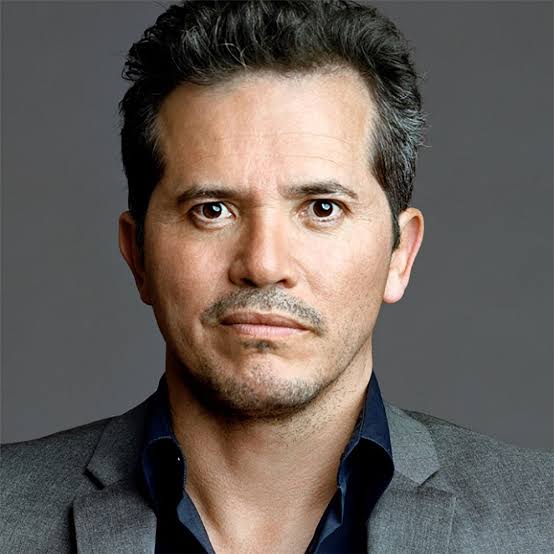
A Career Restricted by Someone Else’s Imagination
Leguizamo entered entertainment during the 1980s, taking small roles and performing stand-up comedy in New York clubs.
The opportunities available to Latino actors were narrow. Parts were often written as gang members, drug dealers, servants or vaguely “ethnic” side characters. Even when Leguizamo secured work, he frequently encountered an industry that treated Latino identity as a limitation rather than an American reality.
He appeared briefly in films such as Casualties of War and Die Hard 2, but he understood that waiting for substantial roles could mean waiting forever.
So he began writing characters for himself.
His first major one-man production, Mambo Mouth, debuted in 1990. Leguizamo moved rapidly between multiple personalities, using his voice and body to create a collection of Latino characters whose lives rarely appeared on mainstream stages.
The show was comic, loud and confrontational, but it also rejected the idea that Latino communities could be represented by one accent, personality or background.
Spic-O-Rama followed in 1993, drawing more directly from a dysfunctional family shaped by migration, economic pressure and cultural conflict. Leguizamo portrayed numerous relatives himself, transforming private memories into public theater.
The title reclaimed a slur while signaling that the performance would not soften its anger to make audiences comfortable.
These productions did something Hollywood had repeatedly failed to do: they placed complicated Latino people at the center of their own stories.
Breaking Through Without Becoming Easy to Define
As Leguizamo’s stage reputation grew, his screen career expanded.
In 1993, he played Luigi in the live-action Super Mario Bros. and appeared as the ambitious criminal Benny Blanco in Brian De Palma’s Carlito’s Way. The two films demonstrated how difficult he was to categorize. He could bring comic energy to an eccentric fantasy and then become genuinely threatening opposite Al Pacino.
Two years later, Leguizamo played Chi-Chi Rodriguez in To Wong Foo, Thanks for Everything! Julie Newmar, alongside Patrick Swayze and Wesley Snipes.
His performance as a young drag queen seeking acceptance earned him a Golden Globe nomination. The movie later developed a strong following, particularly among LGBTQ+ viewers who saw its characters treated with warmth rather than simple ridicule.
Leguizamo continued appearing in major productions, including Baz Luhrmann’s Romeo + Juliet, where he played the volatile Tybalt, and Spike Lee’s Summer of Sam. He also voiced Sid the sloth in the Ice Age franchise, turning an anxious, talkative outcast into one of modern animation’s most familiar characters.
Yet Hollywood success did not replace his need to tell his own story.

Turning Family Pain Into Broadway Theater
In 1998, Leguizamo brought Freak to Broadway.
The autobiographical one-man show explored his childhood, difficult relationship with his father, early career and struggle to understand where he belonged. Spike Lee directed a filmed version for HBO.
Leguizamo’s performance earned a Primetime Emmy Award, while the Broadway production attracted audiences that were younger and more Latino than traditional Broadway crowds. It proved that personal stories from outside the industry’s usual center could succeed commercially as well as artistically.
The achievement also influenced other aspiring writers.
Leguizamo said Matt Damon later told him that watching one of his solo performances helped convince Damon and Ben Affleck that they could write their own story—an effort that became Good Will Hunting. Leguizamo has similarly been cited as an influence by Latino creators who saw his work and realized they did not need to wait for permission to place themselves at the center.
He continued mining his life in productions including Sexaholix…A Love Story and Ghetto Klown. The shows did not present success as a smooth climb. They exposed insecurity, family conflict, professional humiliation and the compromises demanded by an industry uncomfortable with difference.
Leguizamo made his wounds part of the performance before celebrity confession became a common form of entertainment.
From Personal History to the History America Ignored
Over time, Leguizamo’s focus widened.
While helping his children with school assignments, he became frustrated by how little Latino history appeared in their textbooks. That discovery inspired Latin History for Morons, which opened at the Public Theater in 2017 before moving to Broadway.
The show combined comedy, lectures and personal storytelling to examine Latino contributions to the Americas and the United States—from Indigenous civilizations and colonization to wars, politics and civil rights.
Its central argument was not that Latinos needed to be added to American history as an afterthought. They had always been part of it.
The production earned a Tony nomination for Best Play. In 2018, Leguizamo received a Special Tony Award recognizing his theatrical work and his efforts to bring diverse stories and audiences to Broadway.
He later expanded the subject through the PBS documentary series VOCES American Historia: The Untold History of Latinos, continuing his effort to address what he viewed as a damaging cultural absence.
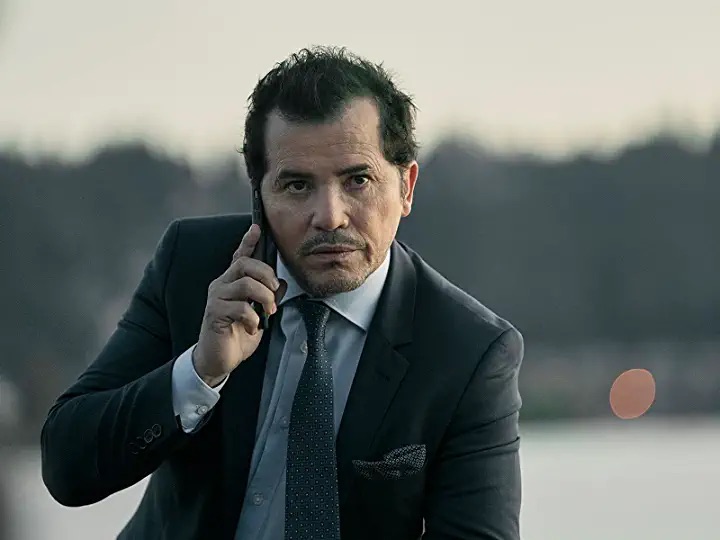
Refusing to Become Quiet After Success
Leguizamo could have allowed his long list of credits to serve as proof that the industry had solved its representation problem.
Instead, he became more outspoken.
He has repeatedly criticized the limited number of Latino executives, writers, directors and leading characters in American entertainment. In a 2022 open letter, he argued that representation should reflect the fact that Latinos make up nearly one-fifth of the United States population.
His advocacy has occasionally created controversy, especially when he has criticized casting decisions or Hollywood institutions publicly. But Leguizamo’s argument has remained consistent: a handful of successful performers cannot represent an entire population, and visibility without decision-making power is not equality.
He continued acting while pressing that case, appearing in projects including John Wick, Chef, When They See Us, The Menu and Disney’s Encanto. His voice performance as Bruno introduced him to another generation through a character who had been excluded from his own family’s story.
The connection was fitting.
John Leguizamo built his career around people whom families, institutions and history had pushed out of view.
The frightened boy in Queens learned to use comedy so others would not hurt him. The young actor used writing because Hollywood would not create enough space for him. The established star used his platform to argue that the next generation should not have to fight the same battle.
Leguizamo did more than find a place in Hollywood.
By writing his own characters, families and history, he showed others that when the industry refuses to see them, they can still begin by putting themselves on the page.