Born Without Arms or Legs, Briel Built an Independent Life—and a Marriage That Grew With Her
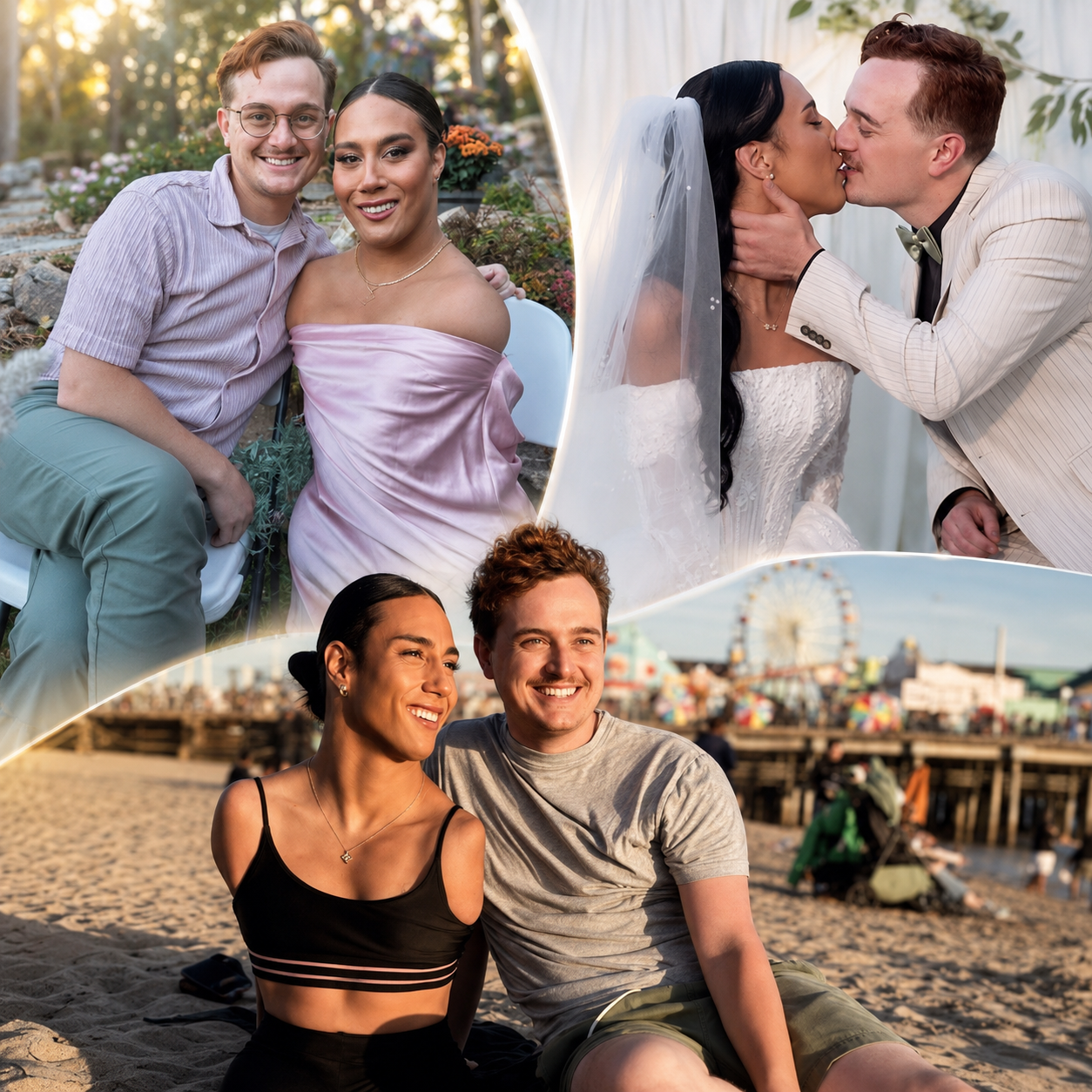
Five years after exchanging wedding vows in a Utah backyard, Briel Adams-Wheatley returned to the same place beside the same partner.
Yet the second ceremony in June 2026 was not simply a recreation of an earlier celebration.
This time, Briel wore the wedding gown she had long imagined wearing. The brief ceremony marked more than an anniversary. It honored the woman she had become, the truth she had found the courage to share and a marriage that had survived by allowing both partners to change.
Standing beside her was Adam Wheatley, the man she had met online during one of the most uncertain periods in recent history. Their journey together had included love, marriage, difficult conversations and a deeply personal transition.
Long before Adam entered her life, however, Briel had already spent years proving that her future would not be determined by the body she was born with.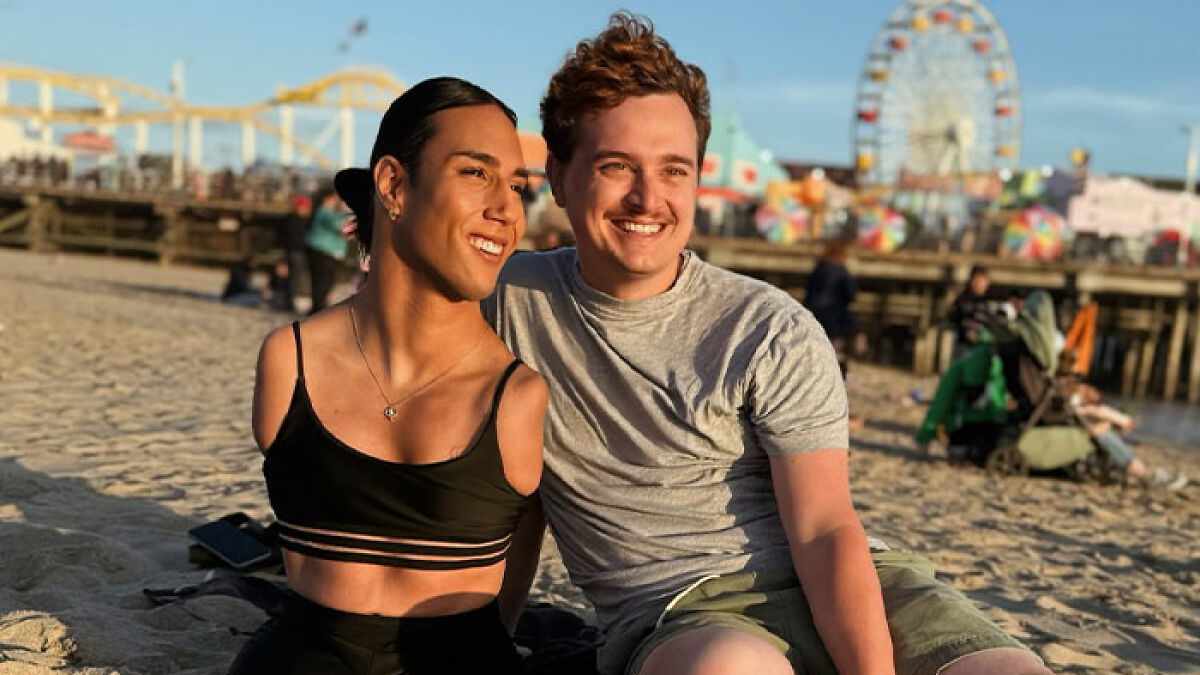
Learning to Live in a World Not Designed for Her
Briel was born in Brazil with Hanhart syndrome, a rare congenital condition that affected the development of her limbs. She entered the world without arms or legs.
As a baby, she was adopted by a large family in Utah. There, she grew up in an environment that encouraged her to discover what she could accomplish rather than constantly emphasizing what she could not.
Everyday activities required patience and imagination. Tasks that other children performed without thinking became problems Briel had to solve in her own way.
She developed methods for moving, dressing herself and navigating daily life. Independence did not arrive through one dramatic breakthrough. It emerged slowly, through hundreds of small victories that taught her to trust her abilities.
Her experience also gave her a different understanding of self-reliance. Independence did not have to mean completing a task exactly as everyone else did. It meant finding an approach that worked for her body and refusing to let conventional expectations become permanent barriers.
That determination followed her into adulthood.
Briel explored dance, fashion and beauty, finding new ways to express a personality that had never fit neatly inside other people’s assumptions. Makeup became especially meaningful. It offered more than a change in appearance; it gave her another language through which she could communicate creativity, confidence and identity.
She adapted beauty techniques to suit her body and gradually developed her own distinctive style.
Then the COVID-19 pandemic changed the direction of her life.
A Creative Outlet Reaches Millions
As people around the world adjusted to isolation and disrupted routines, Briel began posting beauty videos online.
Initially, the videos were a personal creative project. They allowed her to share techniques, experiment with different looks and connect with others during an unusually lonely period.
The audience soon expanded far beyond what she had expected.
Millions discovered her content and responded not only to her makeup skills but also to the confidence behind them. Each video quietly challenged the idea that disability must limit ambition, beauty or self-expression.
Briel was not presenting herself as someone waiting to be rescued. She was showing a life she had deliberately constructed—one shaped by persistence, adaptation and a willingness to be fully visible.
At roughly the same time that her online presence was beginning to grow, another important connection was forming.
In 2020, Briel matched with Adam Wheatley on Tinder.
Their first conversations were ordinary exchanges between two people trying to determine whether an online spark could become something real. Eventually, they agreed to meet at a coffee shop.
The date carried the familiar mixture of curiosity and nervousness that comes with meeting someone from an app. But the connection continued after the coffee was finished.
Conversation turned into companionship. Companionship deepened into a relationship built around laughter, comfort and mutual respect.
Rather than pretending that life would always be easy, Briel and Adam learned to approach challenges together. They became increasingly difficult to separate, and within a year of meeting, they were ready to make a lasting commitment.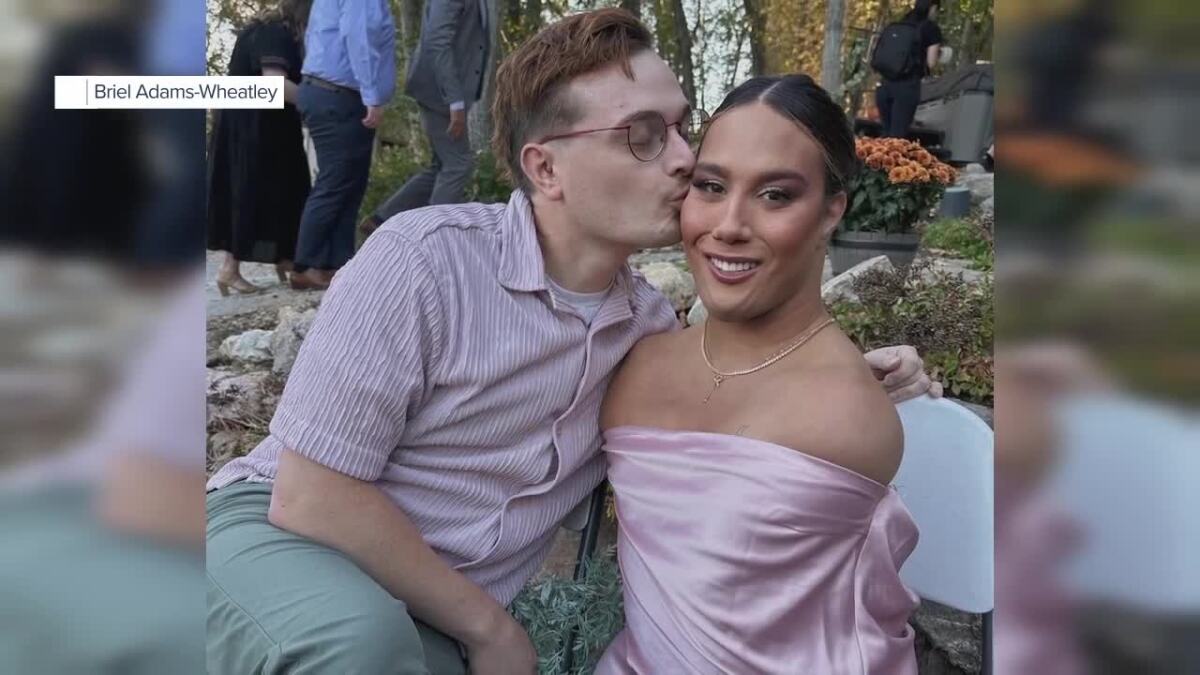
A Marriage—and an Unexpected New Chapter
Briel and Adam married in Utah in June 2021, surrounded by friends and relatives.
The wedding began their life as a married couple, but it did not freeze either person in the identity they held on that day. Like all relationships, theirs continued to change as they learned more about themselves and each other.
Two years after the wedding, Briel publicly came out as transgender.
For her, the announcement was not about discarding one identity and suddenly adopting another. It was an opportunity to express openly the person she understood herself to have always been.
Sharing that truth publicly required a new kind of courage. Briel had already spent much of her life confronting assumptions about disability. Now she faced the possibility of additional judgment and misunderstanding while revealing something intensely personal.
The transition also introduced a complicated new reality into her marriage.
Adam acknowledged that he needed time to understand what Briel’s announcement meant for both of them. He had questions and emotions to process. Their relationship could not move forward by ignoring those uncertainties.
Instead, he listened and learned.
His support did not depend on Briel remaining exactly as she had been when they first met. He chose to understand her more deeply and to remain beside her as she expressed her identity more openly.
Their marriage became an example of love not as a promise to avoid change, but as a willingness to face it honestly.
Returning to the Backyard
In June 2026, nearly five years after their original wedding, Briel and Adam gathered again in the same Utah backyard.
The second ceremony was short, but every detail carried the weight of the years between the two occasions.
Briel wore the wedding dress she had dreamed of wearing. The gown represented far more than a bridal tradition. It reflected the distance she had traveled from a childhood spent adapting to a world that had not been built for her.
It also represented the confidence she had assembled achievement by achievement, the public platform she had created and the freedom she had found in presenting herself truthfully.
Beside her stood the partner who had watched that transformation unfold.
The couple was not attempting to erase or replace their first wedding. They were recognizing everything that had changed since it—and affirming that their commitment still remained.
Their story does not suggest that love makes every transition effortless. Briel and Adam encountered uncertainty and conversations that required honesty, patience and adjustment.
What mattered was their decision to continue moving through those moments together.
Briel’s life had begun with circumstances that invited others to focus on absence. She responded by building independence, creativity and a public voice that reached millions.
Her marriage followed a similar path. It was not strengthened by demanding that two people remain unchanged. It grew because change was met with listening, learning and acceptance.
When Briel returned to that backyard in the dress she had always wanted, she was not asking the world for permission to become herself.
She was celebrating the fact that she already had—and the person she loved had chosen to grow beside her.