Lindsay Clancy’s Diary Sheds Light on Her State of Mind Before Children’s Deaths
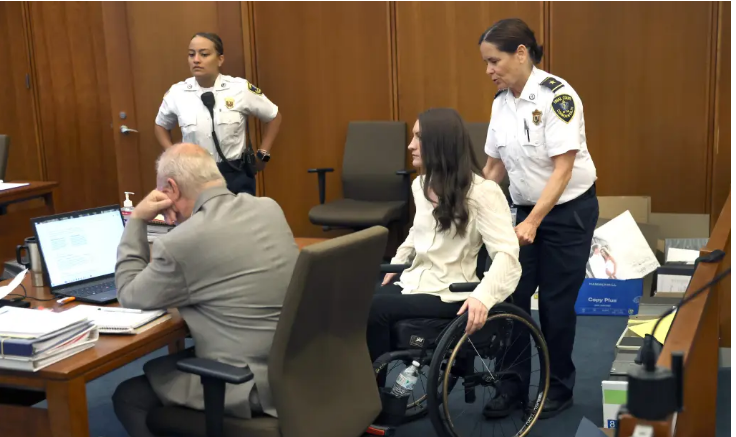
Lindsay Clancy’s Diary Sheds Light on Her State of Mind Before Children’s Deaths
The murder trial of Lindsay Clancy took another significant turn as prosecutors and defense attorneys presented evidence from her personal diary, offering jurors a closer look at her mental and emotional state in the months leading up to the deaths of her three young children.
According to testimony presented in court, diary entries documented Clancy’s struggles with her mental health, including feelings of anxiety, emotional distress, and concerns about her ability to care for herself and her family. The writings have become an important piece of evidence as both sides seek to explain her state of mind before the January 2023 tragedy.
Defense attorneys argue that the journal supports their claim that Clancy was suffering from severe postpartum psychosis and other serious psychiatric conditions that impaired her ability to appreciate the nature or wrongfulness of her actions. They contend the entries demonstrate a pattern of deteriorating mental health despite ongoing treatment, medication, and consultations with mental health professionals.
Prosecutors, however, maintain that the evidence must be considered alongside the broader timeline of events. They argue that Clancy’s actions on the day of the children’s deaths demonstrate planning and awareness, and they contend that the diary does not establish that she met the legal standard for insanity under Massachusetts law.
The trial centers on the deaths of 5-year-old Cora, 3-year-old Dawson, and 8-month-old Callan, who were found unresponsive in the family’s Duxbury home on January 24, 2023. Clancy has pleaded not guilty by reason of insanity, making her mental condition at the time of the killings the central issue before the jury.

Throughout the proceedings, jurors have heard testimony from family members, first responders, investigators, physicians, and mental health experts. Personal writings, medical records, and psychiatric evaluations are expected to remain key pieces of evidence as both sides continue presenting their cases.
Legal experts note that personal journals can provide insight into an individual’s thoughts and emotions, but they are only one part of the evidence considered by a jury. Ultimately, jurors must weigh the diary alongside witness testimony, forensic findings, expert opinions, and other evidence presented during the trial.
As testimony continues, the jury will be tasked with determining whether Lindsay Clancy was legally criminally responsible for the deaths of her children or whether her mental illness met the legal requirements for a verdict of not guilty by reason of insanity. The trial is expected to continue with additional expert testimony before closing arguments are presented.
Source: AOL.com