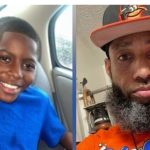
INSIDE THE CLOSET: THE CASE OF 7-YEAR-OLD WILLIAM MICHAEL EVANS-ELLIS

INSIDE THE CLOSET: THE CASE OF 7-YEAR-OLD WILLIAM MICHAEL EVANS-ELLIS
The death of 7-year-old William Michael Evans-Ellis in Cincinnati has left investigators confronting deeply disturbing allegations involving a vulnerable child. A veteran homicide investigator reportedly described the case as among the most troubling child-abuse investigations of his career, while prosecutors pursued serious charges against three adults living at the residence.
 A CHILD WHO DEPENDED ON OTHERS
William Michael Evans-Ellis was seven years old and reportedly had developmental disabilities.
That made the responsibility of the adults around him even more significant.
According to the allegations surrounding the case, investigators responding to a Cincinnati residence discovered the boy’s body inside a closet.
What officers encountered inside the home would become the focus of a major criminal investigation.
A SCENE THAT SHOCKED EXPERIENCED INVESTIGATORS
Homicide detectives regularly encounter difficult scenes.
But cases involving children can carry an especially profound emotional impact.
A veteran investigator with more than two decades of law-enforcement experience reportedly described William’s death as one of the most disturbing examples of severe child abuse he had encountered.
The statement highlighted the seriousness of what investigators believed they had uncovered inside the residence.
THREE ADULTS FACE SERIOUS CHARGES
The investigation ultimately resulted in prosecutors bringing murder and child-endangerment charges against three adults associated with the home.
Those charges represent allegations—not convictions.
Under the law, each defendant is presumed innocent unless and until proven guilty in court.
Investigators and prosecutors must therefore establish the circumstances surrounding William’s death through evidence presented during the legal process.
WHAT DID INVESTIGATORS FIND?
The evidence recovered from the residence reportedly played an important role in the investigation.
However, graphic descriptions of a child’s injuries or alleged abuse should not be repeated as established fact unless they have been documented through reliable court records or official statements.
The central issue for investigators was not simply where William was found.
It was how a vulnerable seven-year-old came to be in that condition—and whether adults responsible for his care failed to protect him or actively contributed to his death.
 THE QUESTIONS AT THE HEART OF THE CASE
The investigation raises several deeply troubling questions:
How long had William been suffering?
Who knew what was happening inside the residence?
What evidence connects each defendant to the alleged conduct?
Were there earlier opportunities to protect the child?
Those questions may ultimately be answered through testimony, forensic evidence, medical findings and other material presented in court.
A VULNERABLE CHILD AT THE CENTER
William’s case also highlights a broader concern surrounding children with developmental disabilities.
Children who depend heavily on adults for communication, mobility or daily care can be particularly vulnerable when something goes wrong.
Their safety depends on the people around them recognizing warning signs and intervening when necessary.
That is why cases like this often lead to questions extending beyond criminal responsibility.
They also raise questions about safeguarding, supervision and whether warning signs were missed.
JUSTICE WILL DEPEND ON THE EVIDENCE
The circumstances surrounding William’s death are now a matter for the criminal justice system.
The allegations are serious, but the evidence must be tested through the courts.
For William’s family and those who knew him, however, the legal process cannot change the fact that a seven-year-old child is gone.
William deserved protection.
The adults around him had a responsibility to keep him safe.
And the evidence must now establish exactly what happened inside that Cincinnati home.
What did investigators discover—and could earlier intervention have saved William?
The confirmed charges, court documents, investigative findings and latest developments are in the comments.
Independent commentary based on publicly reported allegations. The defendants are presumed innocent unless proven guilty, and unverified claims concerning the evidence should not be treated as established fact.