TOMMY JOHN: THE PITCHER WHO CHANGED BASEBALL TWICE
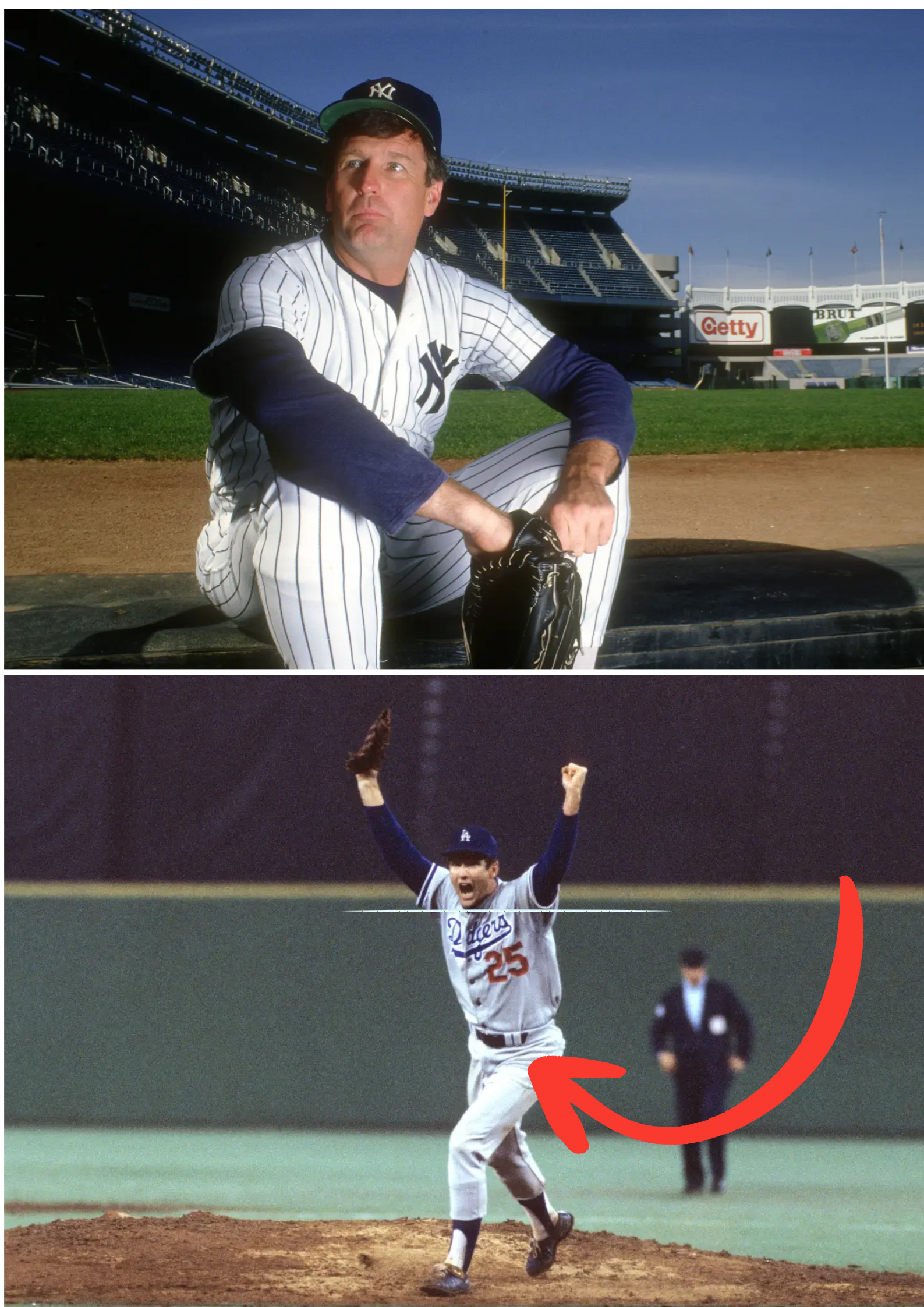
TOMMY JOHN: THE PITCHER WHO CHANGED BASEBALL TWICE
Baseball has lost one of its most enduring figures.
Tommy John, the legendary left-handed pitcher whose name became synonymous with one of the most important medical procedures in sports, has died at 83.
He passed away at his home in Bradenton, Florida, after entering hospice care.
But his legacy is about far more than the number of games he won.
26 SEASONS. 288 WINS.
John spent an extraordinary 26 seasons in Major League Baseball, pitching from 1963 through 1989.
He played for six franchises, including the Los Angeles Dodgers and New York Yankees, and finished his career with:
288 wins
2,245 strikeouts
3.34 career ERA
4 All-Star selections
He was still pitching in the majors at 46 years old.
And remarkably, much of his greatest success came after the injury that could have ended his career.
 THE INJURY THAT CHANGED EVERYTHING
In 1974, while pitching for the Dodgers, John suffered a devastating tear of the ulnar collateral ligament in his left elbow.
At the time, that kind of injury was widely considered a career-ending disaster for a pitcher.
Then Dodgers team physician Dr. Frank Jobe proposed an experimental solution.
Jobe replaced the damaged ligament with a tendon taken from John’s right forearm.
The procedure was unprecedented for a major-league pitcher.
And nobody knew whether John would ever pitch again.
THEN HE CAME BACK
John returned to the mound in 1976.
Instead of ending his career, the surgery helped him continue pitching for another 14 seasons.
Even more remarkable:
John won 164 games after the surgery — more than the 124 victories he had before it.
The procedure that saved his career eventually became known around the world as:
“TOMMY JOHN SURGERY.”
Today, UCL reconstruction has helped countless baseball players return from devastating elbow injuries.
That means every time another pitcher undergoes the procedure, Tommy John’s name lives on.
 HIS YANKEES YEARS
John spent eight seasons with the New York Yankees across two stints.
His first Yankees season in 1979 was extraordinary.
He went 21–9 with a 2.96 ERA, followed by a 22–9 season in 1980.
He remains the last Yankee to win at least 20 games in consecutive seasons.
The Yankees later described him as a “bedrock” of their rotation and a longtime favorite among fans.
HIS FINAL MESSAGE
Just days before his death, John shared what became an emotional farewell to baseball fans after missing the Yankees’ Old-Timers’ Day.
He thanked the Yankees organization, his fans, his teammates and Dr. Jobe.
He also reflected on the surgery that had allowed him to continue doing what he loved.
It was, in effect, a goodbye from a man whose career had already become part of baseball history.
MORE THAN A BASEBALL STATISTIC
Tommy John was never elected to the Baseball Hall of Fame.
But his influence on the sport extends beyond traditional statistics.
He became part of baseball history in two completely different ways:
First as a remarkably durable major-league pitcher.
Then as the man whose successful comeback helped transform sports medicine.
His career demonstrated that a catastrophic injury did not necessarily have to mean the end.
And his name became attached to a procedure that has since helped generations of athletes.
26 YEARS IN THE MAJOR LEAGUES.
288 CAREER WINS. ONE EXPERIMENTAL SURGERY.
A MEDICAL LEGACY THAT OUTLIVED HIS CAREER.
Tommy John is gone.
But every time a pitcher walks back onto a baseball field after UCL reconstruction, part of his story returns with them.
The pitcher became a legend.
The surgery became his name.
And the legacy may last far longer than either.
Independent sports commentary based on current reporting from MLB, AP and other published sources.