HE DIDN’T JUST SAVE HIS CAREER — TOMMY JOHN CHANGED BASEBALL FOREVER
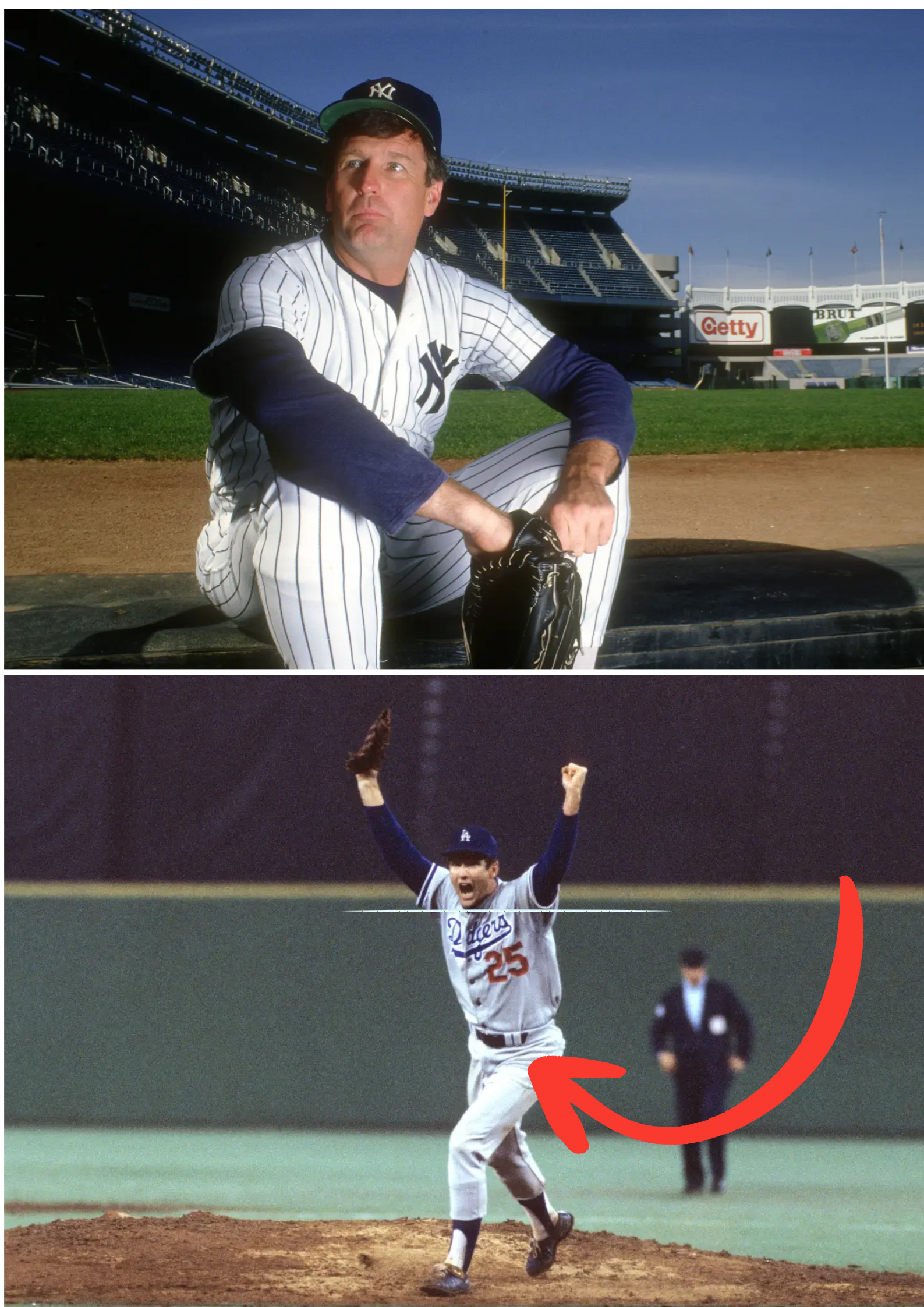
HE DIDN’T JUST SAVE HIS CAREER — TOMMY JOHN CHANGED BASEBALL FOREVER
Before his name became synonymous with one of the most famous surgeries in sports, Tommy John was simply a pitcher trying to stay on the mound.
Now, the baseball world is mourning the Yankees great after he died at 83 in Bradenton, Florida, following hospice care.
THE INJURY THAT SHOULD HAVE ENDED HIS CAREER
In 1974, John suffered a devastating injury to the ulnar collateral ligament in his pitching elbow.
At the time, an injury like that was often considered the end of a pitcher’s career.
But Dodgers team physician Dr. Frank Jobe proposed an experimental operation: replacing the damaged ligament with a tendon taken from John’s right forearm.
Jobe reportedly gave the procedure only a 1% chance of success.
John took the chance anyway.
THEN SOMETHING UNEXPECTED HAPPENED
John didn’t merely return to baseball.
He returned and continued pitching for 13 more seasons.
And the numbers tell an extraordinary story.
Before the operation, John had won 124 major-league games.
After it?
He won 164 more.
His career eventually stretched across 26 seasons, from 1963 through 1989, and he finished with 288 victories and 2,245 strikeouts.
The surgery that was supposed to save one pitcher’s career became one of the most influential procedures in sports medicine.
 HIS NAME BECAME A MEDICAL TERM
The operation became known as Tommy John surgery.
Since then, thousands of baseball players have undergone UCL reconstruction, including some of the sport’s biggest stars.
The procedure transformed the way baseball viewed catastrophic elbow injuries — turning what once looked like a career-ending diagnosis into something many pitchers could potentially recover from.
But John himself had complicated feelings about the legacy.
He was concerned about how frequently the operation was being performed on young pitchers, rather than only professional athletes.
THE YANKEES YEARS
John became a familiar figure in pinstripes after joining the New York Yankees.
He was a four-time All-Star and appeared in three World Series during his career.
He also became one of the rare pitchers whose career seemed to become even more remarkable after a major reconstruction rather than before it.
Yet despite his longevity and achievements, John was never elected to the Baseball Hall of Fame.
He appeared on the Hall of Fame ballot from 1995 through 2009 but never came close to the 75% threshold required for induction.
 HIS FINAL DAYS
John’s death came shortly after he shared an emotional farewell message with fans.
The Yankees had recently acknowledged his absence from Old-Timers’ Day, where he had been expected to appear.
Instead, he told the people who had followed his career that he wanted to say goodbye.
Reports say he died at home while receiving hospice care.
PEOPLE reported that John had been battling bladder cancer.
MORE THAN A BASEBALL RECORD
Tommy John’s legacy cannot be measured only by 288 wins.
His greatest impact may have come from something that was never supposed to become famous.
A torn ligament.
An experimental operation.
A pitcher willing to risk everything.
And a medical breakthrough that ultimately carried his name around the world.
26 SEASONS.
288 CAREER WINS.
FOUR-TIME ALL-STAR.
ONE SURGERY THAT CHANGED SPORTS MEDICINE.
AND NOW, A BASEBALL LEGEND IS GONE AT 83.
Tommy John once went into surgery hoping simply to pitch again.
He came out of it having changed the future of baseball.
The surgery bears his name. But the legacy belongs to the man who dared to try it first.
Independent commentary based on publicly reported information.