Mongolian Spots in Infants: Understanding Congenital Dermal Melanocytosis and When Parents Should Consult a Pediatric Healthcare Specialist
Mongolian Spots in Infants: Understanding Congenital Dermal Melanocytosis and When Parents Should Consult a Pediatric Healthcare Specialist
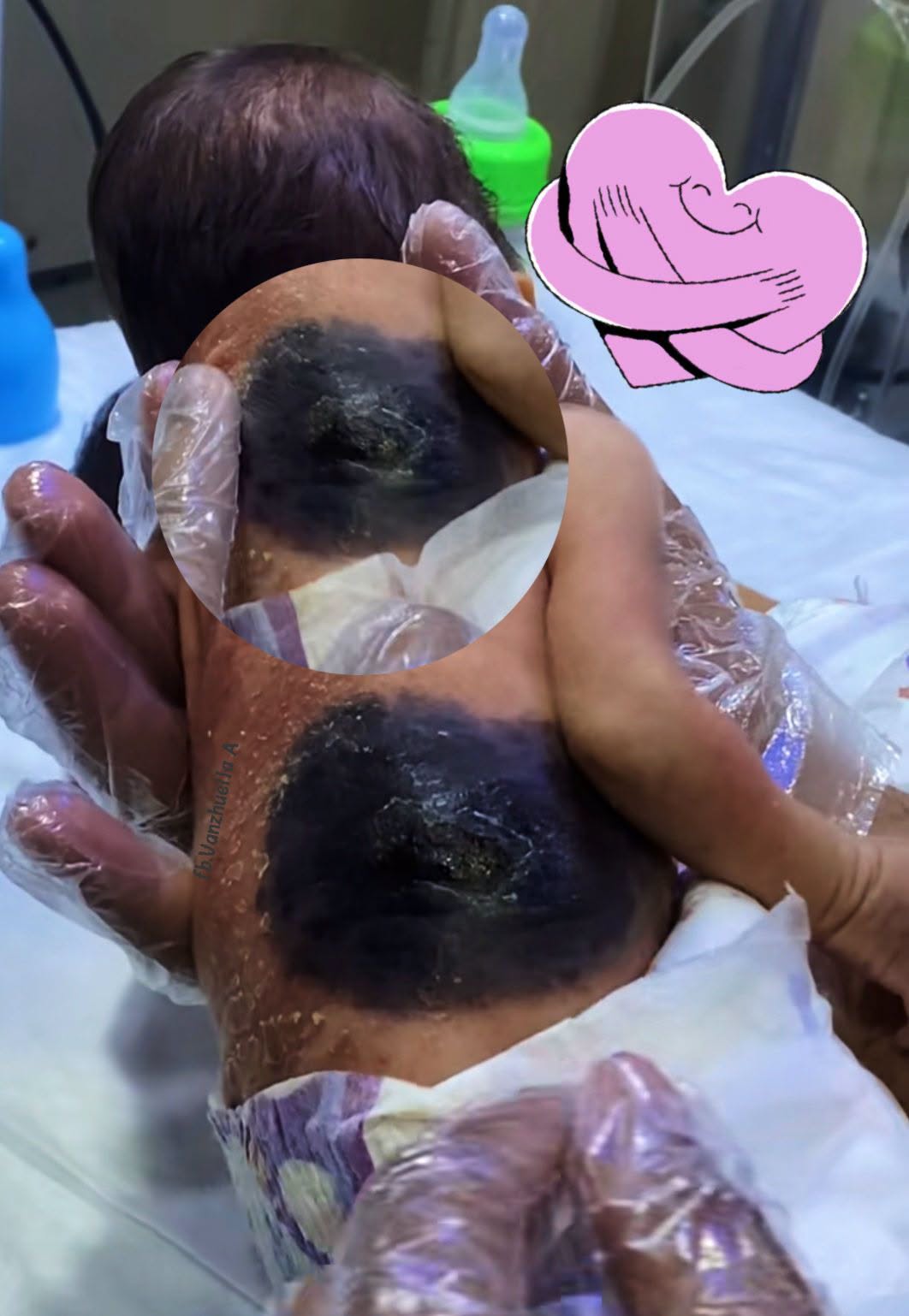
The appearance of a bluish-gray or slate-colored patch on an infant’s lower back or buttocks often leads to questions and initial concern for new parents. In many cases, this hyperpigmentation is identified as a Mongolian spot, scientifically known as congenital dermal melanocytosis. This common, benign birthmark occurs when pigment-producing cells, or melanocytes, remain in the deeper layers of the skin during fetal development instead of migrating to the surface.
These patches are completely flat, smooth, and do not cause discomfort, pain, or open wounds. They are non-contagious and typically require no medical intervention or treatment. In the vast majority of children, the faint bluish coloration gradually fades over time as the skin thickens, often disappearing entirely by early childhood or early adolescence. Because these markings are natural variations in skin appearance, understanding their origin helps foster empathy and removes unnecessary social stigma surrounding harmless birthmarks.
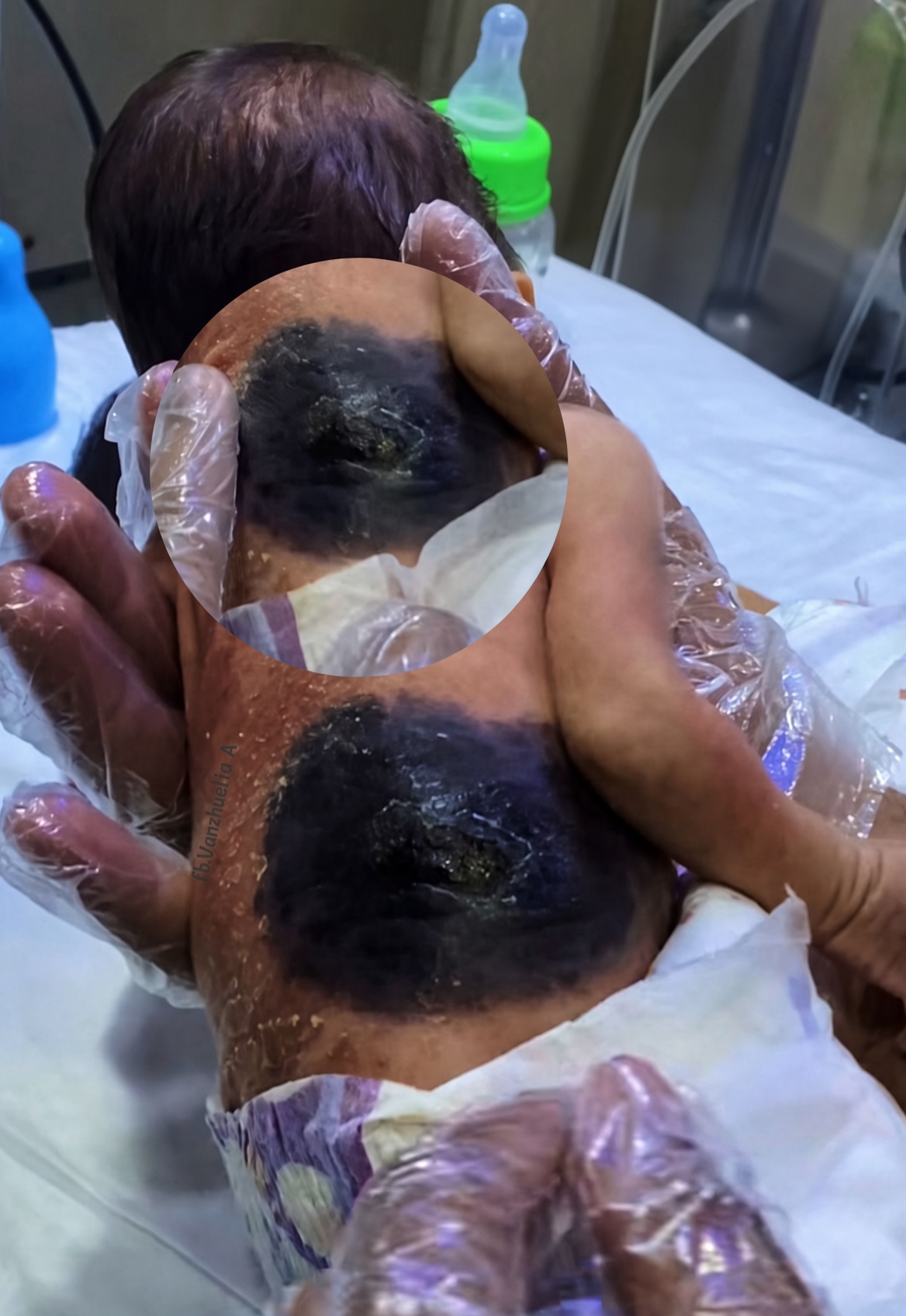
However, distinguishing benign birthmarks from other dermatological conditions requires expert guidance. Parents should always consult a qualified healthcare professional to confirm an accurate diagnosis. Medical evaluation becomes particularly essential if the mark appears suddenly after birth, spreads rapidly, turns raised or swollen, changes color significantly, or shows signs of skin breakdown.