DAY 15 OF THE LINDSAY CLANCY TRIAL: DEFENSE ZEROES IN ON HER MENTAL HEALTH AS EMOTIONAL TESTIMONY UNFOLDS
- ThanhThuy
- August 19, 2026
DAY 15 OF THE LINDSAY CLANCY TRIAL: DEFENSE ZEROES IN ON HER MENTAL HEALTH AS EMOTIONAL TESTIMONY UNFOLDS
PLYMOUTH, MASSACHUSETTS — Day 15 of the Lindsay Clancy trial brought another emotionally charged round of testimony as the defense continued building its case around Clancy’s mental state in the months leading up to the deaths of her three children.
The courtroom heard from family members and medical experts as attorneys sought to explain the psychiatric symptoms Clancy was reportedly experiencing before the killings.
 DEFENSE FOCUSES ON CLANCY’S PSYCHIATRIC HISTORY
Clancy’s mother-in-law, Susan Clancy, took the witness stand and described her observations of her daughter-in-law before the deaths of her grandchildren.
The defense then called a psychiatrist who discussed postpartum depression, anxiety, psychosis and the medications Clancy had been prescribed.
The testimony focused heavily on whether Clancy’s symptoms had progressed into a severe psychiatric episode.
Another defense expert testified that Clancy told him she heard a voice in her head telling her she had no choice but to kill her children and then herself.
The testimony is central to the defense’s argument that Clancy may have been experiencing psychosis at the time of the killings.
EMOTIONAL TESTIMONY ABOUT CLANCY’S INJURIES
A forensic pathologist also testified about the devastating injuries Clancy suffered after she went through a second-story window at her home.
The expert described severe spinal injuries and other trauma and explained her opinion about how Clancy landed.
The testimony became particularly emotional when attorneys turned to the circumstances surrounding the children’s deaths.
At one point, prosecutors demonstrated one of the exercise bands allegedly used in the killings for the jury.
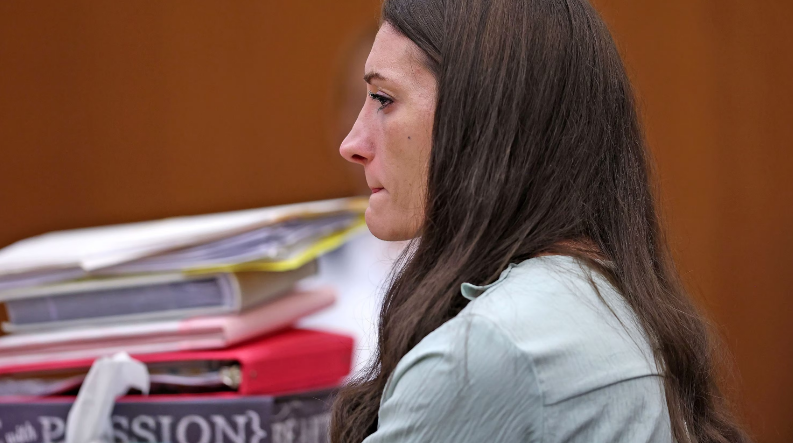
Clancy appeared to cry during portions of the testimony as the courtroom confronted graphic details surrounding the deaths of her children.
 THE DEFENSE’S CENTRAL QUESTION
The defense continues to focus on one critical issue:
What was happening inside Clancy’s mind when her children died?
Her attorneys are attempting to persuade jurors that severe psychiatric symptoms, including hallucinations and psychosis, played a significant role in her actions.
The prosecution, meanwhile, continues challenging aspects of the defense’s account and the interpretation of the evidence.
The jury will ultimately have to determine whether Clancy’s mental state meets the legal standard required for the defense’s arguments.
BLUE PICKUP TRUCK BECOMES KEY FOCUS IN MARIO FERNANDEZ-SALDANA TRIAL
Another major courtroom development is unfolding in the Mario Fernandez-Saldana trial, where jurors have been examining evidence surrounding the killing of Microsoft executive Jared Bridegan.
A mysterious blue pickup truck emerged as an important part of the prosecution’s case.
Investigators also identified a tire at a property associated with Fernandez-Saldana that they said appeared remarkably similar to a tire deliberately placed in the roadway where Bridegan was killed.
A 36-MINUTE GAP IN SURVEILLANCE
The defense has repeatedly highlighted a 36-minute gap in surveillance footage, raising questions about what investigators can establish regarding the timeline surrounding Bridegan’s killing.
Jurors have also watched portions of Fernandez-Saldana’s own interview with investigators.
The footage gives the jury an opportunity to hear his account directly, including his relationship with Bridegan, the custody dispute involving their children and his explanation of what happened on the night Bridegan was killed.
Two trials. Two very different cases.
But both are now reaching critical stages as jurors weigh testimony, forensic evidence and competing versions of events.
Tonight on “Courtroom Insider,” the testimony and evidence from both trials will be broken down—including the psychiatric evidence in the Clancy case and the blue truck, tire and surveillance gap at the center of the Fernandez-Saldana proceedings.