DAY 15 OF LINDSAY CLANCY TRIAL: DEFENSE PUTS HER MENTAL HEALTH AT THE CENTER OF THE CASE
DAY 15 OF LINDSAY CLANCY TRIAL: DEFENSE PUTS HER MENTAL HEALTH AT THE CENTER OF THE CASE
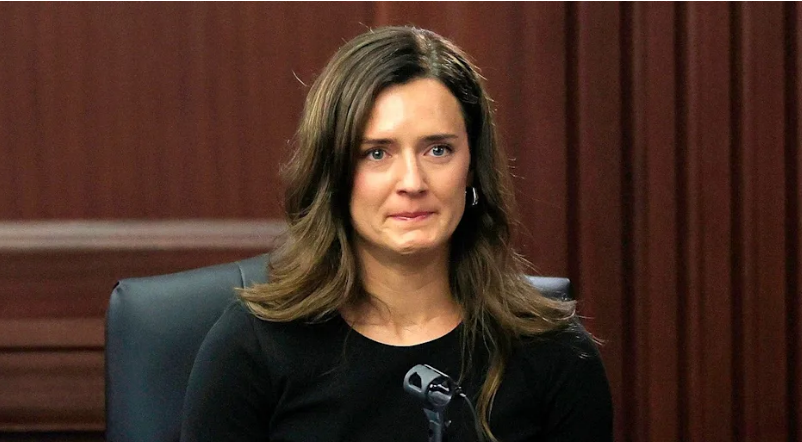
PLYMOUTH, MASSACHUSETTS — Day 15 of the Lindsay Clancy trial brought emotional testimony as the defense continued building its argument around Clancy’s mental health in the months before the deaths of her three children.
The courtroom heard from family members, psychiatric experts and a forensic pathologist as the defense sought to give jurors a closer look at Clancy’s psychological condition and physical injuries.
MOTHER-IN-LAW DESCRIBES CLANCY’S STRUGGLES
The defense began with testimony from Susan Clancy, Patrick Clancy’s mother.
She described her relationship with Lindsay and recalled observing changes in her daughter-in-law before the deaths of her grandchildren.
Susan, who spent decades working in Labor and Delivery, provided testimony intended to support the defense’s broader argument that Lindsay had been experiencing significant mental-health difficulties.
 PSYCHIATRIC EVIDENCE TAKES CENTER STAGE
A defense psychiatrist then testified about conditions including postpartum depression, anxiety and psychosis, as well as medications Clancy had been prescribed.
The defense has repeatedly argued that Clancy’s psychiatric condition deteriorated during the period leading up to the deaths.
Another defense expert testified that Clancy told him she heard a voice telling her she had no choice but to kill her children and then herself.
That testimony is central to the defense’s effort to establish that Clancy may have been experiencing psychosis when the killings occurred.
PATHOLOGIST TESTIFIES ABOUT CLANCY’S FALL
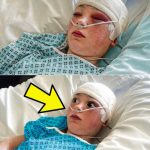
The defense also presented forensic pathology testimony concerning Clancy’s injuries after she went through a second-story window.
The expert described severe spinal and other injuries and explained her opinion about how Clancy landed.
The testimony became particularly emotional when the courtroom turned to the physical evidence involving the children’s deaths.
At one point, prosecutors demonstrated one of the exercise bands allegedly used in the killings in front of the jury.
Clancy appeared visibly emotional during portions of the testimony.
ANOTHER HIGH-PROFILE TRIAL: MARIO FERNANDEZ-SALDANA
The courtroom developments came as another closely watched murder trial continued involving Mario Fernandez-Saldana, who is accused in the killing of Jared Bridegan.
A mysterious blue pickup truck became a significant focus of testimony.
The defense repeatedly highlighted a 36-minute gap in surveillance footage, raising questions about what investigators could and could not establish during that period.
Investigators also found a tire at a property connected to Fernandez-Saldana that appeared similar to a tire deliberately placed in the roadway where Bridegan was killed.
JURORS HEAR FERNANDEZ-SALDANA’S OWN WORDS
Jurors were shown portions of Fernandez-Saldana’s interview with investigators.
The footage included discussion of his relationship with Bridegan, the custody dispute involving the children and his account of what happened on the night Bridegan was killed.
The defense has sought to draw attention to gaps and uncertainties in the prosecution’s timeline while prosecutors continue presenting evidence connecting Fernandez-Saldana to the crime.
 TWO TRIALS, TWO CRITICAL QUESTIONS
In the Clancy case, the defense is asking jurors to determine whether severe psychiatric illness affected Clancy’s mental state at the time of the killings.
In the Fernandez-Saldana case, jurors are being asked to weigh physical and digital evidence, witness testimony and the defendant’s own statements as they consider the circumstances surrounding Bridegan’s death.
Both proceedings are now reaching critical stages, with expert testimony and disputed timelines taking center stage.
For Clancy, the question increasingly revolves around her state of mind. For Fernandez-Saldana, the focus remains on the evidence connecting him to the events surrounding Bridegan’s killing.