“SHE THINKS ABOUT THEM ALMOST EVERY MOMENT” — LINDSAY CLANCY’S MENTAL STATE TAKES CENTER STAGE
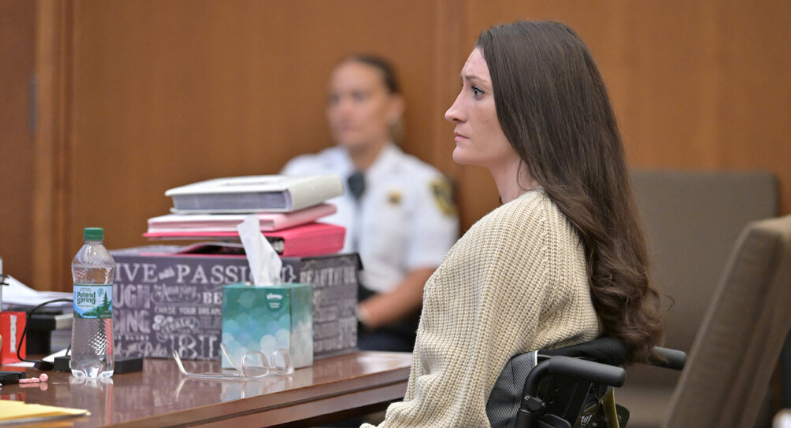
“SHE THINKS ABOUT THEM ALMOST EVERY MOMENT” — LINDSAY CLANCY’S MENTAL STATE TAKES CENTER STAGE
One of the most emotional moments of Day 16 of the Lindsay Clancy trial came when defense attorney asked psychologist Paul Zeizel whether Clancy still talks about her three children.
His answer was yes.
Zeizel testified that Clancy says she deeply loves and misses her children and thinks about them “almost every moment of the day.”
He also described her as extremely well-liked by people at the hospitals where she has been treated, while acknowledging that she has experienced what he characterized as “bad days and worse days.”
 THE DEFENSE’S MENTAL-HEALTH THEORY
Much of Zeizel’s testimony focused on his assessment that Clancy was experiencing bipolar disorder and postpartum psychosis before the January 2023 incident.
He testified that her condition allegedly involved worsening intrusive thoughts, paranoia, depression and auditory hallucinations.
According to Zeizel, Clancy told him that she heard a male voice instructing her to harm her children and then herself.
He also said she feared her children would be taken away and had contacted a suicide hotline twice in December.
PROSECUTORS CHALLENGE THE ASSESSMENT
During cross-examination, prosecutors highlighted medical records showing Clancy eating, socializing, using her phone and spending time with family while hospitalized.
They also pointed to events from the day of the incident, including Clancy building a snowman with her children and later searching for directions to a restaurant.
Prosecutors repeatedly questioned Zeizel about whether he had considered the full body of evidence and whether confirmation bias could have influenced his assessment.
 ANOTHER DEFENSE WITNESS WAS BLOCKED
The defense also sought to call Emily Thorndike, a former McLean Hospital employee who had criticized aspects of the facility’s staffing and treatment.
Thorndike described limited staffing during weekends and holidays and challenged some testimony concerning Clancy’s treatment.
Judge William Sullivan ultimately ruled that she could not testify before the jury, although the defense was permitted to introduce McLean staffing records.
THEN THE JURY WAS SENT HOME
The afternoon ended unexpectedly when Judge Sullivan excused the jury.
He told jurors he needed to ask for “some more patience” because of unforeseen circumstances, without publicly explaining what had happened.
The jury was dismissed and instructed to return Thursday morning at 9 a.m. EDT.
A PSYCHOLOGIST DESCRIBES SEVERE MENTAL-HEALTH SYMPTOMS.
PROSECUTORS POINT TO BEHAVIOR THEY SAY SHOWS SOMETHING DIFFERENT.
AND THE JURY MUST NOW WEIGH TWO VERY DIFFERENT INTERPRETATIONS OF CLANCY’S MENTAL STATE.
The trial remains ongoing, and the competing medical assessments will be central to the question of criminal responsibility.