UNLIT CHANNEL MARKER BECOMES CENTRAL DEFENSE STRATEGY IN TRAGIC NEW JERSEY BOATING FATALITY CASE
UNLIT CHANNEL MARKER BECOMES CENTRAL DEFENSE STRATEGY IN TRAGIC NEW JERSEY BOATING FATALITY CASE
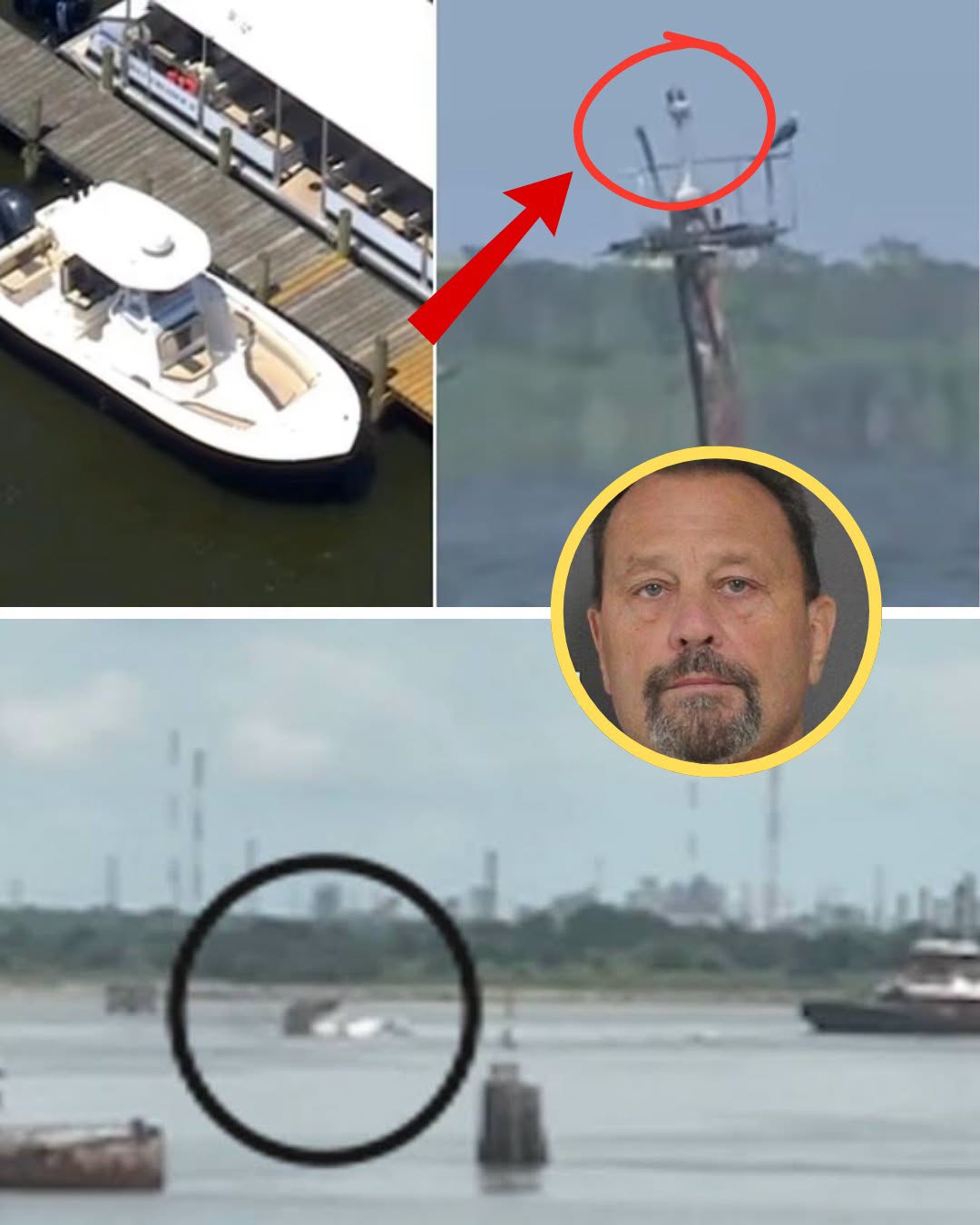
A pivotal technical argument has emerged in the ongoing legal proceedings surrounding the devastating Barnegat Bay boating crash that took the lives of two young children. Defense attorneys representing sixty-four-year-old Stephen Schneider are centering their argument on the physical visibility of the navigation structure, a detail that could fundamentally alter the trajectory of the criminal prosecution following the fateful collision on the night of July 19.
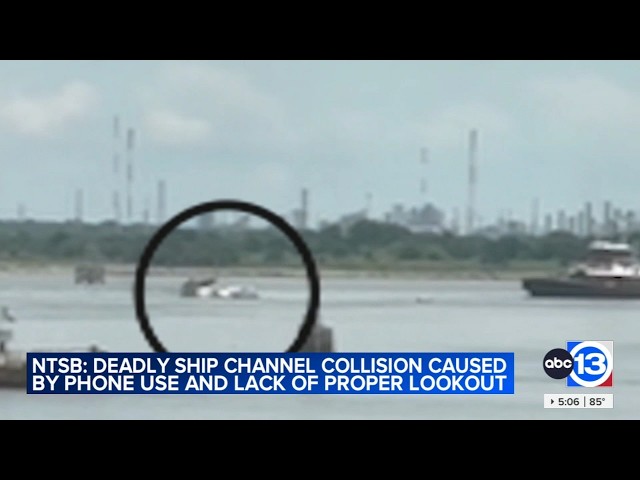
The tragic incident occurred when Schneider’s thirty-foot vessel collided directly with a channel marker in the dark waters of Barnegat Bay. The impact threw his two grandchildren, nine-year-old Mya Golabek and seven-year-old Sigmund Golabek, into the bay, resulting in their deaths. State prosecutors have built their case heavily around chemical evidence, emphasizing a reported blood alcohol concentration of 0.16 percent—double the legal limit—to substantiate serious criminal charges against the grandfather.
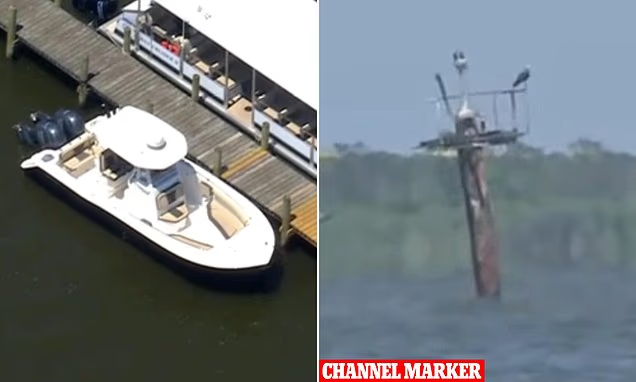
However, the defense team is shifting focus toward maritime infrastructure and environmental conditions, questioning whether the channel marker was properly illuminated or visible to boaters at the time of the impact. Attorneys contend that if the marker lacked required lighting or failed to meet visibility standards in the dark, it presents a critical factor in determining causation. If technical assessments, light tests, or maintenance logs support the defense’s assertions, this evidentiary development could significantly reshape Schneider’s defense strategy and introduce complex new legal challenges for the prosecution.