POLICE CAME THREE TIMES BEFORE THE KILLINGS — BUT NO ONE SAW WHAT WAS COMING
POLICE CAME THREE TIMES BEFORE THE KILLINGS — BUT NO ONE SAW WHAT WAS COMING
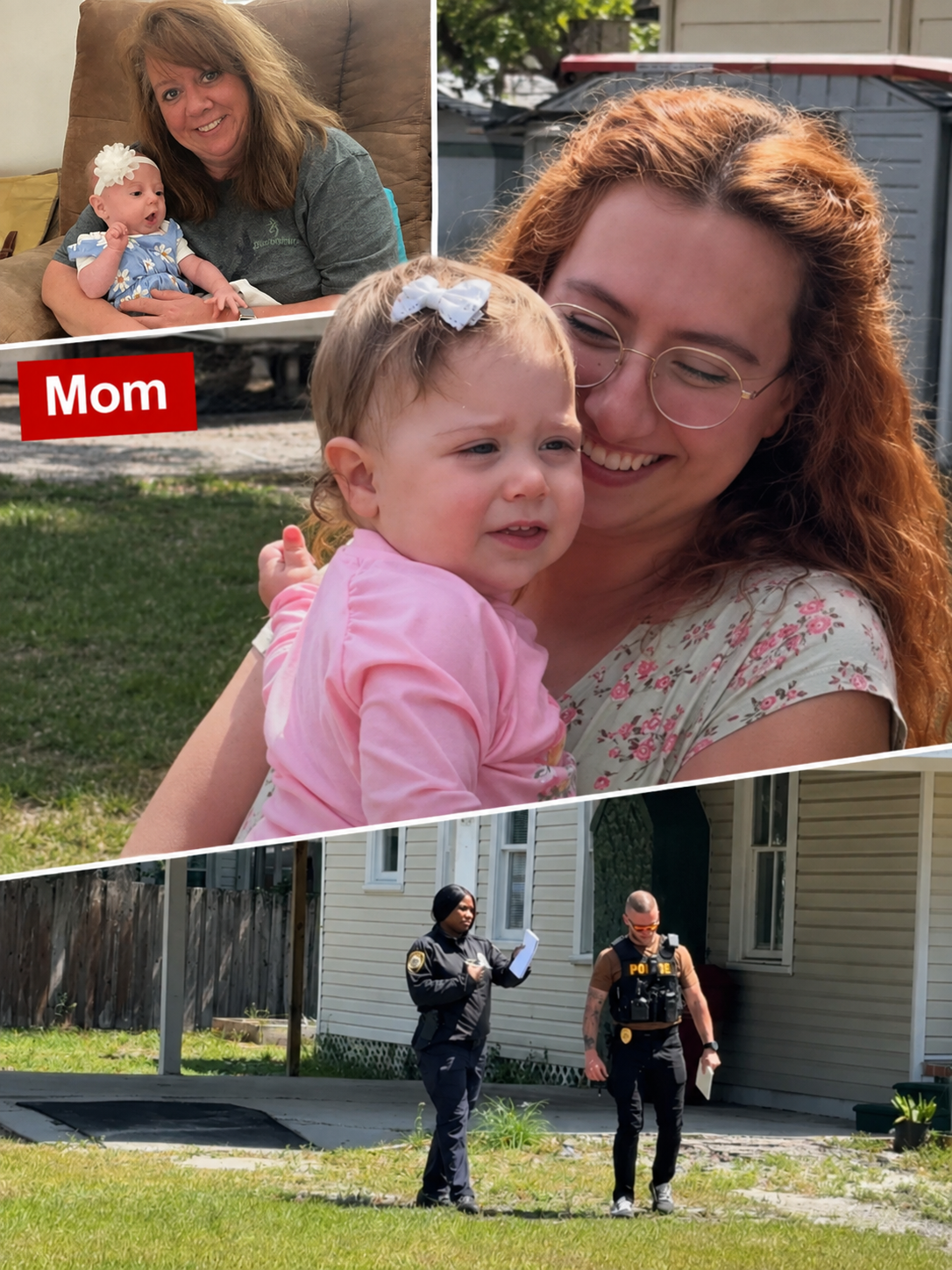
In the days before a Florida family tragedy, police were called to the same household multiple times. There were arguments, fears about a possible tracking device and growing tension inside the home. Officers responded, spoke with the family and left. Less than two days later, four people were dead.
THE WARNING WASN’T ONE PHONE CALL
On May 3, 27-year-old Hailey Dempsey killed her mother, Valerie DeBoe, and two of her young daughters before taking her own life, according to Plant City police.
Her 2-year-old daughter survived an attempted shooting and is now reportedly in good health with relatives.
But investigators later discovered that police had already been called to the family home several times in the preceding two days.
That detail has become one of the most haunting parts of the investigation.
 FIRST CAME THE ARGUMENT
Police initially responded to a dispute involving Dempsey and her husband.
According to investigators, the argument concerned explicit material discovered on the husband’s phone and accusations surrounding their relationship.
Officers reported no violence or criminal activity at the time.
Dempsey subsequently left the home with her mother and children and stayed at a hotel.
At that moment, there was no clear indication of the tragedy that would follow.
THEN ANOTHER CALL
Police were contacted again after Dempsey became concerned that a tracking device had been placed on her vehicle.
Officers investigated.
They reportedly found no tracking device.
Again, the immediate concern appeared to have been resolved.
But the sequence of calls was becoming increasingly unusual.
THEN SHE RETURNED HOME
The following day, police were called again when Dempsey returned to the house to collect clothing while her husband was away.
Authorities also said she and her husband later spoke at a local library.
Nothing at those encounters, investigators said, gave officers a clear basis to predict what would happen next.
And that is where this case becomes particularly difficult to understand.
 LESS THAN 48 HOURS LATER
Early on May 3, the situation changed completely.
Police say Dempsey had left the house with her three children.
She was later seen walking through the neighborhood.
Eventually, investigators say, she hid behind trees near another property.
There, police say, she shot her 4-year-old and 4-month-old daughters.
She also attempted to shoot her 2-year-old daughter but missed.
The surviving child was later rescued.
HER MOTHER WAS ALSO KILLED
Investigators determined that Dempsey had also shot and killed her mother inside the family home.
Valerie DeBoe, 55, had been staying with the family.
By the time police began piecing together the entire sequence, four people were dead.
The investigation continued for approximately three months.
THE HUSBAND WAS INVESTIGATED — THEN CLEARED
Because of the circumstances, investigators initially examined Dempsey’s husband, Jay Dempsey.
Police detained him while executing a search warrant.
But detectives reconstructed his movements and determined that he was traveling back to Plant City from a friend’s home in Lakeland when the shootings occurred.
Authorities ultimately ruled him out as a suspect.
He was never arrested or charged in connection with the killings.
WHAT DID POLICE MISS?
This is perhaps the most difficult question surrounding the case.
Not because officers necessarily had enough information to predict a murder-suicide.
They didn’t.
The calls reportedly involved arguments, relationship concerns and fears about being tracked — circumstances that can occur without escalating into violence.
But viewed afterward, the sequence looks dramatically different.
Police were called.
The family separated temporarily.
Concerns continued.
Police returned.
And then the unimaginable happened.
AUTHORITIES POINTED TO POSSIBLE MENTAL-HEALTH ISSUES
Plant City Police Chief Richard Mills said investigators found indications that Dempsey may have been experiencing serious mental-health problems.
Another report said investigators were examining the possibility of postpartum psychosis.
Police also said Dempsey had previously texted her husband that she was struggling while alone with the children and described having a “nervous breakdown.”
But mental illness should not automatically be treated as an explanation for a violent act.
The exact reasons for Dempsey’s actions remain a matter for the investigation and available evidence.
THE SURVIVING CHILD
Perhaps the most heartbreaking element is that one child survived.
The 2-year-old reportedly escaped the attempted shooting and was later found safe.
She is now in the care of relatives.
One little girl survived a tragedy that claimed her grandmother and two sisters.
And she will eventually grow up with questions about the family she lost.
THE QUESTION LEFT BEHIND
The police response timeline does not necessarily mean authorities could have prevented the killings.
There was no reported arrestable offense during those earlier visits.
No reported weapon incident.
No confirmed threat of murder.
No clear warning that four lives were about to be lost.
That distinction matters.
Because hindsight can make warning signs appear obvious when they weren’t.
But the timeline still raises an uncomfortable question for investigators, mental-health professionals and communities everywhere:
How do you recognize the moment when a family crisis is no longer just an argument — but a genuine emergency?
That may be one of the most important questions to emerge from this tragedy.
Police responded.
The family was struggling.
A child survived.
And now investigators are left reconstructing the final days of a family whose crisis escalated with devastating speed.
Independent commentary based on police statements and current reporting. The reported mental-health factors and sequence of events should not be treated as proof of motive unless established by investigators or medical evidence.