Teen Who Was Declared Beyond Recovery Amazished Doctors With an Unexpected Comeback
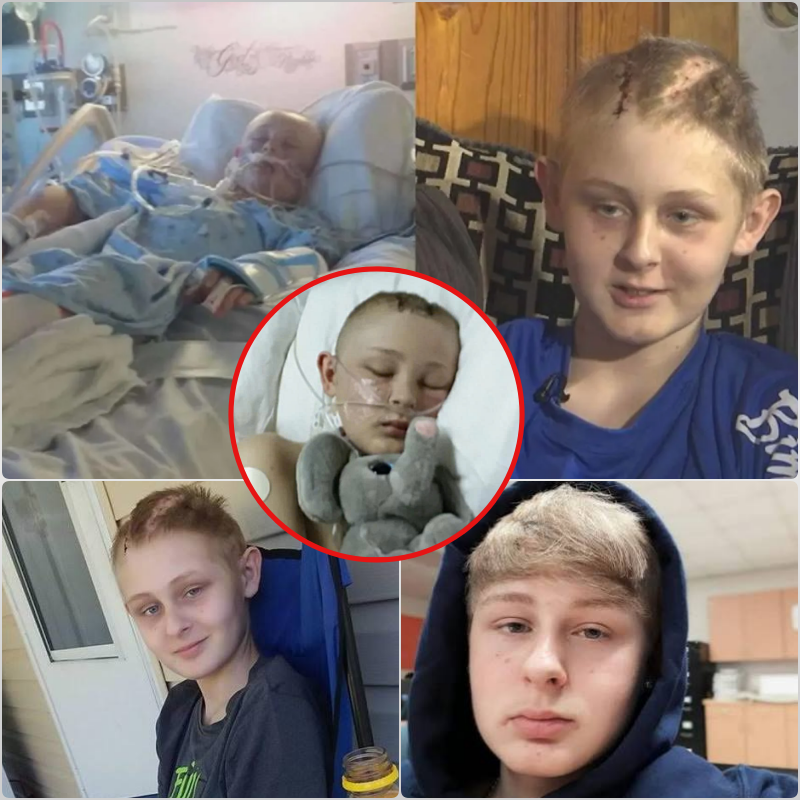
In March 2018, 13-year-old Trenton McKinley was involved in a devastating accident at a friend’s home in Mobile, Alabama. He was riding in a small utility trailer being pulled by a dune buggy when the driver suddenly braked. The trailer overturned, sending Trenton crashing onto the concrete before the trailer landed on him.
His injuries were catastrophic. According to his family, Trenton suffered seven skull fractures and was left critically ill. His heart stopped, and his mother, Jennifer Reindl, later said doctors were able to restart it after about 15 minutes. Medical staff warned the family that even if he survived, he might never return to his previous condition.
After undergoing multiple surgeries, Trenton remained unresponsive. His condition was so grave that his family was told doctors might eventually have to stop resuscitation efforts if his heart stopped again.
At the same time, doctors determined that his organs could potentially help five children awaiting transplants. Believing there was little hope for her son, Jennifer signed paperwork allowing his organs to be donated.
Then something completely unexpected happened.
The day before a planned test that could have determined whether he had suffered irreversible brain damage, Trenton’s condition suddenly changed. His vital signs improved, and his family noticed movement in his hand and feet. The planned test was called off.
His recovery continued to surprise everyone around him. Within several weeks, he was reportedly able to talk, read, perform math and even shoot basketballs from his wheelchair.
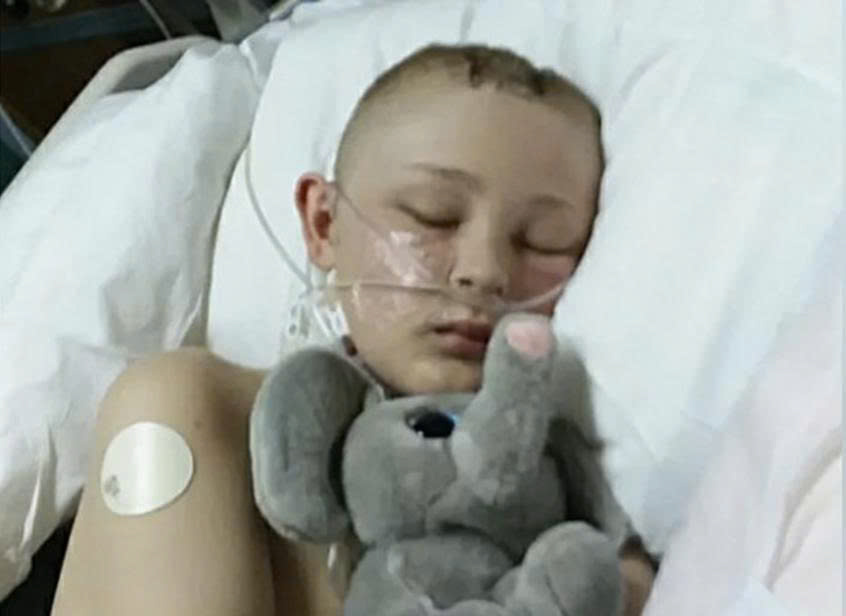
Trenton later described having a vivid memory from his period of unconsciousness. He said he remembered walking through an open field and believed he had experienced heaven.
His road to recovery was far from easy. He underwent additional skull surgeries, experienced seizures and nerve pain, and spent months without part of his skull while doctors preserved the removed section until it could eventually be replaced.
The case attracted widespread attention, although the hospital did not publicly provide detailed information about Trenton’s medical treatment. Much of what has been reported about his experience came from his family.
Through it all, Trenton reportedly maintained his sense of humor. At one point, he joked about the temporary opening in his skull, saying he could tilt his head and use it like a salsa bowl.
His story became a remarkable example of an unexpected recovery following a devastating brain injury—and a reminder of how difficult it can be to predict the course of an individual patient’s recovery.