THE MARKER WASN’T LIT? STEPHEN SCHNEIDER’S DEFENSE RAISES A CRUCIAL QUESTION
THE MARKER WASN’T LIT? STEPHEN SCHNEIDER’S DEFENSE RAISES A CRUCIAL QUESTION
A single channel marker has become an unexpected focus in the case against Stephen Schneider, the grandfather accused of operating a boat under the influence when a nighttime collision on Barnegat Bay resulted in the deaths of his two grandchildren.
The defense is now questioning whether the navigation marker was properly illuminated — a technical issue that could become important as the case moves forward.
 WHAT HAPPENED THAT NIGHT?
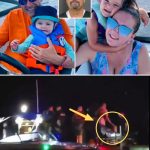
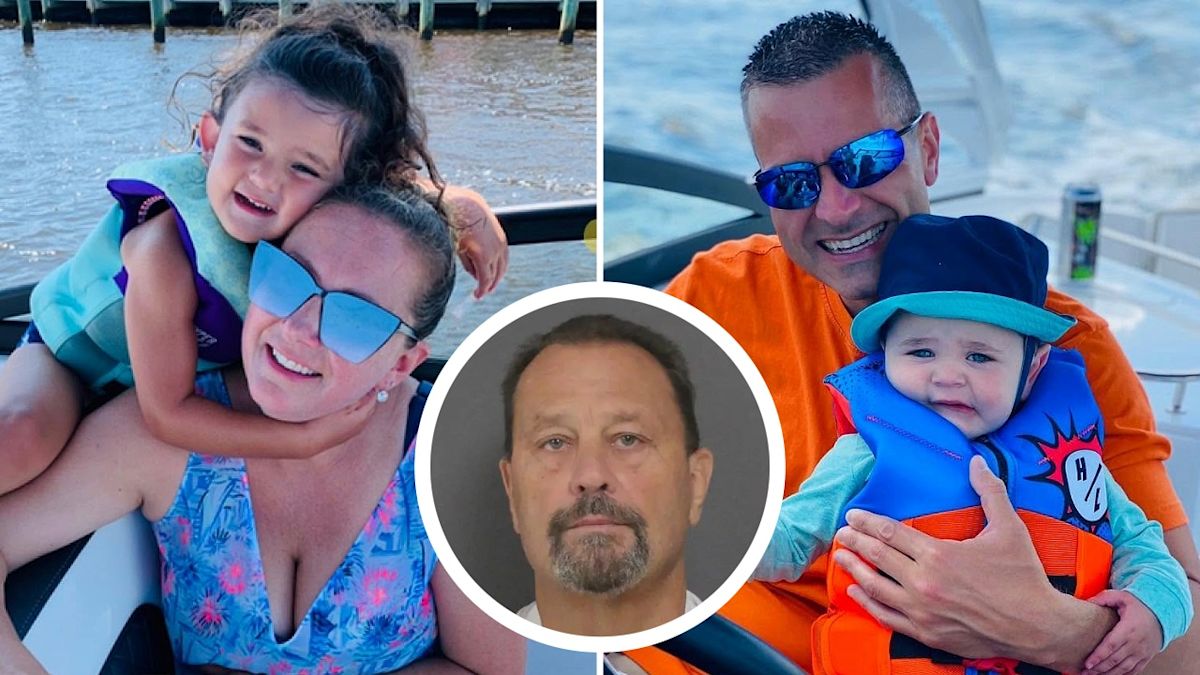
On July 19, 2026, Schneider was piloting a roughly 30-foot Tidewater Custom boat on Barnegat Bay when the vessel struck Intracoastal Waterway Channel Marker 39.
His grandchildren, 9-year-old Mya Golabek and 7-year-old Sigmund “Siggy” Golabek, were thrown from the boat.
Both children were wearing life jackets, but neither survived.
THE PROSECUTION’S KEY EVIDENCE
According to court documents, Schneider told investigators that he had consumed three beers over approximately two hours before operating the boat.
After the crash, authorities recorded a blood-alcohol concentration of 0.16% — twice New Jersey’s legal limit.
Prosecutors argue that the reading demonstrates significant impairment and is central to their allegations that Schneider operated the vessel recklessly.
Schneider faces two counts of reckless vessel homicide, along with charges of operating a vessel under the influence and reckless operation.
 THEN THE DEFENSE RAISED THE MARKER QUESTION
During the detention hearing, Schneider’s attorney William Cunningham argued that it remained unclear whether the light on the channel marker was actually working.
If evidence eventually shows that the marker was not properly illuminated, the defense could argue that visibility and navigation conditions contributed to the collision.
That could become an important issue when a jury considers exactly what Schneider could see and whether his conduct met the legal standard for the charges.
BUT THERE IS A MAJOR DISPUTE
The claim that the marker was unlit has not been established as fact.
Immediately after the crash, a local official said Marker 39 was fully functioning and its lights were working that night.
Police have also said the marker’s lights were functioning properly.
So at this stage, the question is not:
“Was the marker definitely unlit?”
It is:
“Can the defense establish that the marker’s lighting or visibility was inadequate?”
That distinction could matter enormously in court.
A TECHNICAL ISSUE AGAINST A POWERFUL PIECE OF EVIDENCE
The defense’s argument does not erase the prosecution’s evidence regarding Schneider’s reported alcohol consumption or the 0.16% BAC.
Instead, it appears to challenge part of the prosecution’s explanation for how the collision occurred.
If the defense can establish that the navigation aid was difficult to see despite being illuminated, it could argue that the circumstances were more complicated than impairment alone.
Prosecutors, meanwhile, can point to the BAC evidence and argue that a sober operator should have been able to safely navigate the marked waterway.
SCHNEIDER HAS BEEN RELEASED AHEAD OF TRIAL
A judge recently ordered Schneider released from custody pending trial.
The decision came despite prosecutors arguing that the 0.16% BAC demonstrated the seriousness of the alleged impairment.
As conditions of his release, Schneider is prohibited from operating a boat or motor vehicle and must undergo a court-ordered evaluation.
TWO CHILDREN. ONE COLLISION. A CASE WITH MULTIPLE QUESTIONS.
The tragedy itself is not in dispute: Mya and Sigmund were thrown from their grandparents’ boat and lost their lives.
What remains for the courts to determine is why the collision happened and who should bear legal responsibility.
Was alcohol the decisive factor?
Was visibility a contributing issue?
Or will investigators ultimately determine that several factors combined to produce the catastrophic crash?
THE MARKER MAY BE ONE PIECE OF THE PUZZLE — BUT IT IS NOT YET A PROVEN DEFENSE.
For now, authorities say the marker was functioning.
The defense says its visibility deserves closer examination.
And with a 0.16% BAC also at the center of the prosecution’s case, the coming legal battle could turn on how a jury weighs these competing pieces of evidence.