Before E.T. Became a Phenomenon, Universal Quietly Showed It to Michael Jackson and Richard Pryor for One Specific Reason
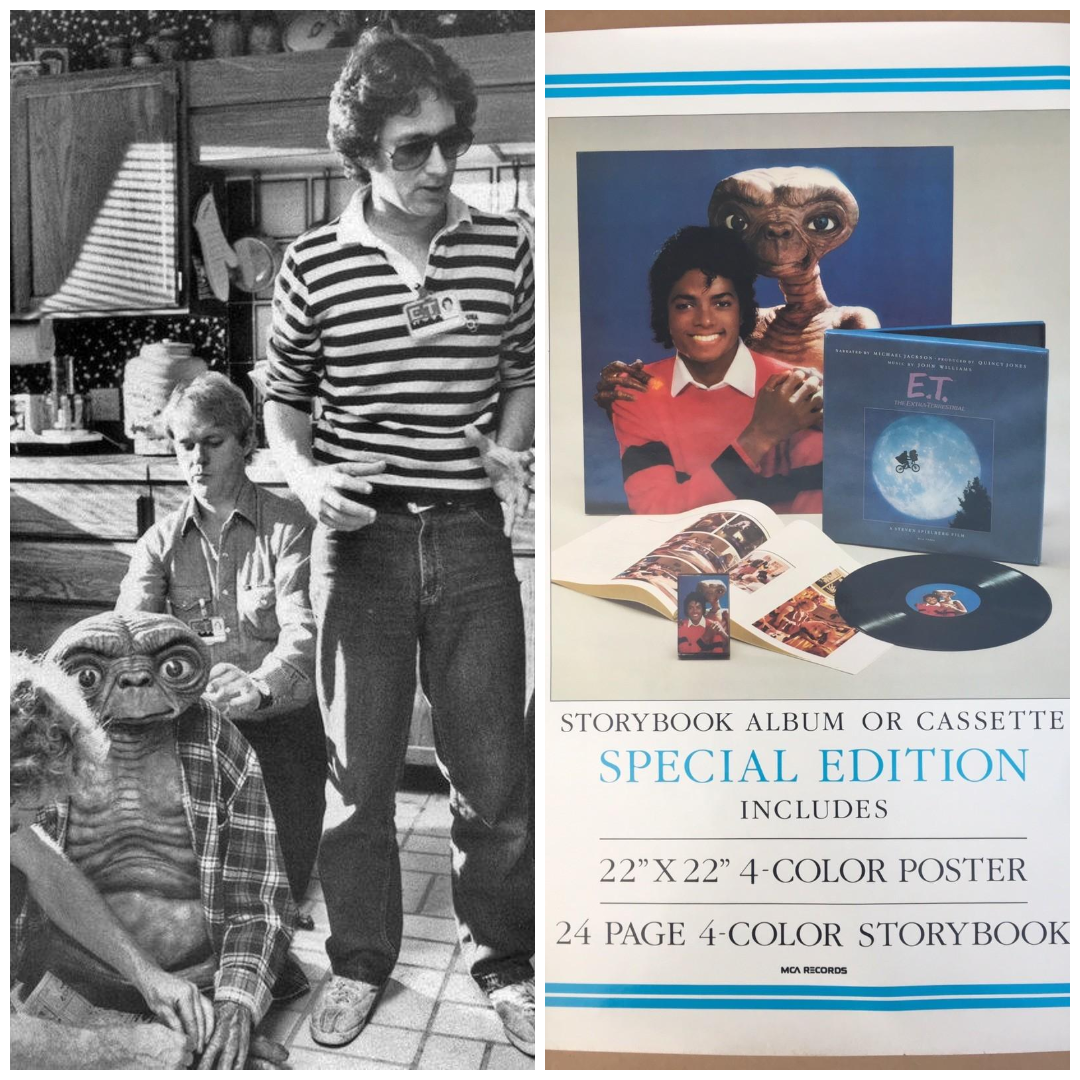
Long before E.T. the Extra-Terrestrial became one of the most beloved movies of the 1980s, Steven Spielberg and Universal Pictures had a question they could not answer from inside a studio office.
Would the movie connect with Black audiences?
The concern was specific. E.T. centered largely on a white suburban family, and the studio was preparing to release a movie whose cast offered little racial diversity at a time when Universal needed to know whether its emotional appeal would reach beyond the world shown on screen.
So before most moviegoers had seen Elliott ride his bicycle across the moon or watched E.T. point toward the sky and ask to “phone home,” Universal arranged an unusually revealing test.
Two of the people invited to see the film privately were Michael Jackson and Richard Pryor.
According to a newly surfaced account from former Universal executive Thom Mount, Spielberg wanted reactions from people of color before the movie opened.
The response from Jackson and Pryor could hardly have been more reassuring.
“They were both crying,” Mount recalled.
Spielberg Wanted an Answer Before Release
The story appears in Stranded on Earth, an upcoming book built around new interviews with people who worked with Spielberg and were involved in the making and release of E.T.
Mount, who was a Universal executive during the period, remembers the studio wrestling with how the movie would play to audiences outside the demographic represented by its central family.
Today, that anxiety may seem strange.
E.T. became such a universal cultural reference that it can be difficult to imagine anyone questioning whether audiences would connect with it.
But before release, nobody knew what the movie would become.
Universal had an unusual science-fiction film centered on a lonely child, a stranded alien and a family coping with separation. Much of its power depended not on action but on emotion.
Spielberg apparently wanted to know whether those emotions could overcome the narrow racial makeup of the cast.
Mount’s solution was to bring in people whose reactions the studio would take seriously.
Among them were two enormous cultural figures.
Michael Jackson and Richard Pryor Saw It Early
By 1982, Richard Pryor was already one of America’s most influential comedians and movie stars.
Michael Jackson, meanwhile, was entering a period that would soon make him one of the biggest entertainers on the planet.
They came from very different corners of entertainment, but both had extraordinary cultural reach.
Universal showed them E.T. before its general release.
Mount’s memory of the screening is remarkably simple.
Both men cried.
That reaction mattered because the studio’s fear was not really about whether viewers would understand the plot.
It was about emotional identification.
Would audiences who did not see themselves represented in the suburban family at the center of the movie still care about Elliott and E.T.?
Jackson and Pryor’s response suggested the answer was yes.
The friendship, loneliness and separation at the heart of the movie did not appear to require audiences to share the characters’ background.
The story was landing exactly where Spielberg hoped it would.

Their Reaction Changed the Marketing Mood
According to Mount, the private response helped calm concerns within Universal’s marketing operation.
Before the screening, there had been uncertainty about whether the movie’s predominantly white cast might limit its reach.
Afterward, the emotional reaction from Jackson and Pryor gave the studio greater confidence that E.T. could cross those boundaries.
Pryor later praised the movie publicly, helping reinforce that conclusion.
That detail gives the story additional weight.
This was not simply Spielberg inviting famous friends to an early Hollywood screening.
The screenings had a practical purpose.
The studio wanted information.
It wanted to understand how a movie built around a very specific family would be received by a much broader American audience.
Jackson and Pryor became, in effect, two exceptionally famous early viewers whose reactions helped answer that question.
It Is Hard to Imagine Universal Being Worried About E.T. Now
Looking back from more than four decades later, the uncertainty almost feels surreal.
Released in 1982, E.T. the Extra-Terrestrial became a cultural phenomenon.
The image of Elliott and E.T. flying past the moon became one of the most recognizable images in film history.
Children carried E.T. toys.
Families returned to theaters.
Lines from the film entered popular culture.
John Williams’ score became instantly recognizable.
And Spielberg’s story of a frightened alien and a lonely boy proved capable of reaching audiences across ages and backgrounds.
But none of that was guaranteed when the studio was preparing the release.
Films that later feel inevitable often looked much riskier before audiences actually saw them.
The Jackson-Pryor screening is a reminder that Universal was still trying to understand exactly what it had.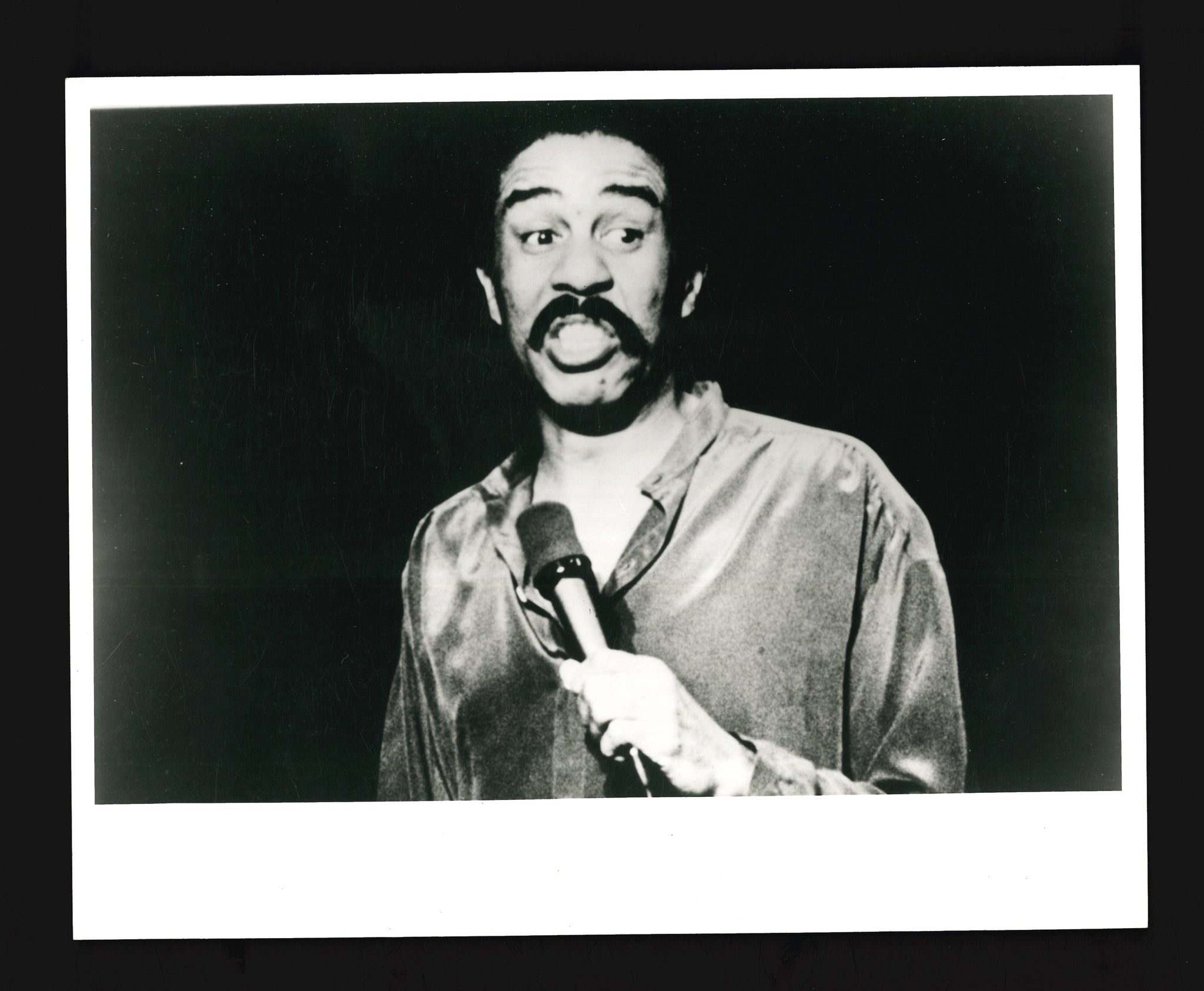
Jackson’s Connection to E.T. Did Not End There
Michael Jackson’s relationship with the movie later became much more public.
He narrated an E.T. storybook and audio project connected to the film, an unusual collaboration that linked two of the biggest pop-cultural phenomena of the early 1980s.
Jackson’s recording earned a Grammy.
That later connection has been known for years.
But the newly described private screening adds a different chapter.
Before Jackson became publicly connected to E.T. through the recording project, he had already been brought in as an early viewer whose emotional response mattered to the studio.
That is the more surprising story.
He was not simply a celebrity recruited after the movie became successful.
He had seen the film before the public did, at a moment when Universal was still asking whether the story would reach people outside the world shown on screen.
Pryor’s Reaction Was Equally Important
Richard Pryor’s presence may be even more unexpected to fans who know E.T. primarily as a family movie.
Pryor’s comedy was fearless, adult and often intensely personal.
He was hardly the obvious figure someone might associate with Spielberg’s sentimental science-fiction story.
Yet that contrast may be exactly what made his response useful.
If E.T. could emotionally overwhelm Richard Pryor, the studio had good reason to believe its appeal was not limited to children or suburban families.
Pryor subsequently spoke positively about the film on late-night television, helping turn a private reaction into public enthusiasm.
For Universal, that was valuable confirmation.

The Movie Itself Had Already Changed Dramatically
The story also fits into the unusual development history behind E.T.
Spielberg had previously explored a much darker alien concept known as Night Skies, a project with horror elements.
That idea eventually evolved away from menace and toward the emotional story that became E.T.
Instead of aliens terrorizing a family, Spielberg focused on the relationship between a child and one vulnerable extraterrestrial visitor.
The shift changed everything.
The finished movie was less about an alien invasion than about childhood loneliness, friendship and loss.
That emotional simplicity is ultimately what allowed the film to reach such an enormous audience.
And yet, shortly before release, even the people behind it were apparently still testing whether that universality would truly work.
One Private Screening Answered a Big Question
Today, E.T. is remembered as a movie almost everyone seemed to embrace.
That makes the pre-release anxiety easy to forget.
Before the box-office records, before the awards, before the toys and the endless rewatches, Spielberg and Universal were still wondering whether one aspect of the film might narrow its audience.
So they quietly showed it to Michael Jackson and Richard Pryor.
They watched.
They cried.
And according to Thom Mount, their reaction helped reassure the people preparing to sell the movie that its emotional reach was bigger than the faces appearing on screen.
Millions of viewers would soon prove them right.