Dolly Parton Knew ‘I Will Always Love You’ Might Play at Her Funeral — But She Chose a Different Song for Her Final Goodbye
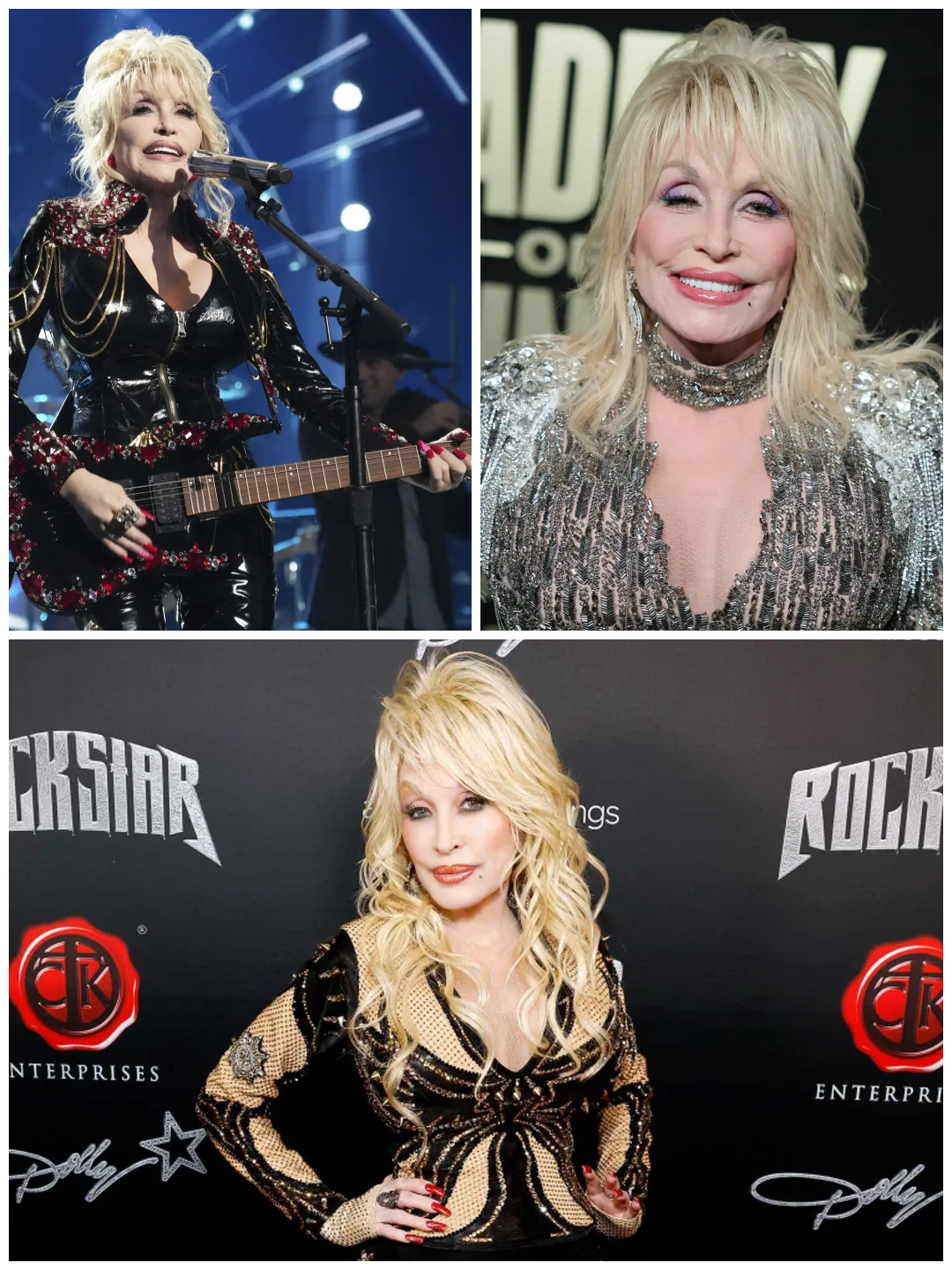
Dolly Parton wrote one of the most famous farewell songs in modern music, but when she imagined her own funeral, “I Will Always Love You” was not the song closest to her heart.
Years before her death at age 80 on Aug. 25, Parton revealed that she hoped an old country-gospel hymn called “If We Never Meet Again” would be sung when her family eventually gathered to say goodbye.
Her reason had little to do with chart success, awards or celebrity.
The song belonged to her family.
It had been a favorite of her father, Lee Parton, and the family sang it at his funeral after he died in November 2000. For Dolly, its words about separation on Earth and reunion in heaven carried a meaning that was far more intimate than even her biggest hits.
She Expected Her Biggest Farewell Song Would Be There Too
Parton discussed the subject in a 2014 interview, more than a decade before her death.
She understood that “I Will Always Love You” would almost certainly become part of the public mourning surrounding her someday.
It was an obvious choice.
Parton had originally written the song while preparing to leave The Porter Wagoner Show, where Porter Wagoner had been her longtime creative partner. It was meant as an affectionate goodbye rather than an angry breakup.
The song later took on an entirely different life when Whitney Houston recorded it for the 1992 movie The Bodyguard. Houston’s soaring version became a worldwide phenomenon and helped transform something Parton had written during a deeply personal career transition into one of the most recognizable songs of all time.
Parton had already experienced what it felt like to hear that song used as a final farewell.
After Houston died, “I Will Always Love You” was played at her funeral in 2012.
Parton later recalled that the moment hit her powerfully. When Houston’s coffin was lifted and the song began playing, the reality of the singer’s death suddenly became overwhelming.
Parton cried.
She understood that the same song might someday accompany her own goodbye.
But when she was asked what she personally wanted, she reached much further back.:max_bytes(150000):strip_icc():focal(729x301:731x303):format(webp)/dolly-parton-100825-1223d79935054df994e63439e898b56e.jpg)
The Song Dolly Wanted Came From Church and Family
“If We Never Meet Again” was not connected to one of Parton’s blockbuster films or career-defining performances.
It was an old country-gospel church song.
Its message centers on the hope that even if loved ones are separated permanently in this life, they will meet again beyond it.
Parton remembered imagery in the song about meeting on a beautiful shore, in a place where flowers continue blooming and separation no longer exists.
That promise clearly mattered to her.
“This side of heaven” might bring goodbye, but the song imagined goodbye as temporary.
And for Parton, the hymn carried the voice of her father with it.
She said it had been her daddy’s favorite. After Lee Parton died in November 2000, the family sang it at his funeral.
Parton wanted the same song sung at hers.
That wish takes on added significance in light of how frequently Parton spoke about faith, family and reunion.
When her nephew Bryan Seaver announced her death on Aug. 25, he described the family’s belief that she had been reunited with those she had lost.
Seaver specifically mentioned Parton’s husband Carl Dean, her parents and others who had gone before her.
Dean had died in March 2025 after a marriage that lasted nearly six decades.
In the months afterward, Parton spoke about grief as well as health problems she said she had neglected while caring for him.
Her Nephew Had Been Given a Difficult Assignment Years Earlier
Seaver’s role in announcing Parton’s death was itself something she had planned in advance.
He said his aunt had asked him years earlier to make the announcement when the time eventually came.
Seaver had served as Parton’s head of security for more than 20 years, following his father, Larry, in the position. But his relationship with Parton extended far beyond his professional responsibilities.
She was his aunt.
And as he shared the news with the world, he reflected on how far her influence had reached beyond their family.
Parton, he said, had opened doors for singers, songwriters, musicians and dreamers across generations and countries.
It was an enormous public legacy for someone whose preferred funeral song was rooted in such a private family memory.:max_bytes(150000):strip_icc():focal(749x0:751x2):format(webp)/dolly-parton-050426-284ba6a89a75445091c4b94e8e2e4c4c.jpg)
Four Days Before Her Death, Dolly Was Still Planning Ahead
Parton’s thoughts about mortality were never the same thing as giving up on life.
That distinction became particularly striking during her final days.
On Aug. 21, only four days before she died, Parton discussed the health problems she had been facing.
She acknowledged that she had neglected some of those concerns while caring for Dean.
Still, she emphasized that she remained at work.
Even while healing, she said, she had projects she wanted to finish and ideas she wanted to see become reality.
Parton had expressed a similar concern previously: not fear of aging itself, but the possibility that she might run out of time before completing everything she dreamed of doing.
She said new dreams continued arriving and that she tried to build her projects in ways that would allow them to continue after she was gone.
That attitude had been visible throughout a career stretching back to her 1967 debut album, Hello, I’m Dolly.
Along the way came “Jolene,” “9 to 5,” “I Will Always Love You” and a career that expanded from music into movies, television, business and philanthropy.
Yet Parton understood that “I Will Always Love You” held a unique place among everything she created.
After Houston turned the song into a global hit, Parton said its enormous success helped her recognize the true value of her songwriting gift.
The little song she had written had traveled around the world.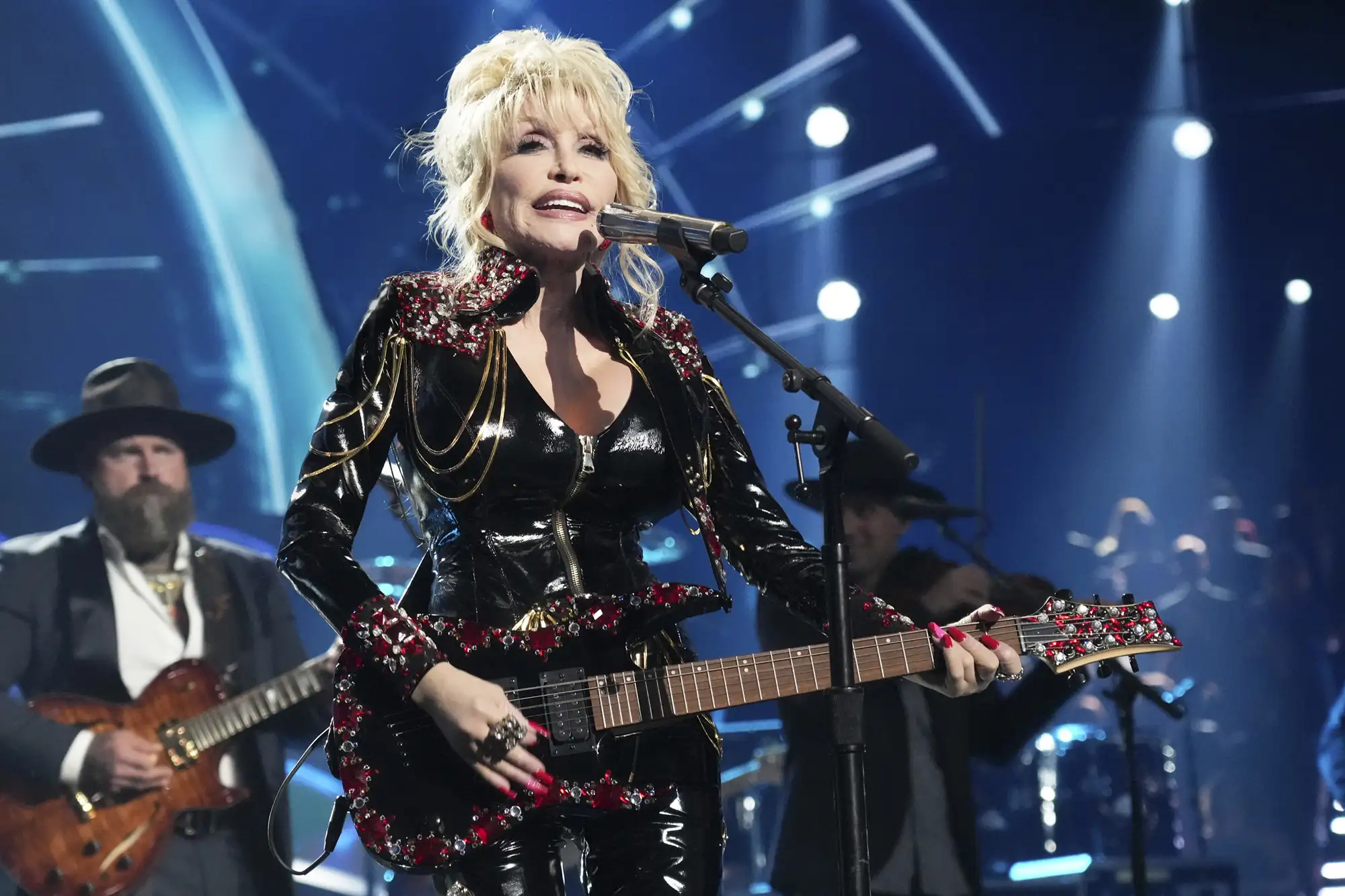
Her Final Choice Was More Personal Than Famous
There is something fitting about the contrast between the two songs Parton associated with her eventual funeral.
“I Will Always Love You” represented the Dolly Parton the world knew.
It was written by her, carried her emotional directness and became part of popular culture on a scale few songs ever achieve.
“If We Never Meet Again,” however, belonged to something older and more personal.
It connected her to church, childhood, her father and a belief that losing someone did not necessarily mean losing them forever.
The first song had become a universal goodbye.
The second was the goodbye Dolly Parton chose for herself.
And after a lifetime spent writing songs that helped millions of people express feelings they sometimes could not put into words themselves, Parton’s own preference came down to a simple hope:
That separation would not be permanent, and that somewhere beyond this life, the people she loved would meet again.