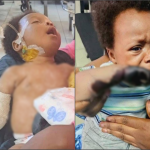
THE BOY WHOSE BONES CAN BREAK WITH THE LIGHTEST TOUCH: ROHIT, 12, LIVES WITH RARE OSTEOGENESIS IMPERFECTA AND FACES PAIN MOST DAYS
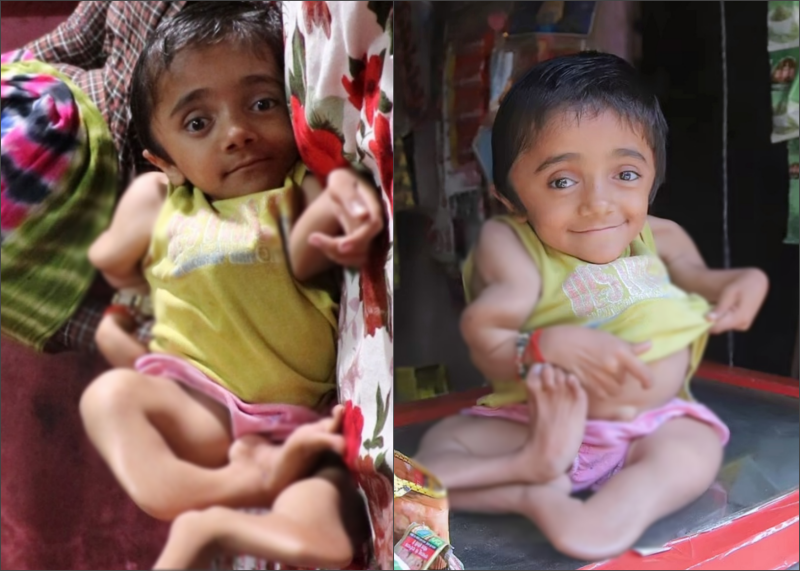
An Indian boy has experienced nearly 100 broken bones during his life, with locals nicknaming him the “glass bones” child because of his rare condition.
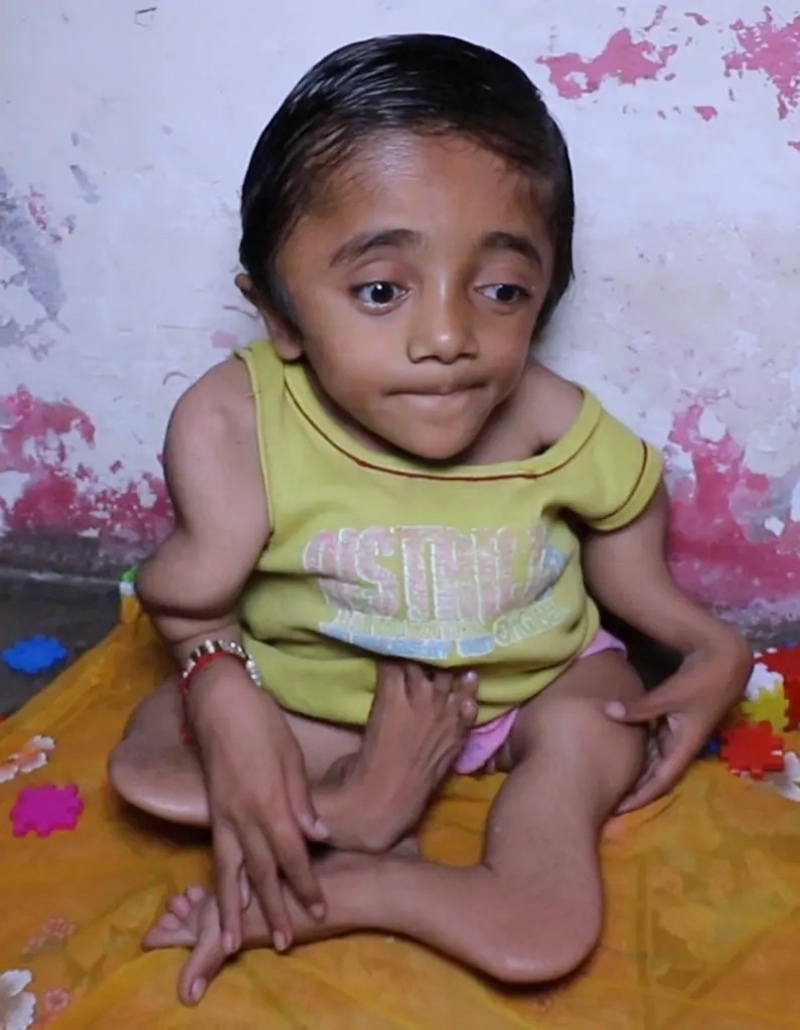
Rohit, 12, from Uttar Pradesh, India, lives with osteogenesis imperfecta, more commonly known as “brittle bone disease.”
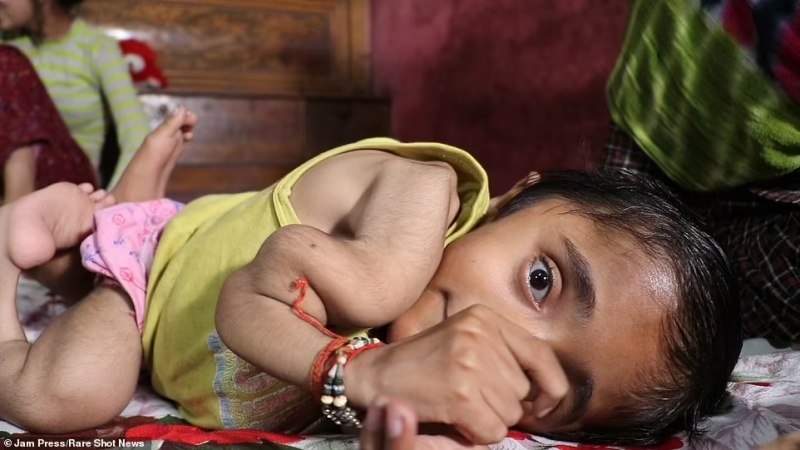
His case is one of the most severe, so even the slightest touch can cause one of his bones to break, which has left him unable to play with other children.
Rohit’s condition has also stunted his growth, with the 12-year-old weighing only 15 kg and standing 17 inches tall.
When he wakes up in the morning, he is unable to complete many tasks without help, leaving him dependent on his mother.
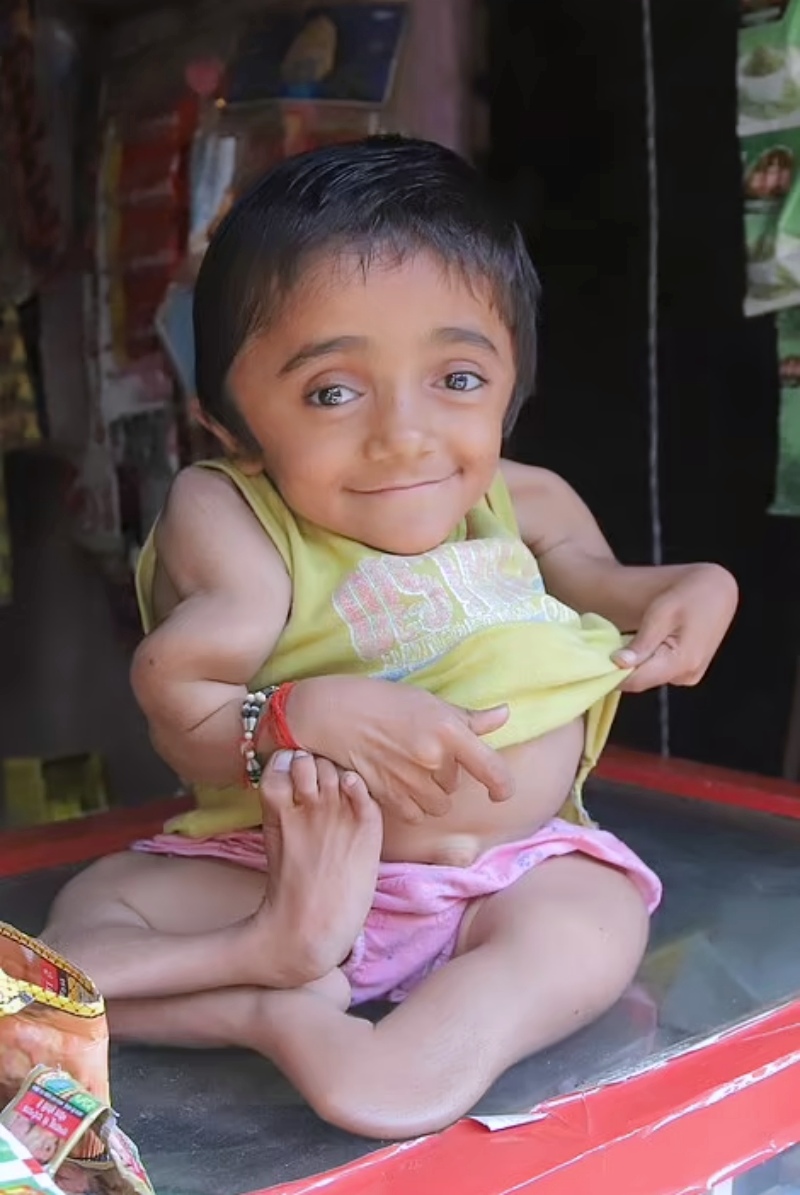
But Rohit is able to complete tasks such as brushing his teeth without assistance, adapting to his circumstances despite his severe condition.
He has broken almost 100 bones in his lifetime, an average of around eight a year.
With no school enrolling him due to his condition, Rohit is taught how to read by his older sister, and experiences significant discomfort for most of the day.
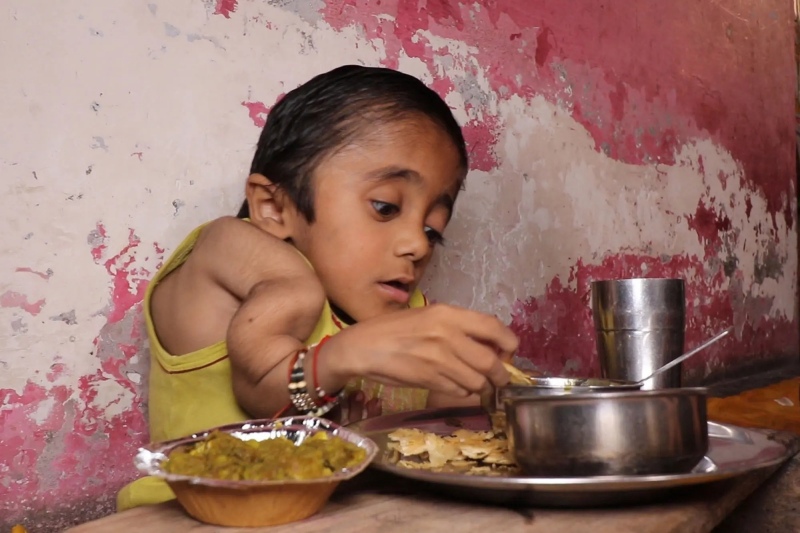
Rohit has two older siblings and is younger than both.
But despite his condition, the young child wants to become a singer when he grows up and says he won’t let his condition stand in the way.
There is no cure for osteogenesis imperfecta, but those living with the condition can seek treatment to help protect and strengthen their bones.
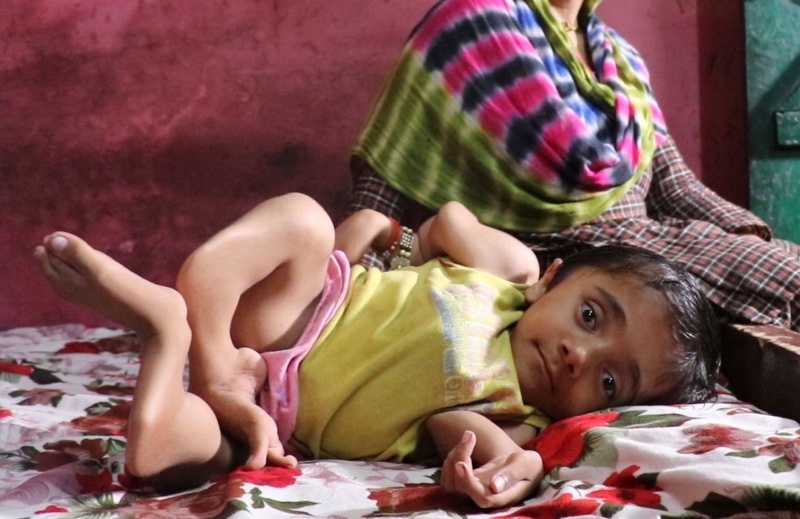
It is understood that there is currently no medical cure for “brittle bone disease,” although those living with the condition may be able to manage symptoms through calcium supplements and medications that support bone development. Even so, they may face lifelong challenges, and their bones can remain extremely fragile.
Osteogenesis imperfecta is a congenital, genetic condition caused by gene mutations and is considered rare, affecting approximately 1 in 10,000 children. Early diagnosis and appropriate medical guidance can help reduce complications and support better care.
Experts have also advised women to avoid cosmetics containing triclosan after a 2019 study in China reported that the chemical may be associated with a higher risk of developing osteoporosis.