🚨 BOMBSHELL IN LINDSAY CLANCY TRIAL: PSYCHIATRIC EXPERT MAKES STUNNING ADMISSION AS TESTIMONY ENDS
🚨 BOMBSHELL IN LINDSAY CLANCY TRIAL: PSYCHIATRIC EXPERT MAKES STUNNING ADMISSION AS TESTIMONY ENDS
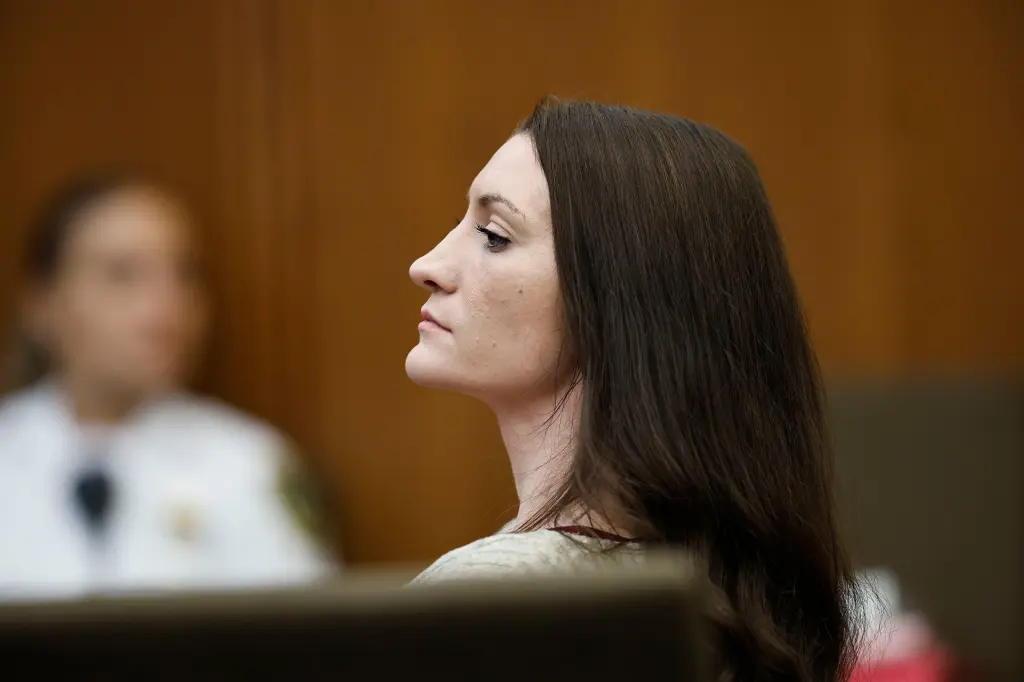
A shocking moment inside the courtroom has added a new layer of complexity to the Lindsay Clancy murder trial.
After weeks of emotional testimony, the final psychiatric expert took the stand — and made an admission that immediately drew attention from both sides.
The statement came as the court examined one of the biggest questions surrounding the case:
Was Lindsay Clancy suffering from a severe mental health crisis — or did she understand the consequences of her actions?
A TRIAL CENTERED ON ONE UNANSWERED QUESTION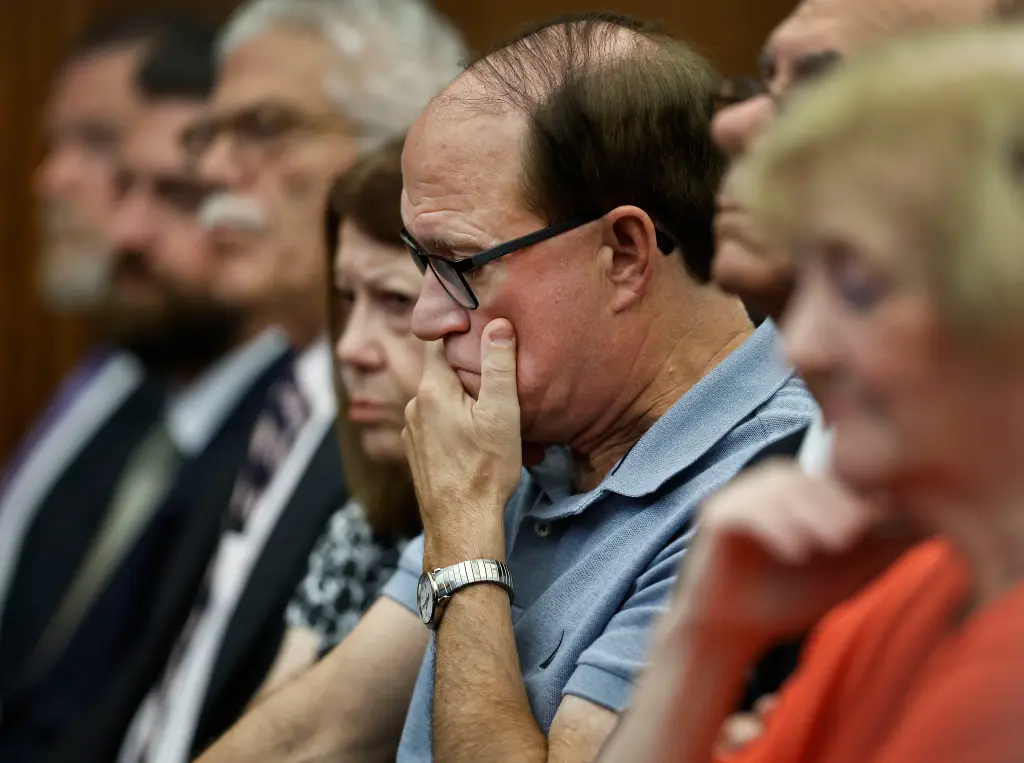
Clancy, a former nurse, is accused of killing her three young children inside their Massachusetts home in 2023.
Her defense has argued that she was experiencing postpartum psychosis, a rare but severe psychiatric condition that can cause a person to lose touch with reality. They say her mental state, combined with medication issues, left her unable to control her actions.
Prosecutors, however, have argued that Clancy was aware of what she was doing and should be held legally responsible.
THE “BOMBSHELL” COURTROOM MOMENT
During testimony, forensic psychiatrist Dr. Gregory Saathoff acknowledged that part of the prosecution’s earlier description of Clancy’s mental state did not fully reflect the severity of what she was experiencing.
“I think that statement… minimizes what she was going through,” Saathoff testified, according to reports.
The admission quickly became one of the most talked-about moments of the trial.
But Saathoff also maintained that, in his opinion, Clancy still understood right from wrong and had control over her actions at the time of the killings.
EXPERTS ON BOTH SIDES CLASH OVER HER MENTAL STATE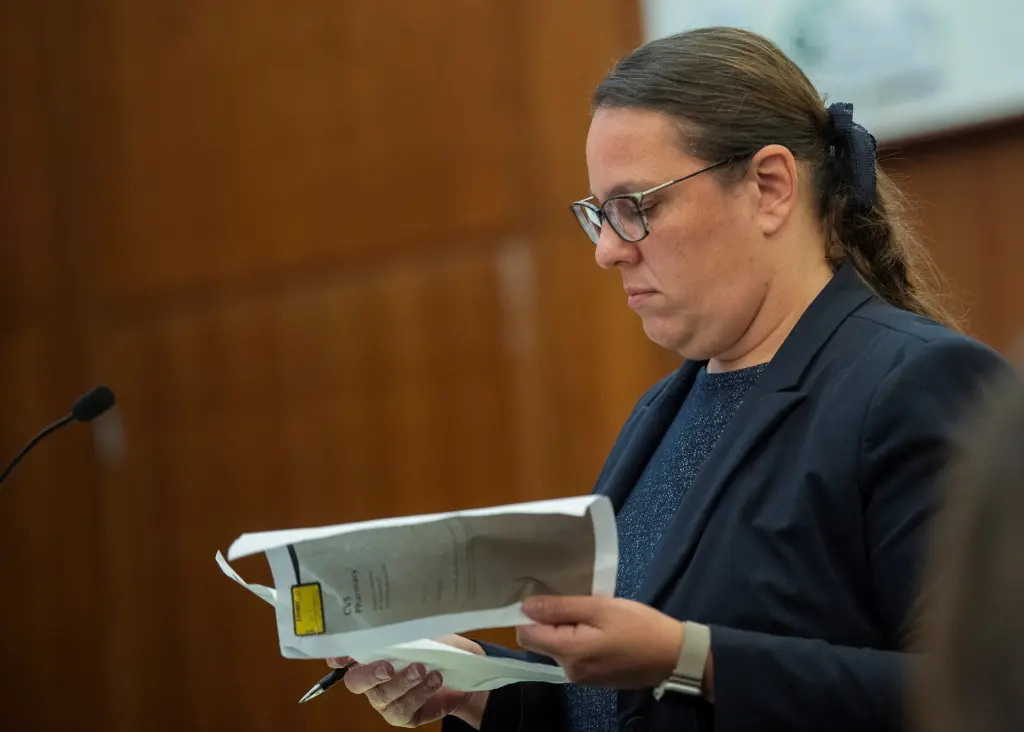
Defense experts described Clancy as being in a state of severe psychiatric illness, claiming she experienced hallucinations and believed she was acting under the influence of a distorted reality.
Prosecution experts disagreed, pointing to what they described as planning, organization, and awareness surrounding the events.
The courtroom battle has become a larger discussion about postpartum mental health, medical treatment, and how the justice system evaluates severe psychiatric disorders.
NOW THE JURY MUST DECIDE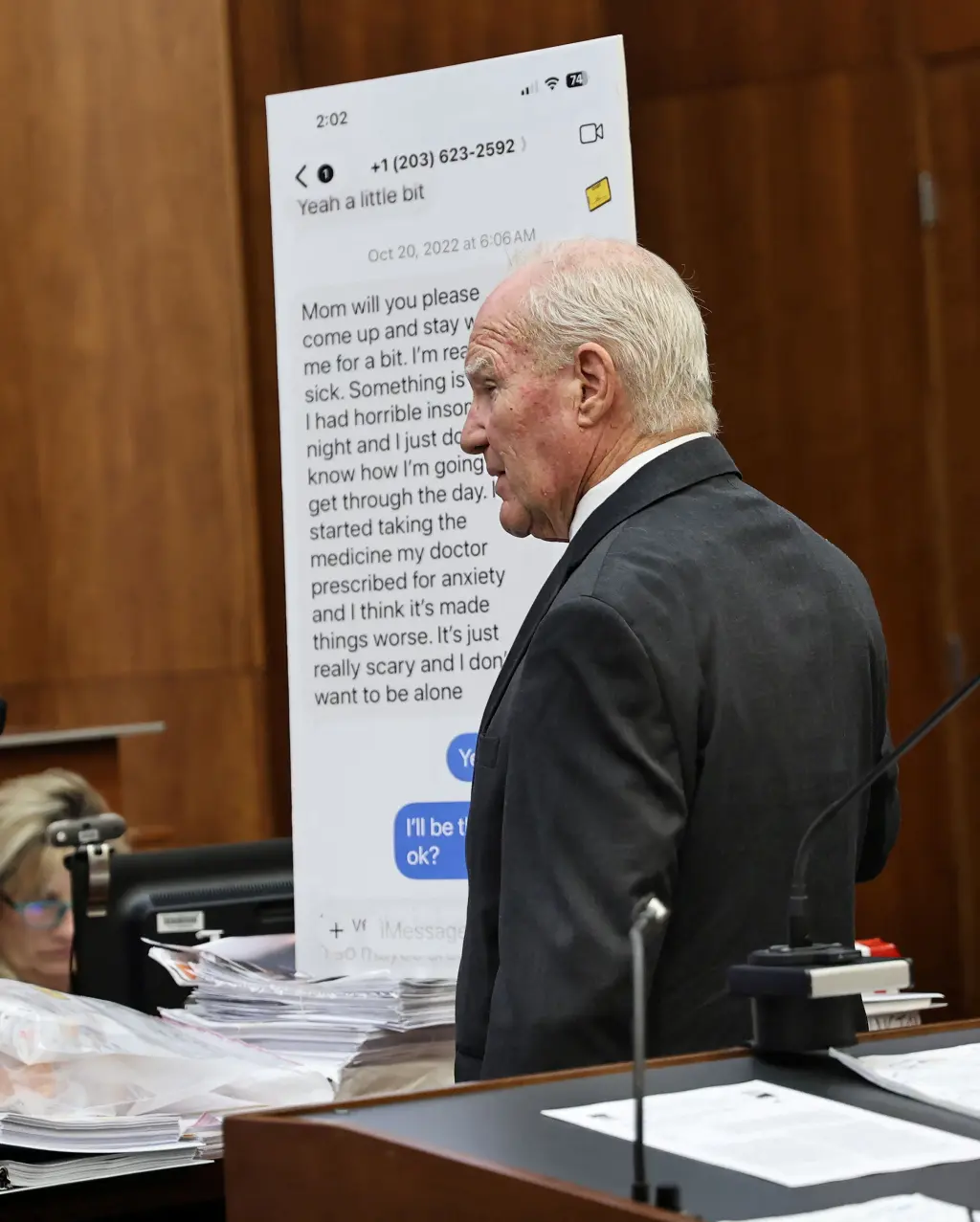
After testimony from more than 80 witnesses, the case is moving toward closing arguments and jury deliberations.
Behind the legal arguments is a tragedy that has shaken an entire community.
A mother.
Three children.
And a courtroom left trying to answer one of the most difficult questions imaginable:
Was this a horrific crime committed with awareness — or the devastating result of a mind overwhelmed by illness?