From Broadway Dancer to TV Legend: How Buddy Ebsen Turned Heartbreak Into a 95-Year Legacy of Grace, Family, and Enduring Fame
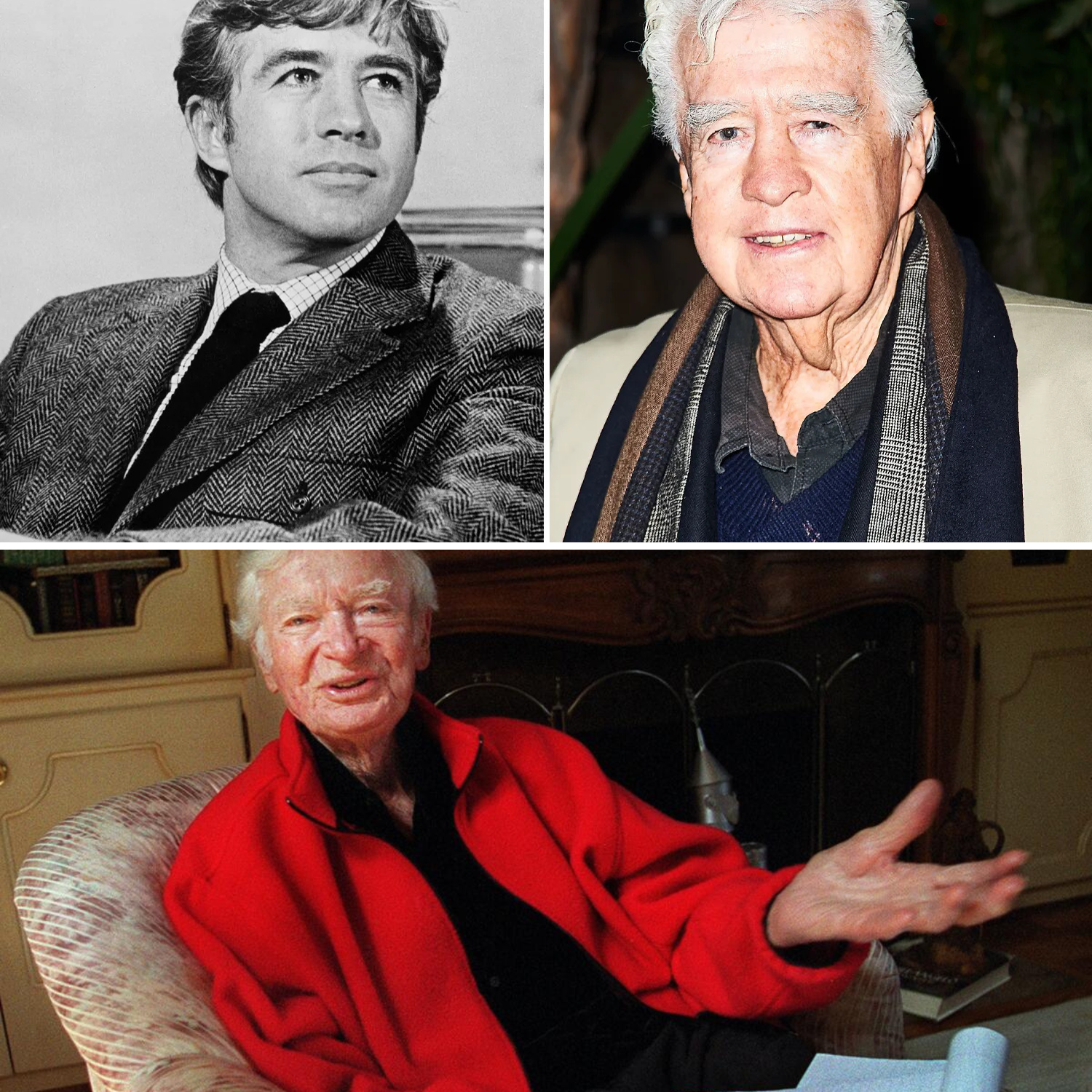
Long before millions of Americans knew him as the wise and dependable Jed Clampett, Buddy Ebsen had already lived through the kind of setback that might have ended someone else’s career. Instead of defining him, that painful chapter became only one part of a remarkable life that stretched across nearly a century—a journey marked by resilience, creativity, military service, family devotion, and unforgettable television success.
By the time audiences welcomed him into their living rooms each week on The Beverly Hillbillies, Ebsen had already spent decades proving that persistence often matters more than perfect timing.
Born Christian Ludolf Ebsen Jr. on April 2, 1908, in Belleville, Illinois, he grew up surrounded by music and dance. His father operated a dance studio, and performing quickly became part of everyday life. Although Ebsen briefly considered becoming a physician while studying in Florida, the stage ultimately won his heart.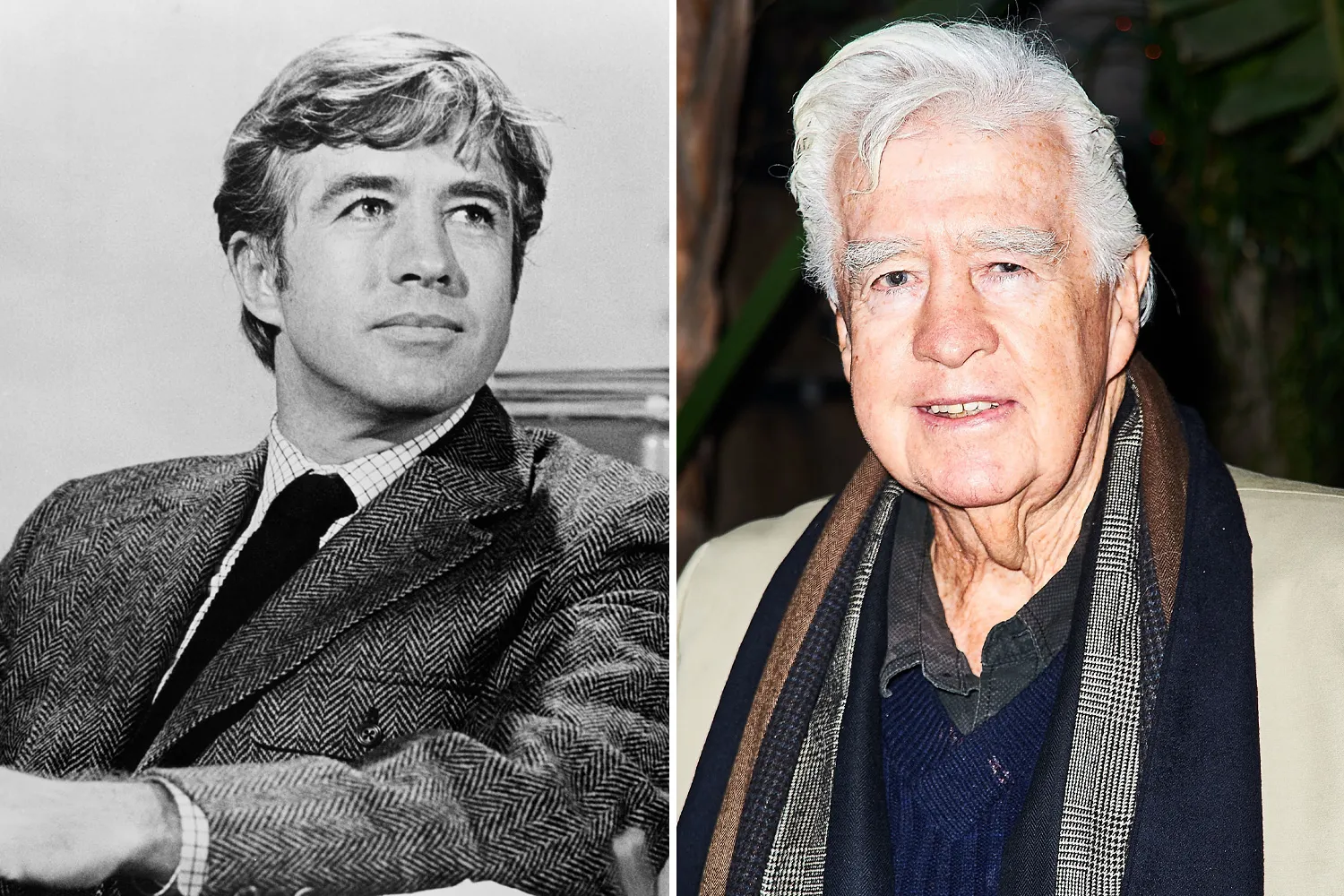
After moving to New York, he found opportunities on Broadway during the late 1920s, launching a career that showcased his extraordinary talent as a dancer. Before long, he and his sister, Vilma, were performing together, attracting attention that eventually carried them to Hollywood.
The young performer appeared in several musical films during the 1930s, dancing alongside some of the era’s biggest stars. His smooth style and lanky frame made him instantly recognizable, and success seemed to be building steadily.
Then came an opportunity that should have changed everything.
Ebsen was originally cast as the Tin Man in The Wizard of Oz, a role that promised enormous exposure. But the silver aluminum makeup used during filming triggered a severe reaction. The fine metallic dust entered his lungs, causing a life-threatening illness that forced him into intensive medical treatment.
Unable to continue production, he had to leave the film, and another actor completed the role that would become one of cinema’s most famous performances.
Losing such a high-profile part was devastating, especially after coming so close to appearing in what would become an American classic. Yet Ebsen refused to let disappointment define his future. Rather than dwelling on what had slipped away, he rebuilt his career piece by piece.
World events soon interrupted Hollywood altogether.
During World War II, Ebsen served in the United States Coast Guard Reserve. His military service reflected the same quiet determination that had carried him through earlier setbacks. While many knew him as an entertainer, those years revealed another side of his character—one rooted in duty, discipline, and commitment.
When the war ended, he returned to acting with renewed focus.
Television was rapidly becoming America’s favorite form of entertainment, and Ebsen found new opportunities that would introduce him to an entirely different generation of viewers. After appearing in Disney’s Davy Crockett productions, his career reached an extraordinary turning point in 1962.
That year, he stepped into the role that would define him forever.
As Jed Clampett, the humble mountain patriarch who unexpectedly becomes wealthy after discovering oil, Ebsen created one of television’s most beloved father figures. The Beverly Hillbillies quickly became a ratings phenomenon, with audiences embracing the Clampett family’s simple values, generosity, and humor as they adjusted to life in Beverly Hills.
Although critics often dismissed the sitcom, viewers saw something deeper.
Jed wasn’t merely a comic character. He represented honesty, kindness, patience, and common sense in a world that often valued sophistication over sincerity. Ebsen believed audiences connected with the family’s warmth because they recognized genuine decency beneath the comedy.
The show’s enormous popularity transformed him into one of television’s biggest stars, making “Jed Clampett” a household name across America.
Many actors struggle after becoming closely identified with a single iconic character. Ebsen accomplished something few manage—he successfully reinvented himself.
Only a couple of years after The Beverly Hillbillies ended, he surprised audiences again by starring as the thoughtful private investigator in Barnaby Jones. The detective series became another long-running success, proving his versatility and extending his television career well into another decade.
Instead of being remembered for only one role, Ebsen earned lasting recognition for two television classics.
Away from the cameras, however, he valued a quieter life.
Despite his celebrity status, Ebsen remained deeply committed to his family. He became the father of seven children, encouraging them to pursue their own interests rather than simply follow his path into Hollywood. While some eventually worked in entertainment, others devoted themselves to horses, charitable efforts, education, and therapeutic programs.
His influence reached beyond acting. His children often carried forward his appreciation for creativity, compassion, and service, building meaningful lives that reflected many of the qualities he demonstrated throughout his own remarkable journey.
Ebsen also explored interests that many fans rarely associated with him. Beyond acting and dancing, he enjoyed writing, painting, producing, and songwriting, revealing an artistic curiosity that extended far beyond television.
Even after decades in show business, he never seemed content to be defined by a single achievement.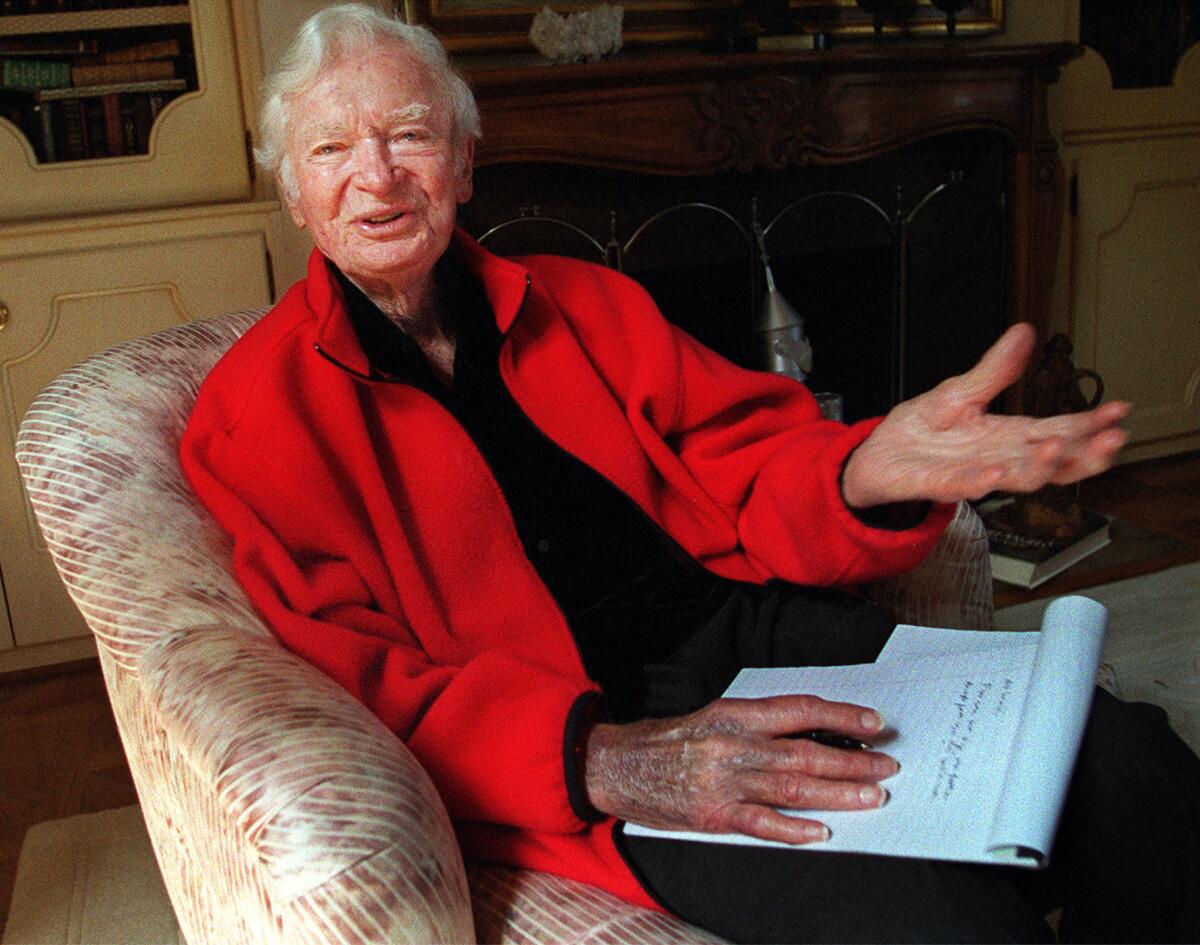
In his later years, Ebsen remained admired not only for his long list of accomplishments but also for the grace with which he handled adversity. The near-fatal illness that cost him the Tin Man role became one of Hollywood’s most famous stories of resilience, reminding generations that losing one dream does not prevent another from becoming reality.
His life offered repeated examples of reinvention.
He transitioned from Broadway dancer to film performer, from wartime serviceman to television icon, from sitcom patriarch to respected television detective. Each chapter revealed an individual willing to begin again whenever circumstances demanded it.
Buddy Ebsen celebrated his 95th birthday in April 2003, a milestone few performers achieve after spending so many decades in the public eye. Just months later, on July 6, he passed away peacefully, surrounded by his wife, children, and grandchildren.
His death marked the end of an extraordinary life, but not the end of his influence.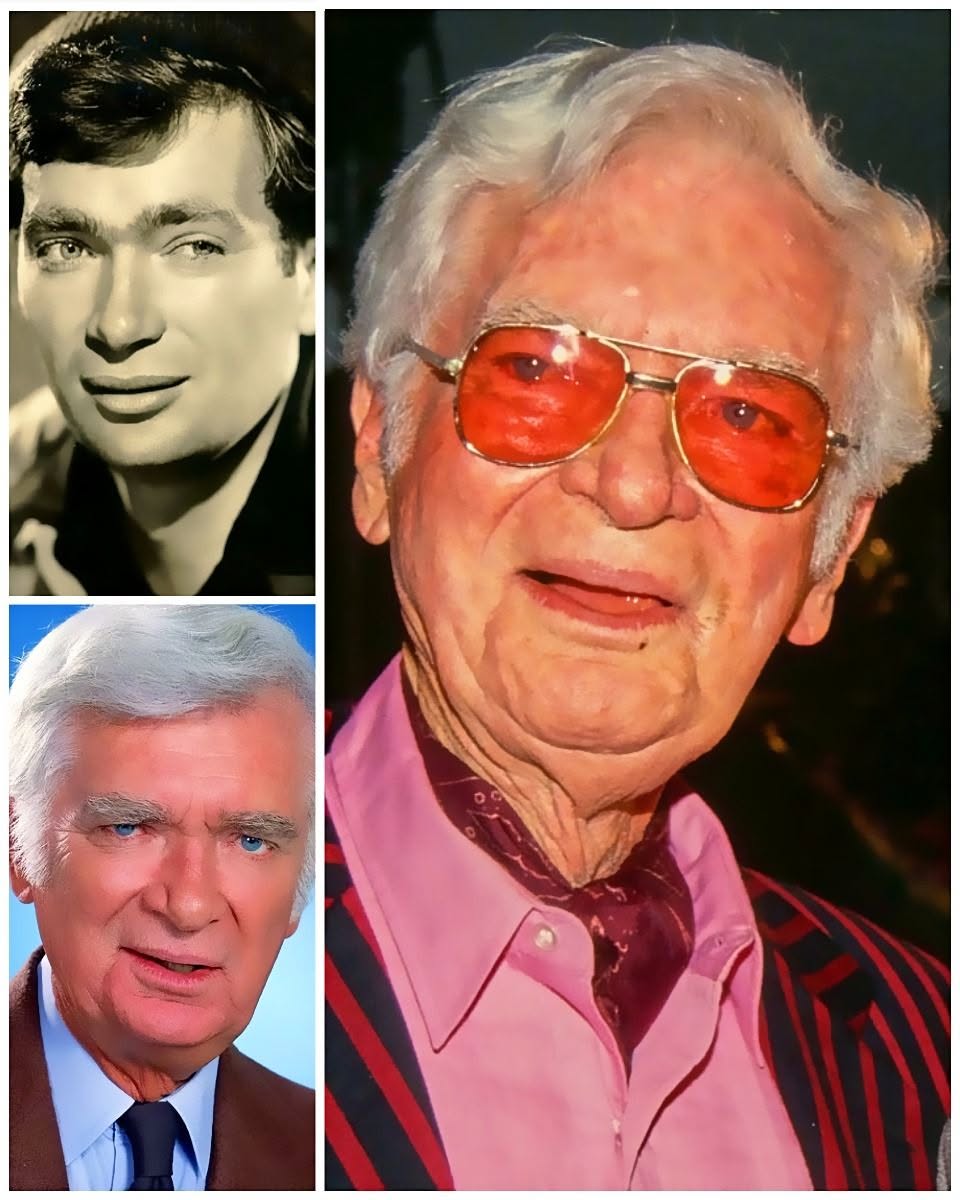
Today, audiences continue discovering his performances through classic television reruns and films, where his unmistakable warmth still shines through. Whether remembered as the steadfast Jed Clampett, the sharp-minded Barnaby Jones, or the actor who overcame one of Hollywood’s greatest professional disappointments, Buddy Ebsen’s legacy reaches far beyond any single role.
His story is ultimately one of endurance.
It is the story of a man who refused to let heartbreak become the final chapter, choosing instead to build a life filled with purpose, creativity, family, and quiet greatness—a legacy that continues to inspire long after the cameras stopped rolling.