LINDSAY CLANCY’S LAWYER CALLS HER A ‘DARN GOOD MOTHER’ AS JURY BEGINS DELIBERATIONS
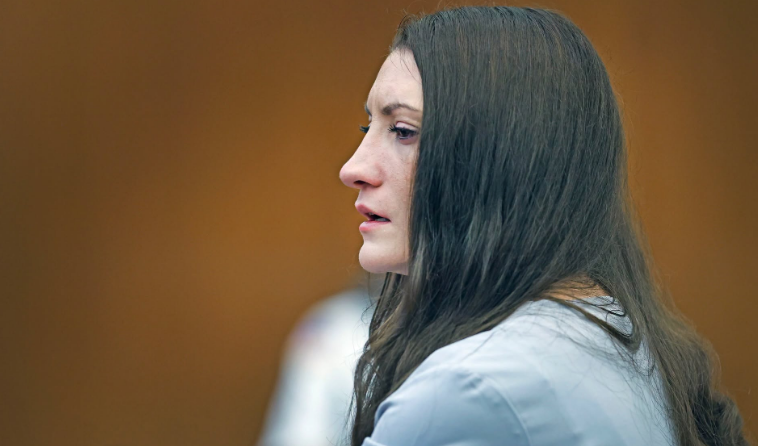
LINDSAY CLANCY’S LAWYER CALLS HER A ‘DARN GOOD MOTHER’ AS JURY BEGINS DELIBERATIONS
PLYMOUTH, Mass. — In an emotional closing argument Thursday, defense attorney Kevin Reddington urged jurors to look beyond the horrific outcome of the case and remember the woman Lindsay Clancy was before her mental health deteriorated.
Clancy, a former labor and delivery nurse, is accused of killing her three young children — 5-year-old Cora, 3-year-old Dawson and 8-month-old Callan — at the family’s Duxbury home in January 2023. She has pleaded not guilty by reason of lack of criminal responsibility.
 DEFENSE: “A DARN GOOD MOTHER”
Reddington opened his closing argument by displaying two photographs to the jury: one showing Clancy with her children and another showing her severely injured after her suicide attempt.
He argued that Clancy had repeatedly sought professional help before the tragedy and that her condition deteriorated despite her efforts to receive treatment.
“This young lady did nothing wrong in her life,” Reddington told jurors, describing Clancy as “a nurse, a daughter, a wife, and a darn good mother.”
The defense maintained that Clancy was experiencing postpartum psychosis and that inadequate psychiatric care and medication contributed to her deteriorating mental state.
Reddington also challenged the prosecution’s portrayal of Clancy’s subsequent suicide attempt, arguing that the severity of her injuries demonstrated that the attempt was genuine rather than staged.
 PROSECUTION: CLANCY KNEW WHAT SHE WAS DOING
Prosecutor Jennifer Sprague offered a dramatically different account.
She acknowledged that Clancy was struggling with depression and serious mental health problems but argued that those conditions did not prevent her from understanding that her actions were wrong.
Sprague told jurors that Clancy deliberately arranged for her husband, Patrick, to leave the house before the children were killed. Prosecutors also pointed to her communications, searches and interactions with medical providers as evidence that she remained capable of making decisions and understanding consequences.
The prosecution argued that Clancy’s decision to conceal thoughts about harming her children from medical providers was significant because she understood those thoughts were considered wrong and could have consequences.
“This was a choice,” Sprague argued, asking jurors to find Clancy criminally responsible.
THE JURY NOW HAS THE CASE
After more than four weeks of testimony from dozens of witnesses and experts, the case finally went to the jury Thursday.
Jurors were instructed that they could return several different verdicts, including not guilty by reason of lack of criminal responsibility, first-degree murder, second-degree murder or manslaughter.
The jury deliberated for several hours Thursday afternoon but did not reach a verdict before ending for the day. Deliberations are scheduled to resume Friday morning.
If Clancy is convicted of first-degree murder, she faces life in prison without parole. If jurors find her not criminally responsible because of mental illness, she could instead be committed to a secure psychiatric facility.
A DECISION THAT COULD COME AT ANY MOMENT
The trial has centered on one deeply difficult question: Was Lindsay Clancy capable of understanding the wrongfulness of her actions when her three children died?
The defense says severe postpartum psychosis overwhelmed her ability to make rational decisions.
The prosecution says she was mentally ill but remained capable of understanding right from wrong and controlling her behavior.
Now, after years of investigation and weeks of emotionally charged testimony, that question rests with 12 jurors.
The jury has begun deliberating. For the families involved, the long-awaited decision is now closer than ever.