LUCY LETBY CASE TAKES ANOTHER TURN AS NEW QUESTIONS EMERGE OVER INSULIN EVIDENCE
LUCY LETBY CASE TAKES ANOTHER TURN AS NEW QUESTIONS EMERGE OVER INSULIN EVIDENCE
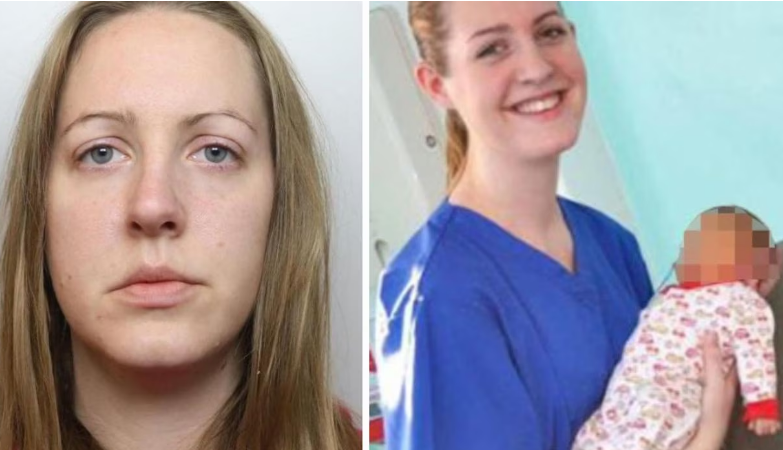
The legal controversy surrounding convicted former neonatal nurse Lucy Letby has intensified as new expert criticism raises fresh questions about some of the scientific evidence presented at her trials.
Letby remains convicted of murdering seven babies and attempting to murder seven others at the Countess of Chester Hospital between 2015 and 2016. She is serving 15 whole-life orders.
But her legal team is now asking the Criminal Cases Review Commission (CCRC) to examine evidence that they say could undermine key parts of the prosecution case.
 NEW ANALYSIS CHALLENGES INSULIN EVIDENCE
One of the most significant developments involves the cases of two babies, known in court as Baby F and Baby L.
Prosecutors argued that both infants had been deliberately poisoned with insulin after abnormal blood-test results were identified.
That evidence was presented as an important scientific foundation for the prosecution’s case.
However, a new 100-page analysis submitted to the CCRC in July 2026 reportedly challenges aspects of the evidence given by prosecution insulin expert Professor Peter Hindmarsh.
The report, prepared by consultant neonatologist Neil Aiton and statistician Hilde Wilkinson-Herbots, reportedly argues that important alternative explanations and issues surrounding the testing should have received greater consideration.
The report itself has not been publicly released, and the CCRC has not ruled on its claims.
 CONCERNS ABOUT A KEY EXPERT WITNESS
The controversy grew further after a Guardian investigation reported that Hindmarsh was under investigation by the General Medical Council while he was giving evidence at Letby’s trial.
According to the report, the GMC investigation involved concerns about his fitness to practise. A medical tribunal had imposed restrictions on his work during part of the period.
The jury was not told about the investigation.
The GMC investigation ultimately ended after Hindmarsh voluntarily left the medical register in November 2024. There was no regulatory finding against him.
The Crown Prosecution Service has rejected the suggestion that the jury was misled about the expert’s qualifications or experience.
EXPERTS HAVE QUESTIONED THE ORIGINAL INTERPRETATION
The insulin evidence is only one part of a much wider scientific debate surrounding the convictions.
A group of international neonatal experts has previously raised concerns about the medical interpretation of several of the babies’ collapses and deaths.
Critics of the convictions argue that some medical events could have had natural or treatment-related explanations rather than being evidence of deliberate harm.
Those arguments remain disputed.
The original jury heard the prosecution’s case and convicted Letby. Her convictions have not been overturned, and the CCRC has not concluded that she was wrongly convicted.
THE CCRC REVIEW CONTINUES
Letby’s legal team submitted substantial expert material to the CCRC, which is now reviewing whether the case should be referred back to the courts.
The commission’s role is not to determine whether Letby is innocent. Instead, it must decide whether there is a real possibility that the convictions would not be upheld if the case were considered by an appeal court.
That makes the current review potentially significant.
If the CCRC eventually refers the case to the Court of Appeal, judges could examine the new material and determine whether Letby’s convictions should remain in place.
For now, however, nothing has changed legally.
Letby remains convicted and imprisoned.
THIRLWALL INQUIRY ALSO AWAITS FINAL REPORT
At the same time, the Thirlwall Inquiry is examining what happened at the Countess of Chester Hospital, including how concerns about rising numbers of infant deaths were handled.
The inquiry has completed its evidence and submissions phase.
Its final report is expected after the summer parliamentary recess, although no exact publication date has been announced.
The inquiry cannot overturn Letby’s convictions, but its findings could provide important context about staffing, clinical practices, management decisions and the hospital’s response to concerns raised at the time.
A CASE STILL DIVIDING OPINION
Letby’s case remains one of the most controversial criminal cases in modern British history.
The prosecution maintains that the evidence presented at trial established that she deliberately harmed babies in her care.
Letby’s supporters and a growing group of medical and statistical experts argue that significant questions remain about the interpretation of the evidence.
Those competing positions are now heading toward another important legal test.
The CCRC will ultimately have to decide whether the new material is strong enough to justify sending the case back to the Court of Appeal.
Until that happens, Lucy Letby’s convictions remain legally valid.
But with new scientific analysis, questions surrounding a key prosecution expert and the continuing review of the evidence, the case is once again under intense scrutiny.