“I’VE TRAVELED THIS ROUTE MANY TIMES”: STEPHEN SCHNEIDER’S EXPERIENCE ON THE WATER NOW UNDER SCRUTINY AFTER FATAL NIGHTTIME CRASH
“I’VE TRAVELED THIS ROUTE MANY TIMES”: STEPHEN SCHNEIDER’S EXPERIENCE ON THE WATER NOW UNDER SCRUTINY AFTER FATAL NIGHTTIME CRASH
BARNEGAT BAY, N.J. — Stephen Schneider told investigators he was no stranger to the water.
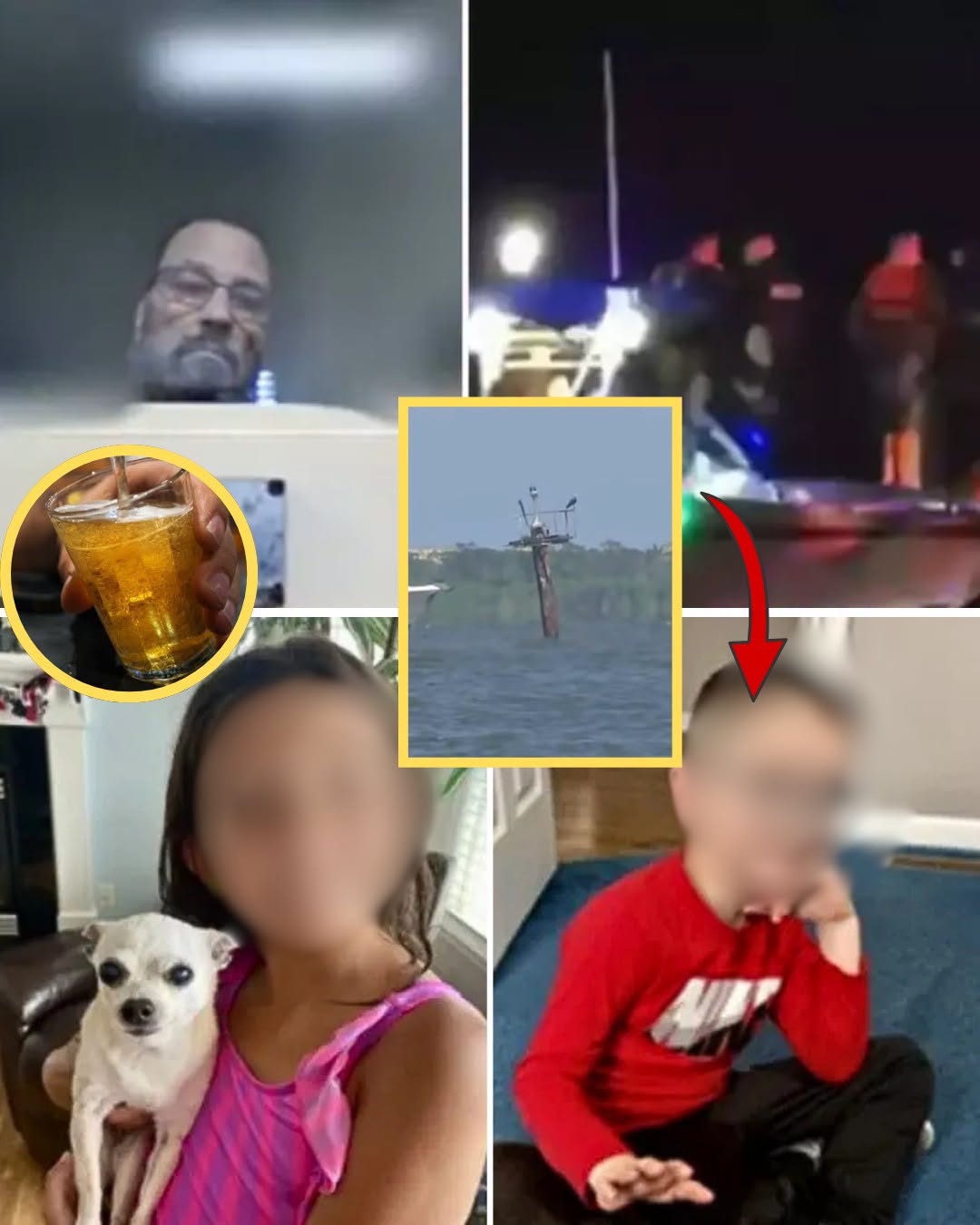
In his statement to police, the 64-year-old grandfather said he had spent his entire life boating and was highly familiar with the waters where his family’s nighttime trip ended in tragedy.
Schneider also told investigators that he had traveled the same route many times — and that both the boat’s radar and infrared camera were operating as the vessel entered Barnegat Bay that night.
But despite that experience and the reported operation of the navigation equipment, the 28-foot Tidewater Custom 280 collided with a channel marker, setting off a frantic chain of events that ended with the deaths of Schneider’s two grandchildren.
 A ROUTE HE KNEW WELL
According to Schneider’s statement, the waterway was not unfamiliar territory.
He said he had spent his entire life around boats and had traveled the route repeatedly.
That detail is now drawing attention because the collision happened during a nighttime trip, when visibility and navigation conditions were especially important.
Schneider told police that the boat’s radar and infrared camera were functioning as the family traveled into the bay.
Investigators are now examining what the equipment showed in the moments before the collision and whether anything about the navigation system could explain what happened.
 THE FINAL SECONDS
The boat was carrying members of Schneider’s family when it struck a channel marker.
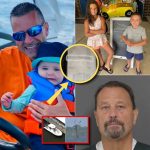
His grandchildren, 9-year-old Mya Bella Golabek and 7-year-old Sigmund Paul Golabek, were toward the front of the vessel.
The impact sent both children into the water.
What happened immediately afterward has become another critical part of the investigation.
The family realized the children were missing and began searching in the darkness.
Schneider reportedly entered the water himself in an attempt to find them.
The desperate search was captured in part by emergency communications, giving investigators another way to reconstruct the timeline.
“THREE BEERS” AND A 0.16 BAC
Investigators are also examining Schneider’s condition that evening.
Schneider reportedly told authorities that he had consumed three beers over roughly two hours during a family dinner before taking control of the boat.
But prosecutors allege that testing later showed a blood-alcohol concentration of approximately 0.16, twice New Jersey’s legal limit of 0.08.
That discrepancy has become a major issue in the case.
Schneider has been charged in connection with the crash, but the allegations have not been proven in court and he remains presumed innocent.
EXPERIENCE DOES NOT EXPLAIN EVERYTHING
Schneider’s reported boating experience is likely to receive significant attention as investigators examine the circumstances surrounding the collision.
If someone has spent decades on the water and repeatedly traveled the same route, investigators may ask what changed that night.
Was visibility unusually poor?
Was the channel marker difficult to see?
Did the boat’s speed or direction play a role?
Was the navigation equipment being properly monitored?
And did alcohol affect Schneider’s ability to process what he was seeing?
Those questions are ultimately for investigators and the courts to determine.
A FAMILY TRIP TURNS TRAGIC
What began as a family evening on the water ended with two young lives lost.
Mya and Sigmund were not strangers to the boat or the people aboard it. They were grandchildren spending time with family.
Now investigators are reconstructing the final moments from statements, physical evidence, navigation equipment and emergency calls.
Schneider’s claim that he knew the route well is another piece of that puzzle.
So too is his statement that the boat’s radar and infrared camera were functioning.
Neither detail, by itself, explains why the collision occurred.
But together with the evidence surrounding the vessel’s speed, visibility, alcohol testing and the final moments before impact, they could help investigators determine exactly what happened.
THE QUESTIONS THAT REMAIN
Schneider says he knew these waters.
He says he had traveled the route many times.
He says the boat’s radar and infrared camera were operational.
Yet something went wrong during those final seconds.
The result was devastating: Mya and Sigmund never made it home.
Now the investigation is focused on those few moments when experience, technology and human judgment all converged on the dark waters of Barnegat Bay.
The route may have been familiar. The tragedy was not.