A Backpack Emerged From an Austrian Glacier After 63 Years. One Faded Name Led Police to the Man Who Left It There
For more than six decades, a backpack sat hidden inside an Austrian glacier.
No one was searching for it.
No family was waiting for it to return.
And the man who once owned it had long since accepted that it was gone forever.
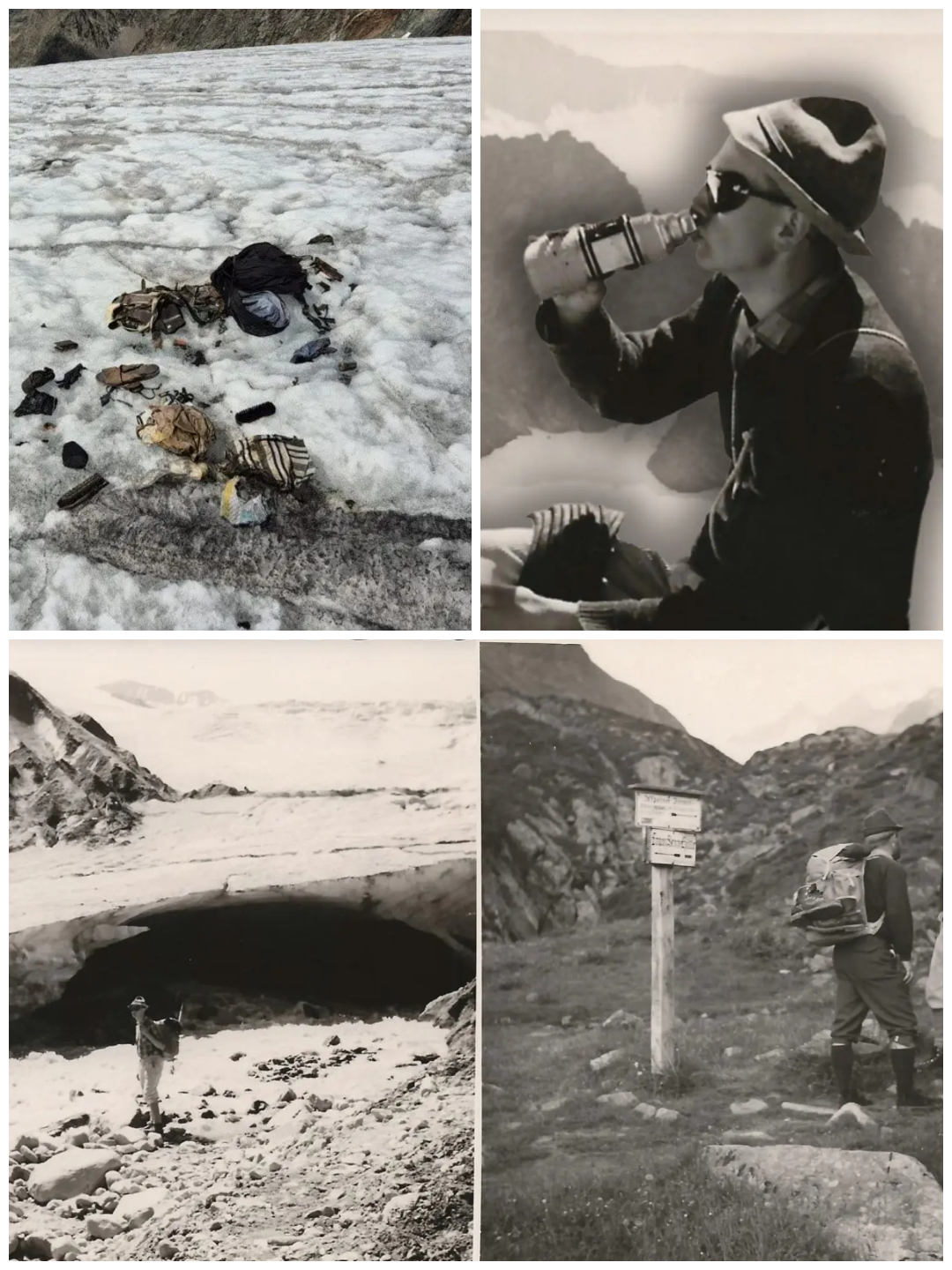
Then, on July 16, 2026, an alpinist crossing the Sulztalferner glacier in Austria discovered something unexpected at an altitude of roughly 2,955 meters.
It was an old backpack.
Time had clearly not been kind to it, but the pack was far from empty.
Inside were pieces of vintage climbing equipment, including an ice axe, a whistle, a camera and other gear that appeared to belong to another era.
There was also a badly damaged folder containing documents.
Most of the information was difficult to read.
But investigators managed to make out one crucial detail.
A name.
That faded name would eventually lead police all the way back to an 86-year-old man in Bavaria — and to the remarkable story of why he had deliberately thrown the backpack into the glacier in 1963.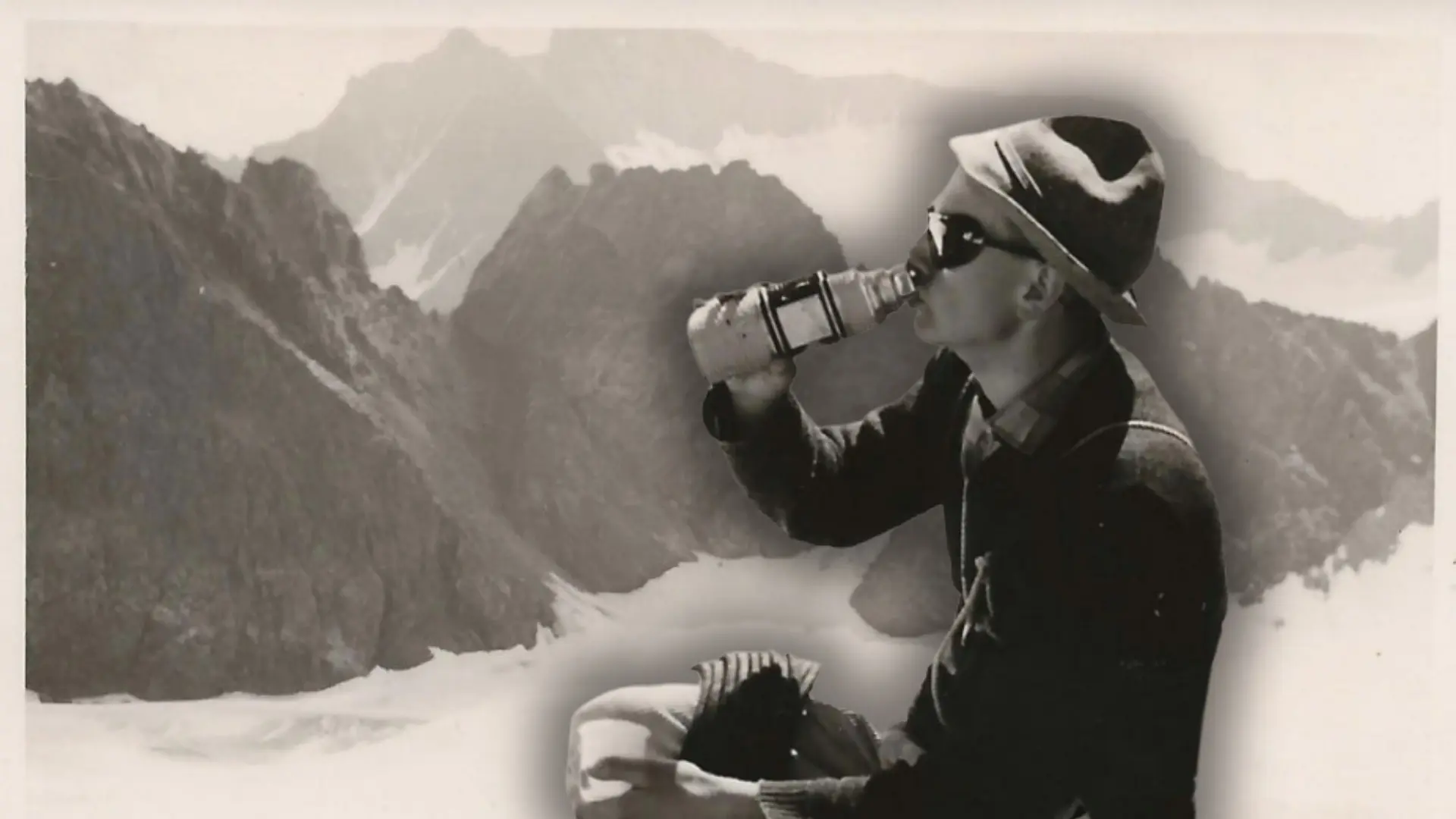
The Glacier Had Preserved a Climbing Time Capsule
At first glance, the backpack was simply an unusual mountain discovery.
Glaciers have a way of holding onto the past.
Objects dropped or lost in snow and ice can disappear for decades before changes in the glacier finally expose them again.
But this particular backpack immediately raised obvious questions.
Who had owned it?
How long had it been there?
And why had it ended up so deep in the ice?
The equipment inside offered clues to its age.
The camera, whistle, ice axe and climbing material clearly belonged to a much earlier generation of mountaineering.
But equipment alone could not identify the owner.
The damaged documents proved much more important.
Despite decades inside the glacier, enough of one name remained visible for police to begin tracing the person connected to the pack.
Eventually, investigators found him.
He was still alive.
Now 86 and living in Bavaria, the former climber was able to explain exactly how his backpack had disappeared more than half a century earlier.
The answer was far more dramatic than simply dropping it during a hike.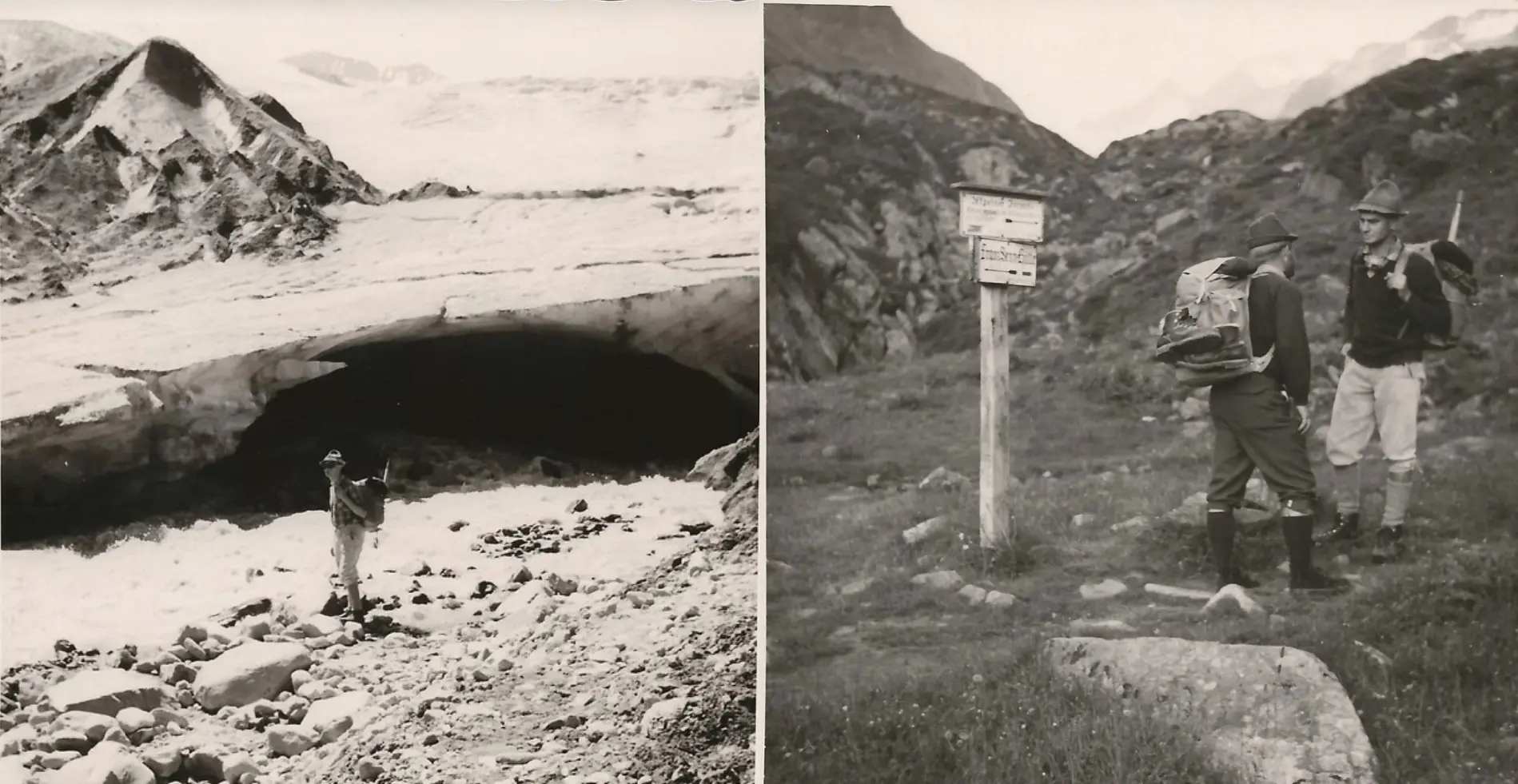
It Started With a Fall Into a Crevasse
The story went back to Aug. 4, 1963.
The man had been climbing on the glacier with companions as part of a roped team.
Glacier travel can be deceptive.
A smooth surface of snow may conceal deep crevasses beneath it, and a single step onto a weak snow bridge can send a climber suddenly downward.
That is apparently what happened.
The young climber fell into a crevasse.
Because he was roped to the others, his companions were able to stop the fall before the situation became even worse.
But stopping the fall was only the beginning.
He still had to get himself back out.
According to the later account, he used Prusik loops — a climbing technique that allows a person to ascend a rope by moving friction knots upward in stages.
It was exhausting work.
And the weight he was carrying mattered.
That was when the backpack became a problem.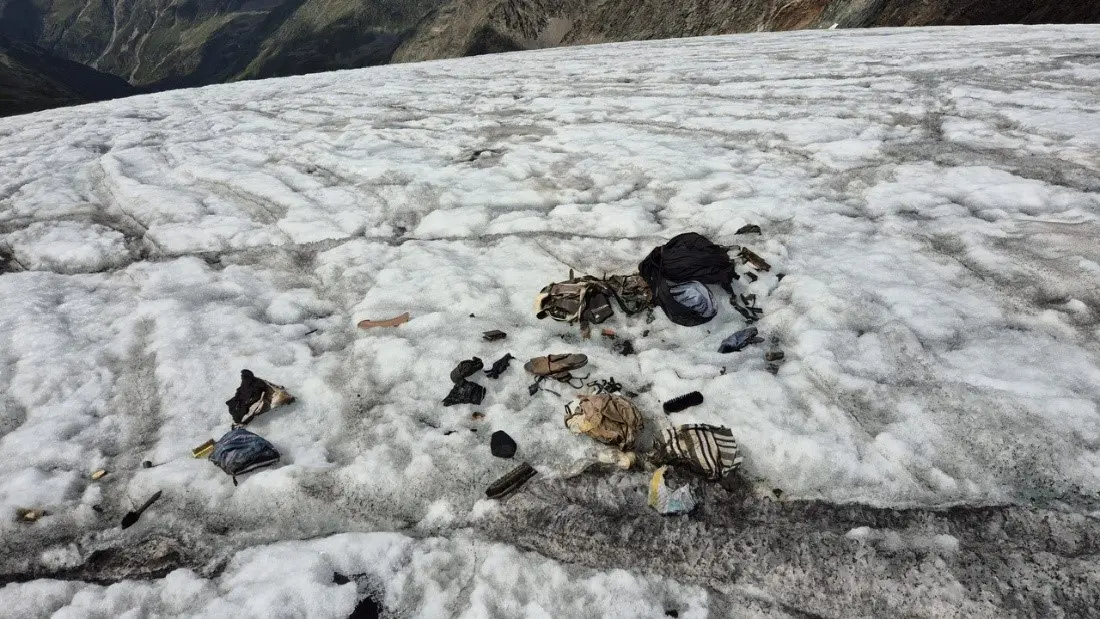
He Did Not Lose the Backpack. He Threw It Away.
This is the detail that transforms the discovery from an interesting glacier find into something much more extraordinary.
The backpack was not accidentally dropped.
The climber deliberately got rid of it.
While trying to escape the crevasse, he needed to make himself lighter.
So he removed the backpack and threw it farther into the crevasse.
At that moment, saving equipment was irrelevant.
Getting out was what mattered.
The backpack disappeared into the glacier, still holding the personal objects and climbing gear he had carried that day.
Once the climber escaped, there was little reason to believe he would ever see it again.
And for 63 years, he did not.
The glacier simply kept it.
Then the Ice Gave It Back
What makes the 2026 discovery so striking is the amount of time that passed between those two moments.
In 1963, the backpack disappeared during a dangerous climbing accident.
In 2026, another alpinist encountered it on the same glacier.
Entire generations had passed.
The equipment inside had gone from ordinary climbing gear to historical artifacts.
The camera belonged to another technological age.
The methods, clothing and tools used by climbers had changed dramatically.
Even the landscape itself had changed.
Glaciers across the Alps have been retreating, exposing objects and remains that had been sealed in ice for decades.
The Sulztalferner had effectively carried this backpack through 63 years of history before placing it back within human reach.
Yet finding the object was only half the story.
The real challenge was connecting it to someone.
That damaged name inside the folder made the difference.
Police Found the Original Owner
Investigators followed the surviving information and eventually located the man who had once carried the backpack.
He was now 86 years old.
Imagine being told that an object you deliberately threw into a glacier as a young man had suddenly reappeared more than six decades later.
The backpack was not simply forgotten luggage.
It was tied directly to a moment when his safety had depended on abandoning unnecessary weight.
For most people, objects associated with events like that survive only in memory.
This one survived physically.
The glacier had preserved enough of it for another generation to recover.
And the story did not end with identifying the owner.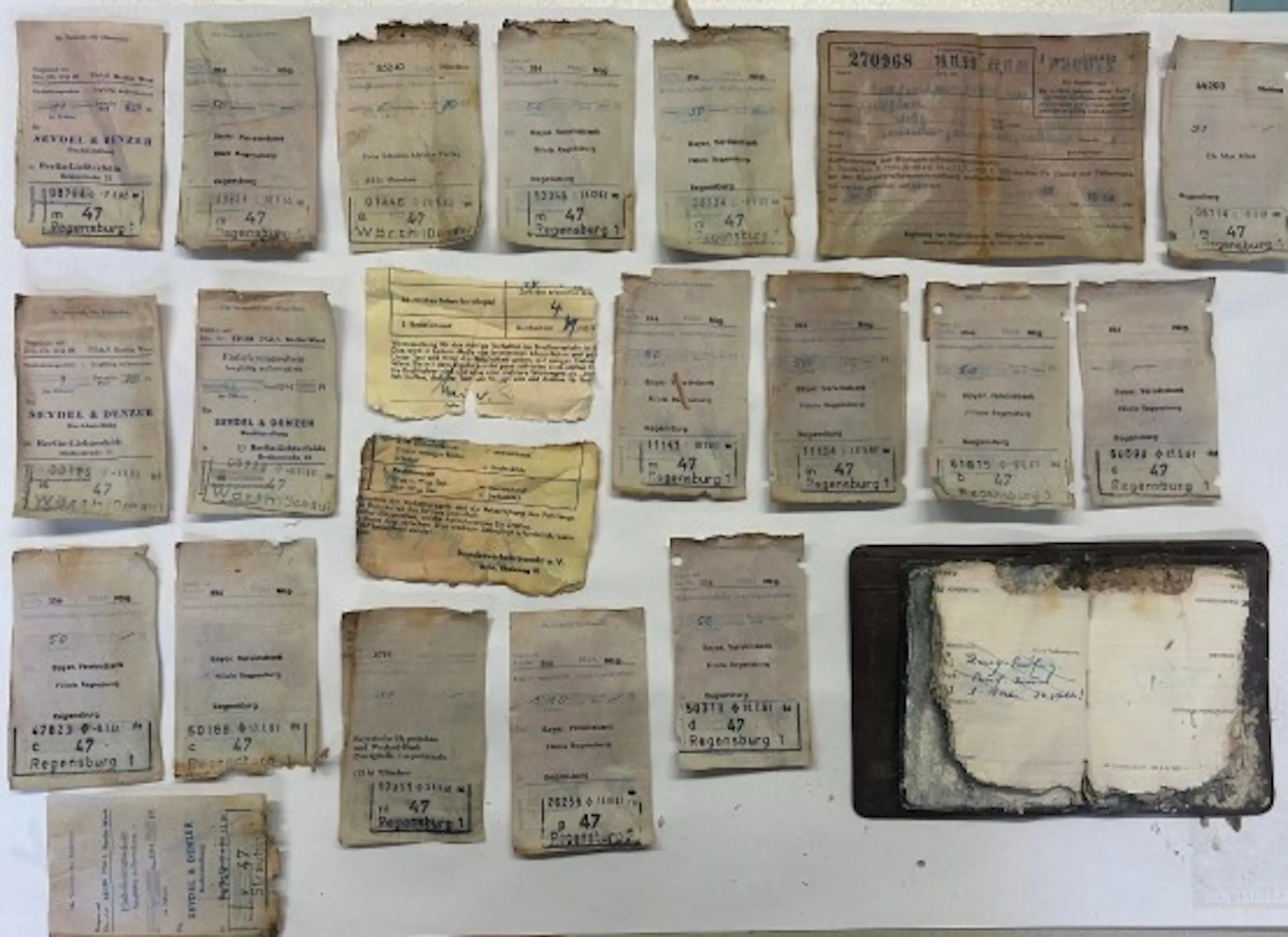
The Backpack Finally Returned to the Family
On Aug. 25, 2026, the recovered equipment was handed over to the climber’s son.
That final detail gives the story an unusual emotional dimension.
The man who had carried the equipment in 1963 was still alive to explain what happened, but the physical objects themselves were returned through the next generation.
The son received climbing gear that his father had last touched as a young man during a dangerous moment in the Alps.
There was the old camera.
The whistle.
The ice axe.
And the other equipment that had remained trapped in the glacier while the family continued living its life far away.
Police also released photographs of the recovered objects alongside images connected to the original 1963 climb, making it possible to see the extraordinary gap between the day the backpack disappeared and the day it resurfaced.
A 63-Year Journey Nobody Planned
There is something almost impossible about the timeline.
A young climber falls into a crevasse.
His companions stop him with the rope.
He struggles upward.
Realizing the backpack is making the escape harder, he throws it away.
He survives.
The pack disappears.
Then more than six decades later, another climber happens upon the same object as the glacier gives up something it had been holding since 1963.
A nearly unreadable name survives.
Police trace it.
The original owner is found.
And the equipment makes its way back to the family.
None of that was planned.
The backpack was never meant to become a time capsule.
It was never hidden for someone to recover later.
It was abandoned in a moment when a climber had far more important things to worry about than his possessions.
That may be what makes its return so remarkable.
In 1963, throwing the pack into the crevasse meant leaving it behind so a man could get himself out.
In 2026, the glacier finally returned what he had sacrificed.
Sixty-three years late — but still carrying enough of its story for someone to find the family it belonged to.