CENTRAL PARK ARTIST LEE ROGERS KI//ED: BELOVED BIRD PAINTER FOUND DE@D IN GAZEBO
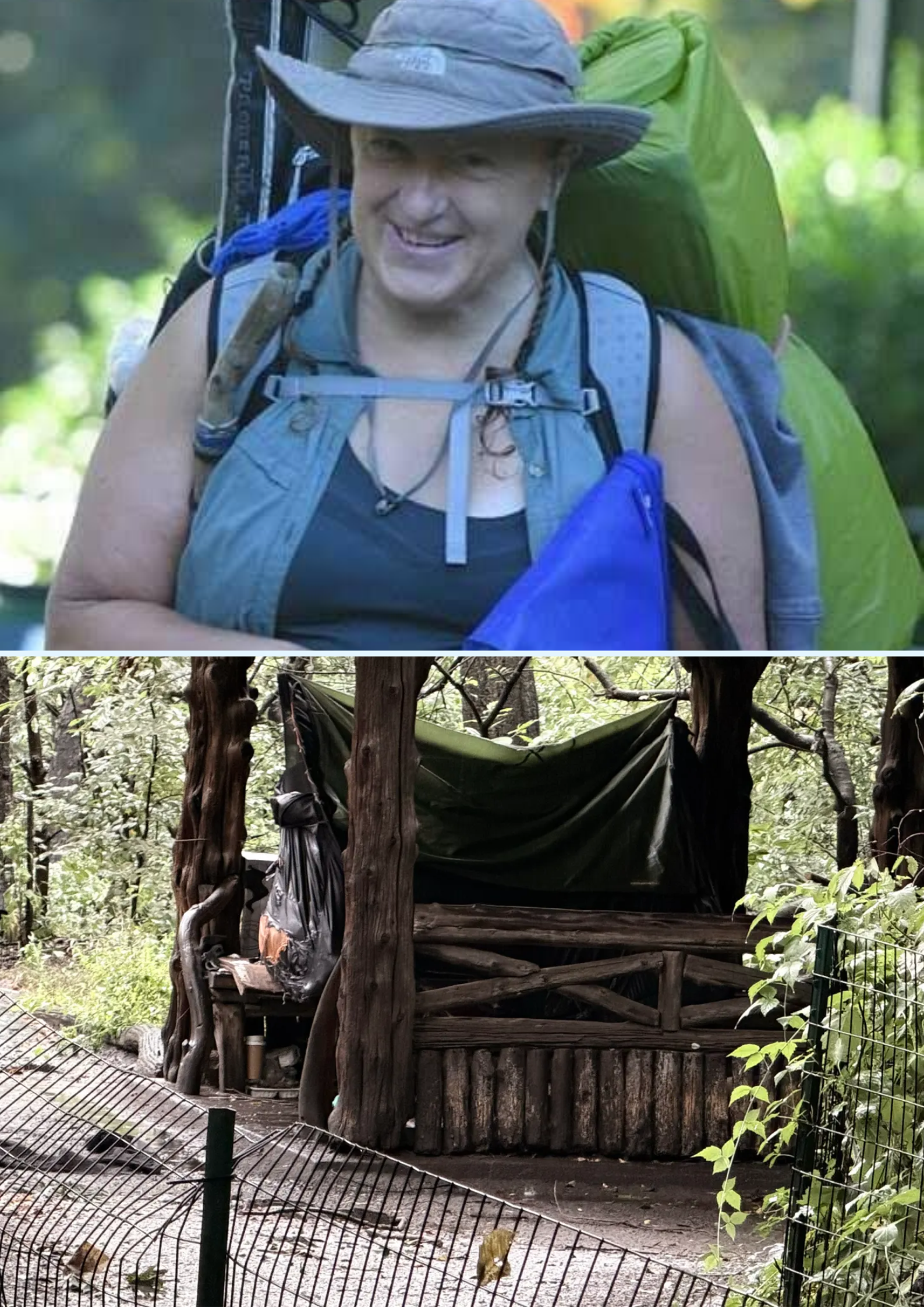
CENTRAL PARK ARTIST LEE ROGERS KILLED: BELOVED BIRD PAINTER FOUND DEAD IN GAZEBO
A 63-year-old woman known to generations of Central Park birdwatchers as a talented artist who painted the park’s birds has been beaten to death inside a gazebo — leaving friends and members of the birding community devastated.
The woman was identified by the New York Post as Lee Rogers, a longtime presence in Central Park who had lived in the park and surrounding area while creating detailed watercolor paintings of wildlife.
Police have not publicly released the victim’s name pending notification of her family. But people who knew her told local media that the woman was Rogers, describing her as an artist, a friend and a familiar face who had become part of the fabric of the park.
A 36-year-old man, Jonathan Robles, has been arrested and charged with murder and criminal possession of a weapon.
 A BODY FOUND IN CENTRAL PARK
The investigation began shortly before 9:45 a.m. on September 27, 2026, when police received a 911 call reporting an unconscious woman in Central Park.
Officers responding near East Drive and East 74th Street found the woman unresponsive inside or near a wooden gazebo in the Ramble.
Emergency medical personnel pronounced her dead at the scene.
Police initially described the victim as having trauma to her head. Early reports also mentioned stab wounds, but investigators later clarified that the fatal injuries appeared to have been caused by a piece of wood or stick.
The area was secured while detectives examined the scene.
By Sunday evening, investigators had arrested Jonathan Robles.
Police said Robles turned himself in and was subsequently charged with murder and criminal possession of a weapon. His listed address was a Midtown homeless shelter.
 “TO US, SHE WAS SOMEBODY”
While the investigation unfolded, Central Park regulars were mourning someone they said was far more than an unidentified woman found in the park.
Friends knew her simply as Lee.
She had reportedly spent significant amounts of time living in the Ramble, a wooded section of Central Park popular with birdwatchers.
People who knew her described her as a familiar and sometimes protective presence.
One friend told ABC7 that although some people might have regarded her as “a nobody,” those who regularly visited the park knew differently.
“To us, she was somebody,” the friend said.
Another longtime acquaintance, Joe Lopez, said he had known Rogers for around 15 years.
He remembered her not simply as someone living in the park, but as a distinctive character who had become closely connected to its birding community.
“She was a character,” Lopez said, according to ABC7. He also recalled that she had been involved with the park’s bird feeders.
THE ARTIST WHO PAINTED CENTRAL PARK’S BIRDS
Rogers was particularly known for her artwork.
She created detailed paintings and drawings of birds she encountered around Central Park, selling some of her work directly to birdwatchers and visitors.
Among the birds she painted was Pale Male, the famous red-tailed hawk that became one of Central Park’s best-known wildlife residents.
Lopez showed CBS New York a painting of Pale Male that he had purchased from Rogers.
He said her knowledge of wildlife went beyond simply observing the animals.
“She knew wildlife,” he said, explaining that she understood animal behavior as well as how to depict the birds artistically.
Robert DeCandido, a Central Park nature guide better known as “Birding Bob,” also remembered Rogers.
He compared her to folk artist Grandma Moses, describing her as a distinctive artistic figure within the park.
DeCandido said birdwatchers appreciated Rogers’ work and would buy her paintings.
SHE HAD BEEN A FIXTURE IN THE PARK FOR YEARS
Rogers’ connection with Central Park went back many years.
A 2012 New York Times profile described her as an artist who spent her days painting birds in the Ramble and selling her work to park visitors and birdwatchers.
She used the natural environment around her as inspiration, sketching birds before creating detailed watercolor studies.
She also helped maintain bird feeders in the park.
Her work became her livelihood during periods when she was living without permanent housing.
In an earlier description of her life, Rogers said she had been homeless for years and that Central Park had become an important place for her artistic work.
People who knew her said she had developed a unique relationship with the park’s birding community.
Some birdwatchers helped her with supplies, including outdoor equipment and birdseed.
In return, Rogers became part of the community she had built around her artwork and her knowledge of the wildlife in the Ramble.
A LIFE OF ART, SURVIVAL AND MYSTERY
Rogers’ life story was complicated.
According to reporting about the documentary “Begging Naked,” she had previously experienced homelessness and periods of serious hardship before establishing herself as an artist in New York.
The documentary followed her life and her experiences as a runaway, artist and homeless woman.
Despite those difficulties, her artistic work continued.
For years, she could be found carrying a sketchbook through Central Park, studying birds and translating what she saw into detailed artwork.
Her story had already attracted attention long before her death.
But to the people who regularly encountered her, she was not simply the subject of a documentary or a newspaper profile.
She was Lee.
She was the woman who painted the birds.
She was someone they saw in the park again and again.
POLICE INVESTIGATION CONTINUES
Investigators have not publicly established a motive for the killing.
Police sources told CBS New York that an argument may have preceded the violence, but details surrounding what happened remain under investigation.
Robles was charged with murder and criminal possession of a weapon.
At this stage, those are allegations contained in the criminal case, and the charges have not been adjudicated in court.
Authorities are continuing to investigate the circumstances that led to the fatal confrontation.
The victim’s official identity also remained withheld by police while authorities worked to notify her relatives.
“SHE NEVER BOTHERED ANYBODY”
For those who spent time around the Ramble, the killing has been particularly difficult to understand.
Dan Stevenson, a local birder, remembered seeing Rogers regularly.
“She was a regular here,” he said. “Never bothered anybody.”
Others described how Rogers had helped people who were struggling themselves.
One acquaintance said she had helped him find somewhere to stay after he left prison.
Another woman recalled Rogers giving her food and a blanket when temperatures dropped.
“She did help me a lot,” the woman said.
Now, the same gazebo where Rogers was found has become a place of mourning.
Friends returned to the spot Monday, lighting candles and remembering the woman they had known for years.
A CENTRAL PARK COMMUNITY MOURNS
For decades, Rogers’ life had unfolded alongside the birds she painted.
She had no conventional studio.
Instead, Central Park became her workplace, inspiration and, at times, her home.
Her paintings allowed her to build relationships with people who might otherwise never have known her.
Now those same people are left grieving her death.
The investigation will determine what happened inside the gazebo and what led to the confrontation involving Robles.
But for the birdwatchers, artists and park regulars who knew Lee Rogers, another part of Central Park’s living history has suddenly disappeared.
The woman who spent years painting the birds of Central Park is now being remembered by the very community whose wildlife inspired her work.