Winona Ryder and Christina Ricci Played Sisters in Mermaids — Behind the Warm 1990 Film Was a Three-Director Production Storm
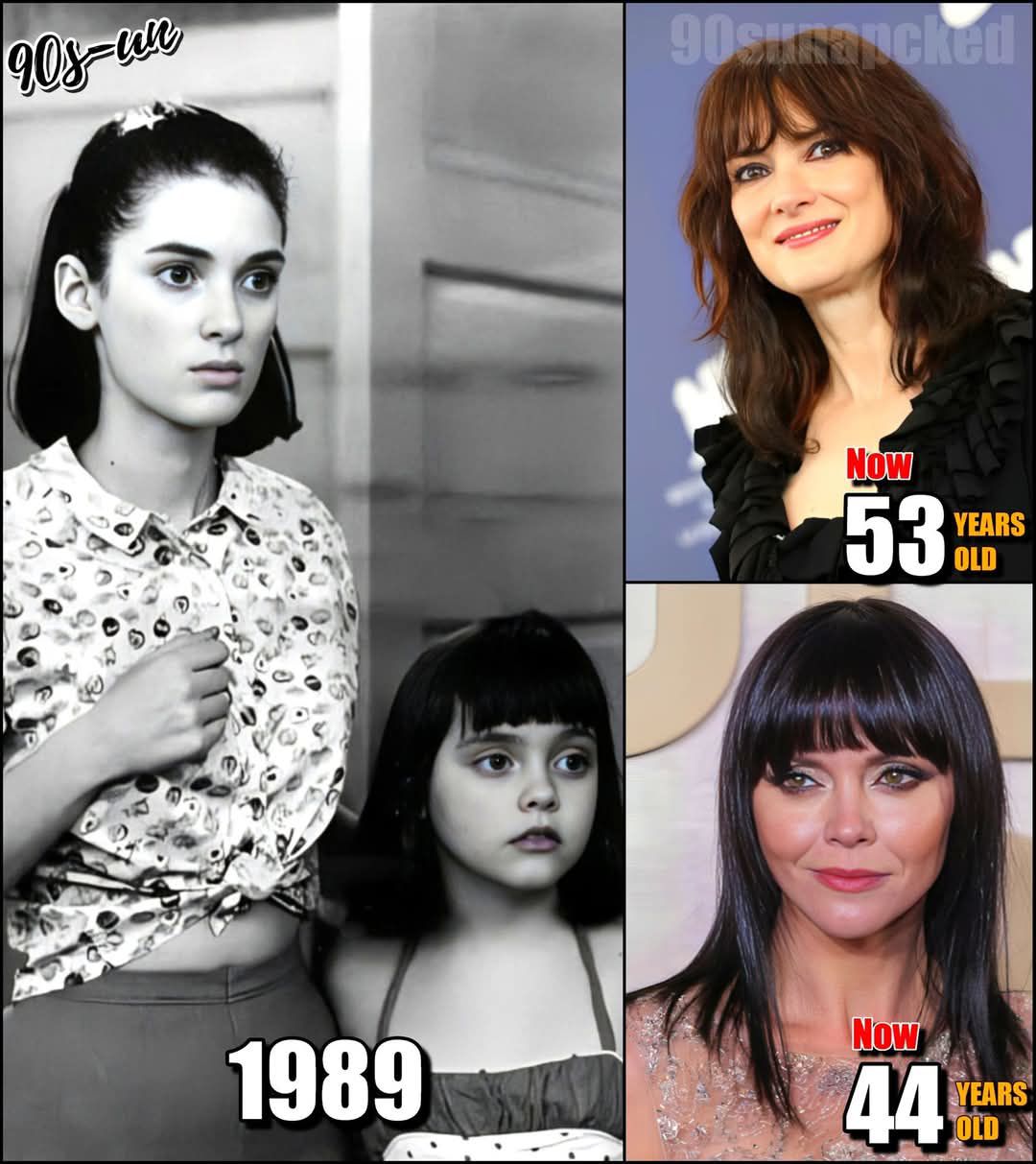
Long before Christina Ricci became Wednesday Addams — and decades before Winona Ryder found a new generation of fans through Stranger Things — the two actresses appeared together as sisters in a movie that looked charming and effortless on screen.
Behind the scenes, almost nothing about Mermaids was effortless.
The 1990 comedy-drama, starring Cher as an unconventional single mother raising two very different daughters, went through an extraordinary series of changes before reaching theaters. One actress lost a major role. Production was delayed. Creative disagreements multiplied. And the project passed from Lasse Hallström to Frank Oz before Richard Benjamin finally became the director who completed it.
Yet what survived that turmoil was a movie remembered less for its troubled production than for the unusual chemistry among three actresses at very different points in their careers: Cher, Ryder and a nine-year-old Ricci making her feature-film debut.
Based on Patty Dann’s 1986 novel, Mermaids takes place in 1963. Cher plays Rachel Flax, a glamorous, restless single mother who repeatedly moves her family whenever life becomes complicated. Her older daughter, Charlotte, played by Ryder, is almost her opposite: introspective, anxious and fascinated by Catholicism despite coming from a Jewish family.
Ricci plays Charlotte’s little sister, Kate, an energetic child whose great obsession is swimming.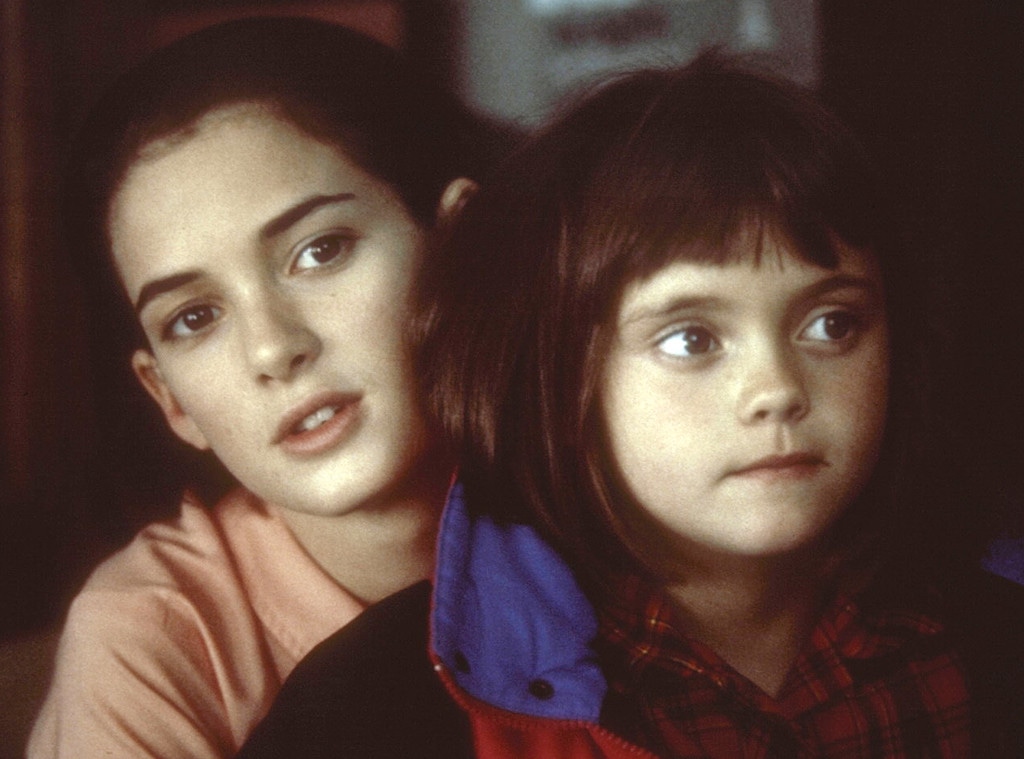
Together, the three characters create the central tension of the film. Rachel wants freedom. Charlotte desperately wants rules. Kate seems happiest when she is underwater.
Bob Hoskins joins them as Lou Landsky, a kindhearted shoe-store owner who becomes involved with Rachel, while Michael Schoeffling plays the young man who becomes the focus of Charlotte’s romantic and religious confusion.
For Ryder, Mermaids arrived during an astonishing period in her young career.
She was already recognizable thanks to Beetlejuice, while Heathers had established her as one of Hollywood’s most distinctive young actresses. Then, in the same year Mermaids arrived, Ryder appeared opposite Johnny Depp in Edward Scissorhands.
Ricci, however, was essentially at the beginning.
Mermaids became her first feature film, placing a child with little movie experience alongside Cher, Hoskins and Ryder. Just one year later, Ricci would become internationally recognizable as Wednesday Addams in The Addams Family.
That makes Mermaids especially fascinating to revisit today.
Audiences were seeing two actresses who would soon become defining faces of 1990s Hollywood, playing sisters before some of the roles most closely associated with them had even happened.
But getting Ryder into the movie was itself part of the production turmoil.
British actress Emily Lloyd had originally been expected to play Charlotte. After delays and changes surrounding the project, Lloyd ultimately lost the role and Ryder took her place.
The situation became contentious enough to result in legal action. Lloyd later sued over losing the part, arguing that an agreement had already been made for her to appear in the film. The dispute was eventually settled after the case reached trial.
That casting controversy was only one sign of how unstable the production had become.
The director’s chair changed repeatedly.
Lasse Hallström, the Swedish filmmaker who had received international acclaim for My Life as a Dog, was initially attached to direct Mermaids. At the time, the movie was expected to become an important step into English-language filmmaking for him.
But the production was postponed, and Hallström left the project.
Frank Oz came next.
Oz was already famous for his work with the Muppets and had also established himself as a successful director with films such as Little Shop of Horrors and Dirty Rotten Scoundrels.
His involvement did not last either.
Creative disagreements developed during preparations and the early stages of production. Accounts from the period indicate that Cher and Ryder were among those who had concerns about the direction the movie was taking.
Oz eventually left.
That brought Richard Benjamin into the picture.
Benjamin became the third director associated with Mermaids and ultimately received the directing credit for the finished film.
The rapid turnover was not simply a matter of swapping filmmakers with similar ideas.
The different directors reportedly had substantially different visions for the material.
Earlier versions leaned toward a darker interpretation of Patty Dann’s story. At one stage, ideas were considered that would have taken Charlotte’s story in a far more tragic direction.
The finished movie went another way.
Benjamin’s version still deals with serious themes. Charlotte struggles with sexuality, guilt and her complicated feelings toward her mother. Rachel’s unconventional parenting causes repeated arguments. The family’s habit of moving whenever something goes wrong creates an underlying sense that none of them has truly learned how to face problems directly.
But the film balances those tensions with comedy, romance and affection.
Instead of becoming a bleak family drama, Mermaids centers on three women gradually learning that their differences do not have to pull them apart.
That emotional balance depended heavily on the cast.
Ryder later remembered developing a strong connection with Cher during the production. For a young actress navigating an unusually turbulent movie set, Cher became an important presence.
Ricci has also spoken warmly about the experience.
She was only nine years old during filming, surrounded by established actors and a production undergoing significant creative changes. Yet she later remembered being welcomed into the adults’ world rather than being ignored because of her age.
Ricci recalled spending time in both Cher’s and Ryder’s trailers and watching how they worked. She has also praised Cher for treating her seriously and explaining filmmaking to her when she did not understand what was happening.
For someone appearing in her first movie, it became an unusual introduction to Hollywood.
It clearly did not discourage her.
A year later came Wednesday Addams.
Then came Addams Family Values, Casper, Now and Then, The Ice Storm, Buffalo ’66 and Sleepy Hollow. As an adult, Ricci continued building a career that eventually included acclaimed television work such as Yellowjackets.
Ryder’s career followed its own remarkable path.
After Mermaids and Edward Scissorhands, she starred in films including Bram Stoker’s Dracula, The Age of Innocence, Reality Bites, Little Women and Girl, Interrupted. Decades later, Stranger Things introduced her to another generation of viewers.
Ryder’s work in Mermaids also earned significant recognition at the time. She received a Golden Globe nomination for supporting actress and won the National Board of Review’s Best Supporting Actress award.
Those honors make the chaos behind the movie even more striking.
A production that lost its original actress for one of the central roles, experienced delays, went through major creative disagreements and cycled through three directors could easily have collapsed.
Instead, Mermaids became a memorable family comedy-drama and an accidental Hollywood time capsule.
Cher was already an established superstar.
Ryder was rapidly becoming one of the defining actresses of her generation.
Ricci was just beginning.
Today, seeing Ryder and Ricci together carries a different meaning than it did in 1990. Viewers now bring decades of memories with them — Wednesday Addams, Beetlejuice, Edward Scissorhands, Casper, Stranger Things and many more.
But before all of that history accumulated, they were Charlotte and Kate Flax.
Two sisters on screen.
Two careers traveling toward very different forms of fame.
And at the center of it all was a movie that somehow found its identity only after Hollywood had already tried three different directors to figure out what it should be.