CHRISTA PIKE RELEASED FROM HOSPITAL AND RETURNED TO PRISON 10 DAYS AFTER FAILED EXECUTION ATTEMPT
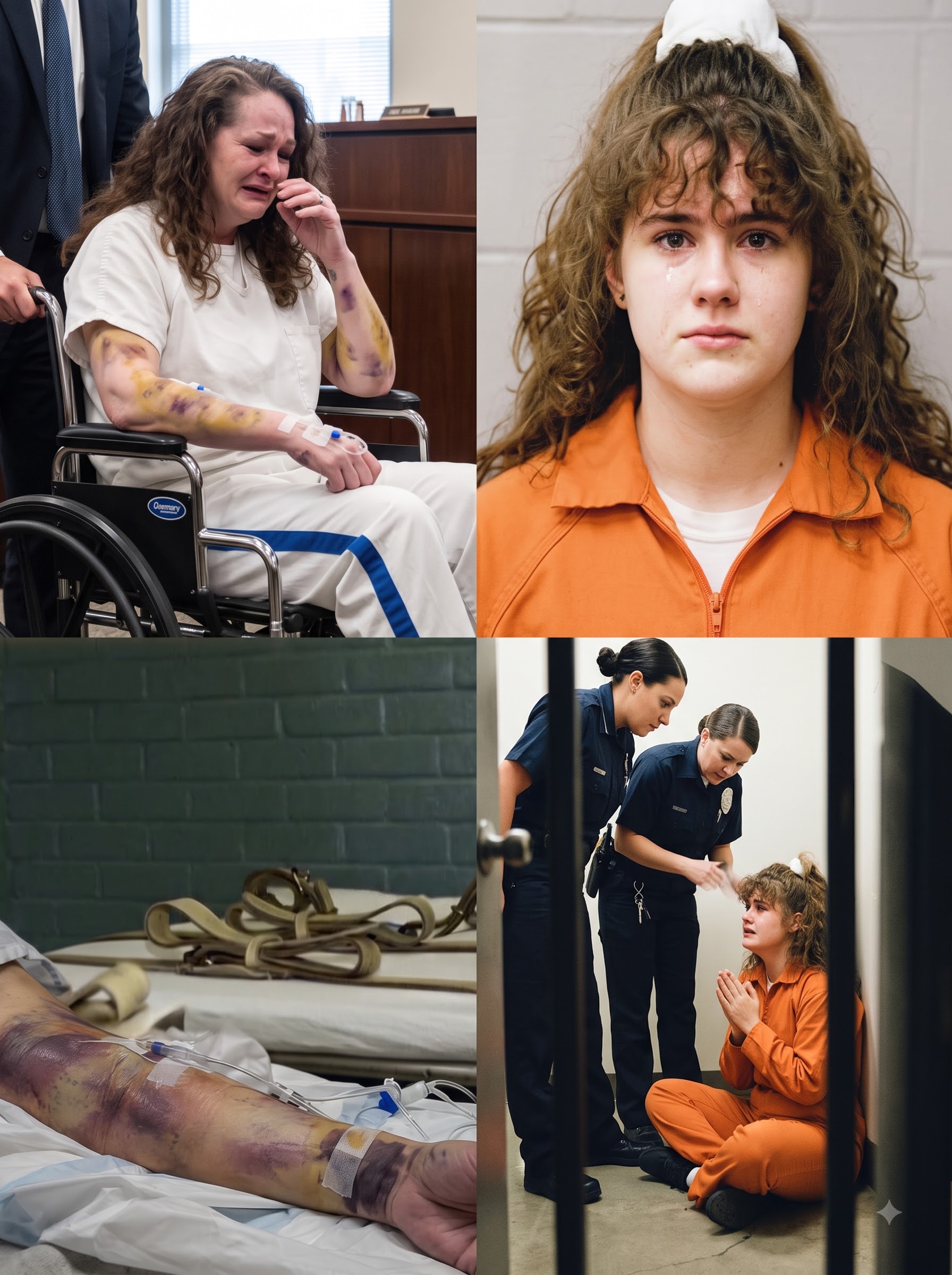
CHRISTA PIKE RELEASED FROM HOSPITAL AND RETURNED TO PRISON 10 DAYS AFTER FAILED EXECUTION ATTEMPT
The Tennessee death-row inmate is continuing to receive medical care after surviving two doses of an execution drug. Her extraordinary recovery has raised urgent questions about the state’s execution procedures and what may happen next.
Christa Pike has been discharged from hospital and returned to the Debra K. Johnson Rehabilitation Center in Nashville, Tennessee, 10 days after a scheduled execution by lethal injection failed, according to a statement released by her legal team on October 10, 2026.
The 50-year-old inmate had been hospitalized since September 30, when Tennessee authorities attempted to carry out her death sentence for the 1995 killing of her former classmate, Colleen Slemmer.
Her attorneys confirmed that Pike would continue receiving medical care while they monitored her recovery. Her return to prison marks a new stage in a case that has drawn national attention and prompted an investigation into what went wrong during the execution procedure.
 A scheduled execution ended in a medical emergency
On September 30, officials began administering pentobarbital as part of Tennessee’s lethal-injection protocol. Pike received two doses, but she continued breathing, and the execution was halted.
She was subsequently taken to hospital for emergency treatment.
The circumstances surrounding the failed procedure remain under scrutiny. Questions have been raised about the administration of the drug, difficulties associated with intravenous access and the response after officials realized Pike had not died.
An investigation is underway to establish what happened. The precise reason the execution failed has not been publicly established.
Her condition initially caused grave concern
Pike’s recovery took an unexpected turn in the days following the procedure.
According to her attorneys, she had been unconscious and required a ventilator. Her legal team said they initially feared she might be brain-dead before she regained consciousness and began communicating again.
Later updates indicated that she was speaking, eating and walking with assistance. Her lawyers also described injuries to her arms and said she continued to experience cognitive difficulties.
The long-term effects of the incident remain uncertain. Her legal representatives have said that her recovery will require continued medical attention.
In their October 10 statement, her attorneys said Pike was grateful to the emergency responders and medical professionals who cared for her. They confirmed that she would continue receiving treatment at the correctional facility.
 Tennessee suspends further executions while the incident is reviewed
The failed execution has triggered broader scrutiny of Tennessee’s procedures.
Governor Bill Lee ordered a review of the incident and paused the state’s remaining scheduled execution for 2026 while the investigation proceeds. The state’s prison leadership has also faced significant repercussions following the episode.
A judge has ordered the preservation of evidence connected to the attempted execution, a step that could prove important as Pike’s attorneys examine the circumstances and consider potential legal challenges.
Her legal team is seeking answers about the procedure and its consequences. The case could involve further court proceedings as investigators and lawyers assess the available evidence.
At present, officials have not announced a new execution date for Pike.
Could Tennessee attempt another execution?
Pike’s return to prison does not, by itself, determine the future of her death sentence. Whether another execution attempt could take place will depend on the ongoing review, her legal proceedings and decisions by the relevant authorities and courts.
Her attorneys are continuing to monitor her recovery and challenge aspects of the state’s execution process. Any future action would have to be considered in light of the unresolved questions surrounding the September 30 incident.
For now, the immediate focus remains on her medical condition and the investigation into the failed procedure.
Remembering Colleen Slemmer
Amid the debate over the execution, the case also centres on Colleen Slemmer, who was 19 when she was killed in 1995.
Pike was convicted in connection with Slemmer’s killing and sentenced to death. The crime involved Pike and two other teenagers, including her then-boyfriend, and the case has remained part of Tennessee’s death-penalty history for more than three decades.
Slemmer’s life and the lasting impact of her death remain central to the case. The scrutiny of the failed execution does not change the fact that her family and loved ones have lived with the consequences of her loss for years.
The latest developments have placed two distinct questions before the public: how the state should account for a failed execution, and what legal steps may follow for an inmate whose death sentence remains in place.
For now, Christa Pike is back in custody, receiving medical care as Tennessee investigates an unprecedented failure in its execution process. The outcome of that review—and whether the state will seek to carry out another execution—remains unresolved.