Former Safety Director Sentenced to Up to 15 Years in Prison After 5-Year-Old Dies in Hyperbaric Chamber Fire
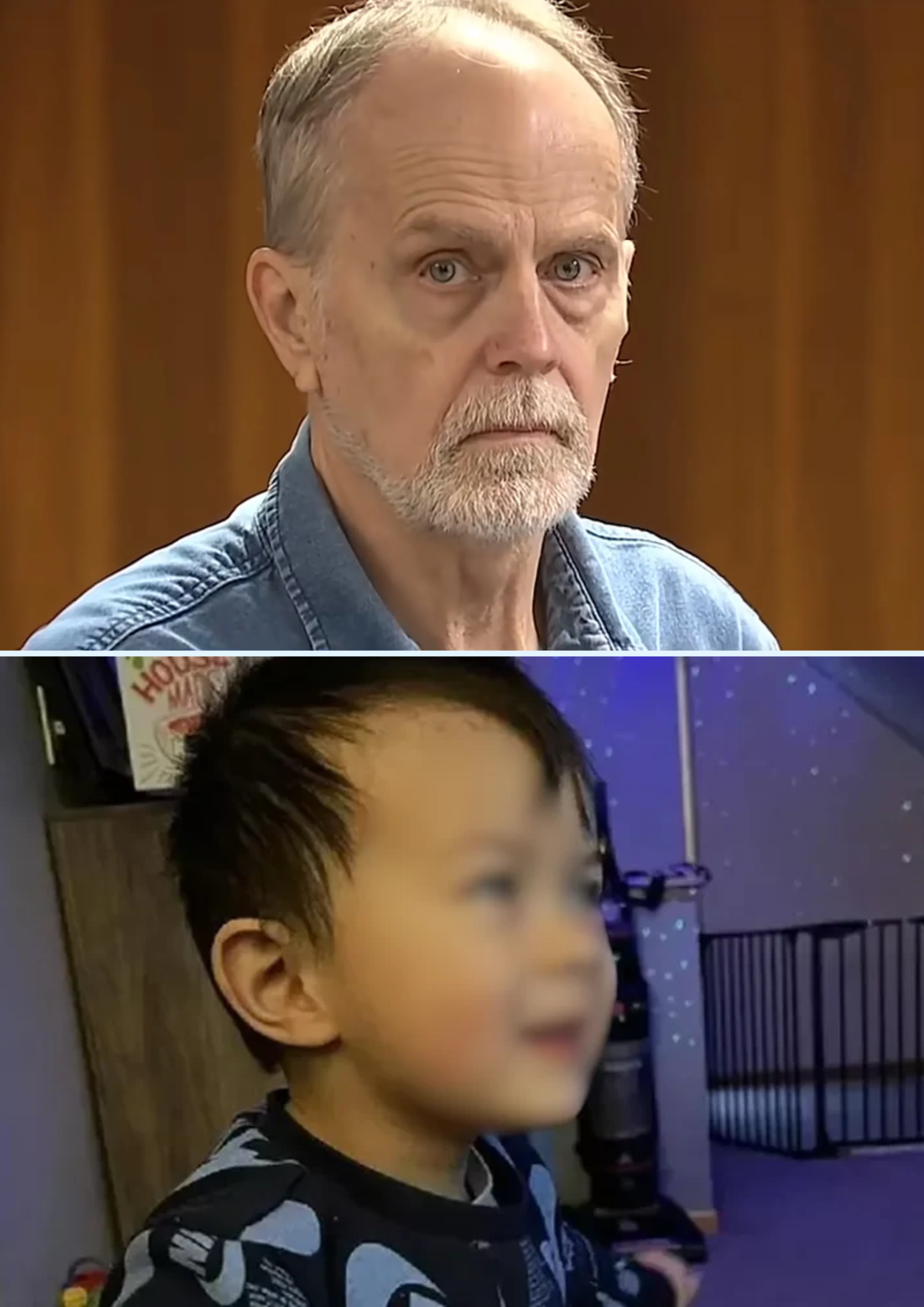
Former Safety Director Sentenced to Up to 15 Years in Prison After 5-Year-Old Dies in Hyperbaric Chamber Fire
TROY, Mich. — A former safety director at a Michigan hyperbaric oxygen therapy facility has been sentenced to prison in connection with the death of a 5-year-old boy who died after a fire erupted inside a treatment chamber.
Jeffrey Mosteller, the former safety director at the Oxford Center in Troy, Michigan, was sentenced to 19 months to 15 years in prison after pleading no contest to involuntary manslaughter in the death of Thomas Cooper.
The sentence makes Mosteller the first of four employees charged in connection with the tragedy to complete his criminal case.
:max_bytes(150000):strip_icc():focal(785x355:787x357):format(webp)/thomas-cooper-031125-6129207c615b48abbcc993487c2bdf0c.jpg) A Treatment Session Turned Tragic
A Treatment Session Turned Tragic
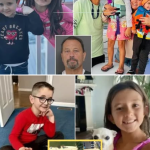
Thomas was undergoing hyperbaric oxygen therapy at the Oxford Center on January 31, 2025, when a fire erupted inside the chamber and the equipment exploded.
Thomas had been receiving treatment for sleep apnea and ADHD, according to his family’s attorney. His mother was also at the facility and suffered burns to her arms while attempting to rescue her son.
The tragedy occurred during a treatment session in an environment containing highly concentrated oxygen, which can make even a small spark extremely dangerous.
Investigators later focused on the facility’s failure to use grounding straps, safety equipment designed to discharge static electricity and reduce the risk of sparks during hyperbaric treatment.
According to prosecutors, both safety standards from the National Fire Protection Association and instructions from the chamber’s manufacturer, Sechrist, called for appropriate safety precautions that were not followed.
:max_bytes(150000):strip_icc():focal(749x0:751x2):format(webp)/thomas-cooper--02032025-8-e541a23bbf0a4eec813eae05deb7adfb.jpg) Judge Blasts Safety Failures
Judge Blasts Safety Failures
During Mosteller’s sentencing, Oakland County Circuit Court Judge Kwamé Rowe sharply criticized the former safety director’s failure to intervene.
“It was incumbent upon you to say something,” Rowe told Mosteller, emphasizing that he had a responsibility to raise concerns about the missing grounding straps.
The judge described the decision as an act of “arrogance”, questioning why established safety requirements and professional guidance were not followed.
Assistant Michigan Attorney General Chris Kessel also argued that the case demonstrated the consequences of ignoring established safety standards.
Prosecutors said Mosteller was involved in a decision-making process that resulted in the continued use of the equipment without the required grounding straps, despite guidance from safety professionals, engineers and the equipment manufacturer.
Defense: A Practice That Began Before Mosteller
Mosteller’s attorney, Alona Sharon, acknowledged that her client failed to take corrective action but argued that the practice of not using grounding straps had been established before he began working at the Oxford Center.
Sharon told the court that Mosteller had not intended to put Thomas in danger and described what happened as a devastating mistake and lapse in judgment.
“He understands the devastating nature of what happened and of his mistake and lapse in judgment,” Sharon said.
Mosteller did not address the court during his sentencing.
Thomas’ family also did not attend the hearing or provide a victim-impact statement. Prosecutors said the family remains too devastated by the tragedy to speak publicly about it.
Three Other Employees Still Face Charges
Mosteller is the first of four people connected to the Oxford Center to resolve criminal charges related to Thomas’ death.
The facility’s CEO, Tamela Peterson, and operations director, Gary Marken, were charged with second-degree murder and alternative counts of involuntary manslaughter.
Aleta Moffitt, a chamber operator, was charged with involuntary manslaughter and allegedly placing false information in a medical record.
Those cases remain pending. A separate civil lawsuit brought by Thomas’ family is also ongoing.
Michigan Attorney General Dana Nessel previously described the incident as a tragedy that could have been prevented if established safety procedures had been followed.
“While no outcome can reverse this loss,” Nessel said, she hoped the conviction would provide Thomas’ family with some measure of justice.
For Thomas’ family, however, the legal proceedings cannot change what happened on January 31, 2025 — when a routine medical treatment became a devastating tragedy inside a Michigan hyperbaric facility.