🚨💔 AFTER THE MISTRIAL, LINDSAY CLANCY IS STILL INSIDE A PSYCHIATRIC HOSPITAL — AND THE NEXT CHAPTER REMAINS UNCERTAIN

🚨💔 AFTER THE MISTRIAL, LINDSAY CLANCY IS STILL INSIDE A PSYCHIATRIC HOSPITAL — AND THE NEXT CHAPTER REMAINS UNCERTAIN
The courtroom is quiet.
The jury has gone home.
But for Lindsay Clancy, the case is far from over.
After nearly six weeks of testimony and more than 38 hours of jury deliberations, the highly watched Massachusetts murder trial ended without a verdict.
A judge declared a mistrial after jurors could not reach a unanimous decision.
And now, while prosecutors consider whether to try the case again, Clancy remains in a state psychiatric hospital — a place that has become her home for years.
She is not walking free.
She has not been acquitted.
And she has not been convicted.
Instead, she remains in custody at Tewksbury Hospital, waiting to learn what happens next.
A LIFE THAT CHANGED IN ONE NIGHT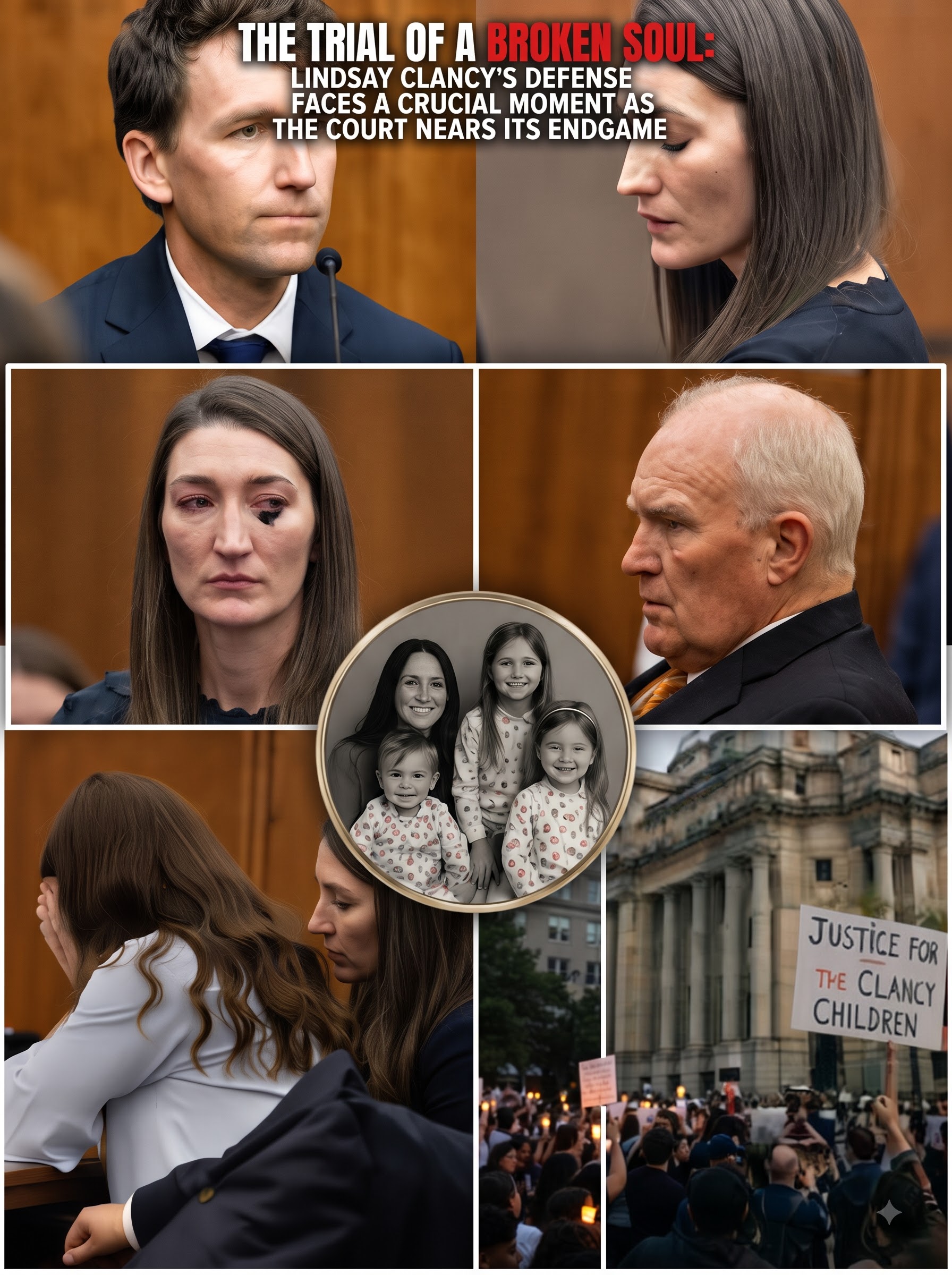
Lindsay Clancy was a mother of three young children.
In January 2023, Cora, Dawson and Callan were killed at the family’s home in Duxbury, Massachusetts.
Clancy survived a subsequent suicide attempt that left her with severe physical injuries and paralysis.
She has since remained under psychiatric care.
Her defense argued that she was suffering from severe postpartum psychosis and was not criminally responsible for what happened.
Prosecutors presented a dramatically different picture, arguing that she was capable of understanding her actions and that the killings were deliberate.
Those competing explanations became the central question of the trial.
And after weeks of testimony, the jury still could not agree.
WHAT IS LIFE LIKE FOR HER NOW?
According to testimony reported during the trial, Clancy’s life inside psychiatric care has been profoundly different from the life she once knew.
Before the tragedy, she was a nurse, a wife and a mother raising three children.
Now, she remains under institutional care while facing the possibility of another murder trial.
Expert testimony described her as deeply withdrawn and struggling with depression.
There were also accounts concerning her participation — or lack of participation — in therapy and physical rehabilitation.
Some testimony portrayed a woman whose physical and psychological condition had deteriorated dramatically after the events of January 2023.
But these descriptions came through testimony and expert opinions presented in court, not through a final judicial finding about her mental state.
HER FUTURE COULD NOW DEPEND ON ONE DECISION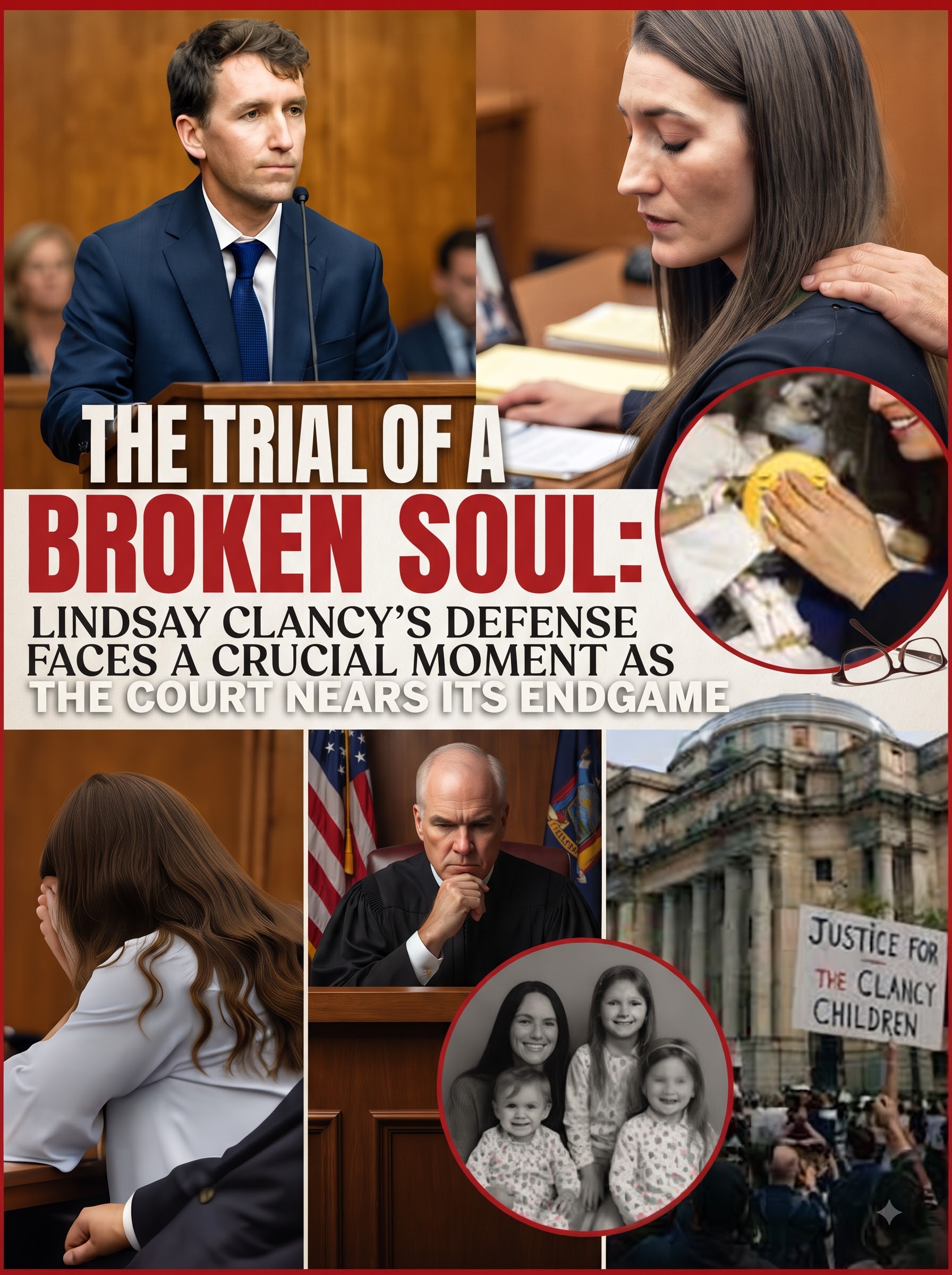
The mistrial did not erase the charges.
That distinction is crucial.
Because the jury never reached a unanimous verdict, the prosecution still has the option of seeking another trial.
Prosecutors have said they have not yet made a final decision.
A status hearing is scheduled for September 29, when the next stage of the case is expected to become clearer.
A retrial is possible.
A negotiated resolution is another possibility.
And while a dismissal is legally possible, current reporting indicates that it is not the expected outcome.
For now, Clancy remains where she has been: inside a psychiatric facility, waiting.
THE CASE HAS BECOME BIGGER THAN ONE COURTROOM
The tragedy has also ignited a national conversation about postpartum psychosis and the way severe maternal mental illness is identified and treated.
During the trial, both sides presented sharply different interpretations of Clancy’s mental health history.
Her defense argued that she had been desperately seeking help and that her psychiatric condition had been misunderstood or inadequately treated.
The prosecution challenged that explanation and argued that her actions showed planning and awareness.
The jury’s inability to agree illustrates just how difficult the questions became.
This was not simply a debate over what happened.
It was also a debate over why it happened — and whether mental illness could legally excuse criminal responsibility.
Experts say postpartum psychosis is rare but extremely serious, and the case has drawn renewed attention to gaps in awareness, diagnosis and treatment.
AND THEN THERE IS THE FAMILY
Behind all of the legal arguments are three children whose lives ended in January 2023.
Cora.
Dawson.
Callan.
Their father, Patrick Clancy, has publicly supported the defense’s portrayal of Lindsay’s mental illness and has spoken about the devastating loss of his children.
For him and for the families involved, another trial would mean returning to a period of unimaginable pain.
The possibility now hangs over everyone.
NO VERDICT. NO CLOSURE.
That may be the hardest part of this latest chapter.
After years of investigation, psychiatric treatment and courtroom testimony, there is still no final legal answer.
The jury could not agree.
The judge declared a mistrial.
And Lindsay Clancy remains hospitalized.
The September 29 hearing could provide the first major indication of where the case goes from here.
But whatever happens next, three children remain at the heart of the story.
Their names are Cora, Dawson and Callan.
And for their family, no verdict — or future trial — can ever change the fact that they are gone.
The courtroom may have stopped for now.
The case has not.