“I COULDN’T UNDERSTAND WHAT HAPPENED TO MY DAUGHTER” — PAMELA CISNEROS’ FAMILY STRUGGLES TO RECONCILE THE WOMAN THEY KNEW WITH WHAT HAPPENED IN TIMES SQUARE
“I COULDN’T UNDERSTAND WHAT HAPPENED TO MY DAUGHTER” — PAMELA CISNEROS’ FAMILY STRUGGLES TO RECONCILE THE WOMAN THEY KNEW WITH WHAT HAPPENED IN TIMES SQUARE
For Pamela Cisneros, August 31, 2026, was the day the public saw a side of her that her family said they never expected.
The 49-year-old Queens woman was accused of attacking two strangers with knives in the middle of Times Square, fatally injuring 32-year-old Bank of America executive Erin Piacenti and seriously injuring a 68-year-old man.
Moments later, Cisneros was confronted by NYPD officers while holding two knives. Police said she refused repeated commands to drop them. Officers deployed Tasers, but they appeared to have no effect. Cisneros then moved toward officers with the knives, and two officers opened fire. She was pronounced dead at a hospital.
But for her family, the shock went far beyond what happened that afternoon.
They were left asking a painful question:
How could the woman they knew become the person seen in Times Square?
 THE PAMELA HER FAMILY KNEW
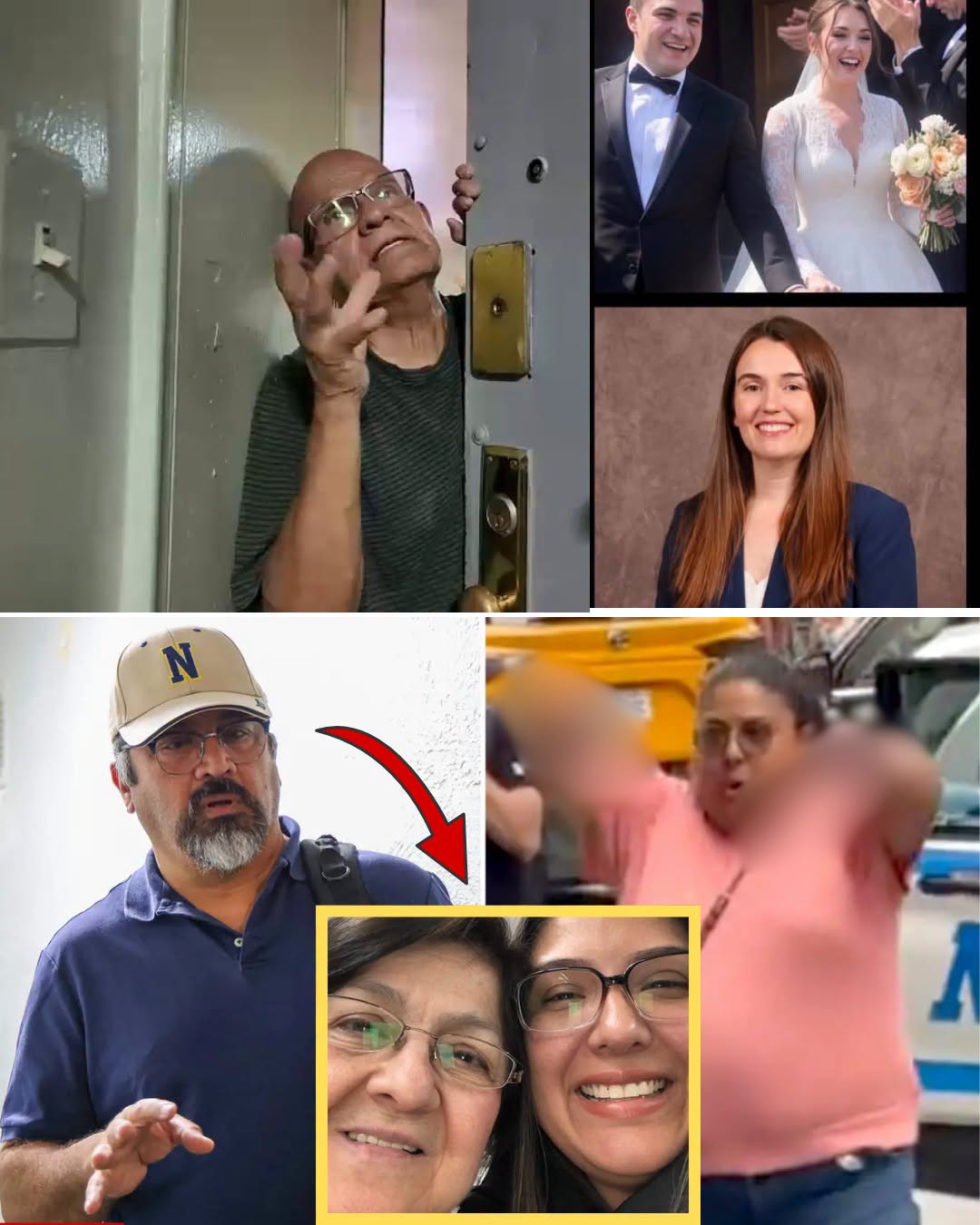
Pamela was a mother of three who had studied psychology and earned a master’s degree, according to people who knew her. She had also worked at an immigration law firm and had spent years trying to maintain a more stable life.
Her family knew about her struggles, but they also believed they had seen her reach periods of stability.
Her father, Mario Cisneros, told The New York Times that he had begun accompanying his daughter to regular mental-health appointments after a serious crisis in 2019.
For years, he believed those efforts were helping.
He thought his daughter had finally turned a corner.
“DON’T WORRY ABOUT ME”
Then came a change that, in hindsight, became difficult for the family to ignore.
In April 2026, Pamela reportedly told her father she could go to one of her appointments by herself.
She reassured him that she was fine.
At the time, there was no reason for him to believe that conversation would later become so significant.
According to her father, Pamela had increasingly expressed a desire not to depend on treatment in the same way.
The family interpreted her wish for independence as part of rebuilding her life.
They did not know they might be witnessing the beginning of another crisis.
 A QUIET LIFE IN QUEENS
Pamela had spent the last several years living alone in Queens.
To neighbors, she was largely unremarkable.
Her building manager told The New York Times that she paid her rent on time and that he had never had problems with her.
Family members likewise said there had been no obvious warning that she was about to become involved in a violent incident.
Her brother described a woman who had seemed fine when he last saw her earlier in August.
The family had spoken with her shortly before the attack.
Nothing, they said, appeared to explain what was coming.
THEN CAME AUGUST 31
Just before 4:30 p.m., police said Cisneros approached a 68-year-old man near West 41st Street and Seventh Avenue.
She was carrying two kitchen knives.
The man was injured but survived.
Less than a minute later, police said, Cisneros approached another person.
That victim was Erin Piacenti, a 32-year-old Bank of America vice president who was on her way home.
Piacenti was taken to a hospital, where she was pronounced dead.
The attack appeared to be random, according to authorities.
There was no indication that Cisneros knew either victim.
THE FINAL CONFRONTATION
Cisneros continued toward West 43rd Street, where officers confronted her near an NYPD substation.
Police ordered her to drop the knives.
She did not.
Three officers deployed Tasers, but according to the New York Attorney General’s preliminary account, they had no apparent effect.
Cisneros then allegedly moved toward officers while still holding the knives.
Two officers fired their weapons.
Cisneros was struck and later pronounced dead at a hospital.
The New York Attorney General’s Office has opened an investigation into the police shooting, as required for incidents in which an officer may have caused a person’s death. Officials emphasized that the investigation’s preliminary facts remain subject to change.
“IT JUST DOESN’T MAKE SENSE”
For Pamela’s father, the tragedy was impossible to reconcile.
He knew his daughter had struggled.
He knew there had been difficult periods.
But he also knew the woman who had sat down for family dinners, maintained her apartment and appeared to be moving forward.
After learning what had happened in Times Square, he told The New York Times that the behavior he saw reported simply did not fit the daughter he knew.
That is perhaps the most difficult part for the family to understand.
There was Pamela the public saw on August 31.
And there was the Pamela they had spent decades loving.
Somewhere between those two versions of her was a change the people closest to her say they never fully saw coming.
And now, with Pamela dead and the circumstances surrounding the attack still under investigation, her family is left with questions that may never have simple answers.