Former Pediatric Oncology Social Worker Creates Dolls That Look Just Like the Children Who Need Them
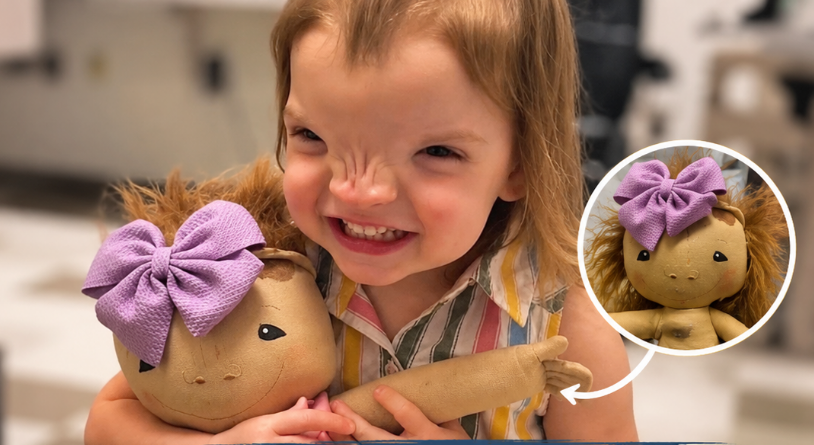
She Creates Dolls That Look Like Children Who Rarely See Themselves Represented
For some children, finding a doll that looks anything like them can be surprisingly difficult.
That is the reality former pediatric oncology social worker Amy Jandrisevits noticed during her years working with children and families facing serious medical challenges. She eventually decided to do something about it.
Through her project A Doll Like Me, Jandrisevits creates handmade dolls modeled after individual children who may not see themselves reflected on ordinary toy-store shelves.
Her dolls have been designed to represent children with limb differences, scars, birthmarks, albinism, cancer-related changes and facial differences, as well as children who use medical equipment such as feeding tubes and cochlear implants.
Each doll is created with a specific child in mind.
The idea grew out of Jandrisevits’ earlier work in pediatric social services, where she saw firsthand how meaningful dolls could be during play and difficult medical experiences. But she also noticed something missing: many of the dolls available to children looked nothing like the young patients she was caring for.
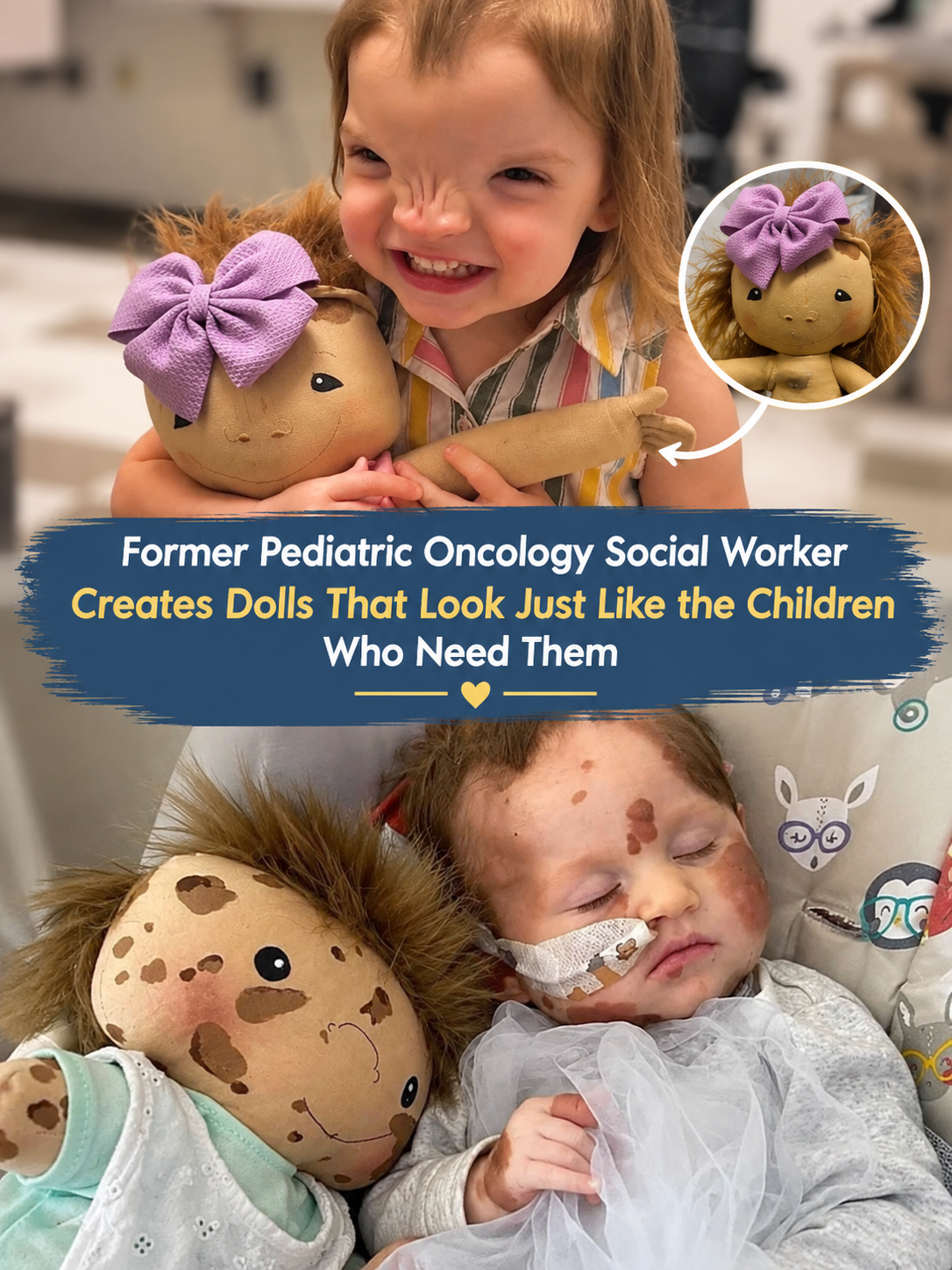
That realization eventually inspired A Doll Like Me.
Jandrisevits told CBS News that children understand a doll is simply a toy, but seeing a doll that shares their differences can still have enormous emotional significance. For a child who may feel isolated because of their appearance or medical condition, that small connection can help them feel “not so alone.”
And that is what makes the project about far more than sewing.
A doll with a scar can tell a child that their scar does not make them less worthy of being represented. A doll with a limb difference can help normalize something a child may have once felt self-conscious about. A doll wearing medical equipment can turn something associated with hospitals and treatment into something familiar and comforting.
Each one is made from fabric, thread and countless small details—but the message behind it is much bigger.
For children who have spent years looking at toys that do not resemble them, finally seeing their own features reflected in something made especially for them can be powerful.
Jandrisevits is offering children something many people take for granted: the chance to look at a toy and recognize themselves.
It may be a small doll.
But for a child who has rarely seen anyone—or anything—that looks like them, representation can mean so much more than the toy itself.