Rob Reiner Told Wil Wheaton Why He Cast the Other 3 Boys in Stand by Me — but Never Really Told Wil
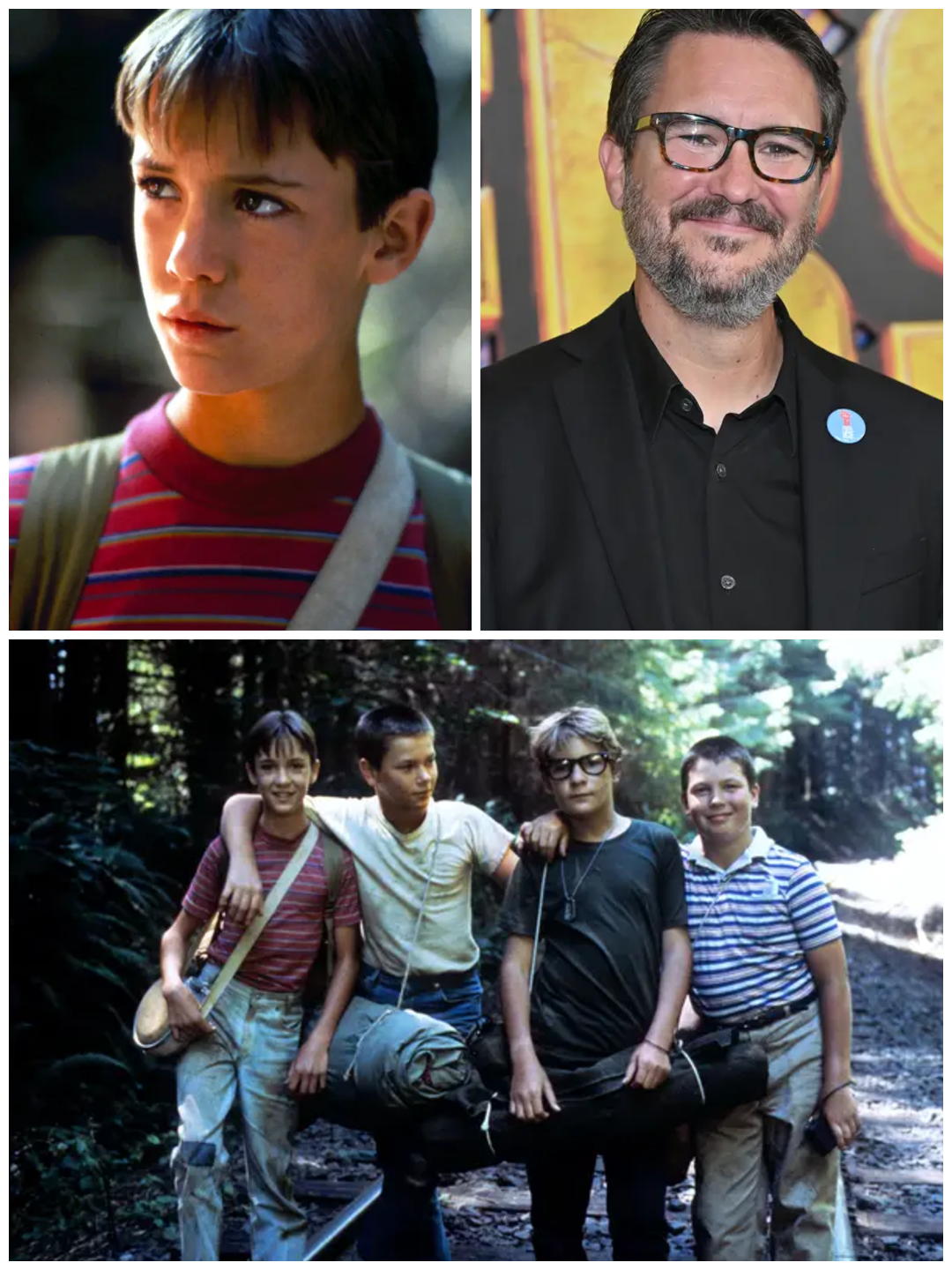
Four boys walked down a railroad track in the summer of 1959, and somehow millions of people saw themselves walking alongside them.
Gordie. Chris. Teddy. Vern.
Forty years after Stand by Me reached theaters in 1986, the performances still feel so natural that it can be easy to forget how difficult director Rob Reiner’s casting challenge actually was.
He needed four young actors who could feel like real childhood friends rather than four children performing friendship for a camera.
According to Wil Wheaton, Reiner saw hundreds of children while assembling the group that eventually became Wheaton, River Phoenix, Corey Feldman and Jerry O’Connell.
Years later, the choices look almost inevitable.
But during production, Wheaton wanted to know something.
Why these four boys?
Reiner apparently had very specific answers.
He explained why Feldman was Teddy Duchamp. He explained what he saw in Phoenix that made him right for Chris Chambers. He explained why O’Connell belonged in the role of Vern Tessio.
Then Wheaton asked about himself.
And suddenly, Reiner became much less specific.
The answer stayed with Wheaton for decades.
Only when he reached his 40s did he believe he finally understood what Reiner may have seen in that 12-year-old boy — something Wheaton himself had not yet been able to recognize.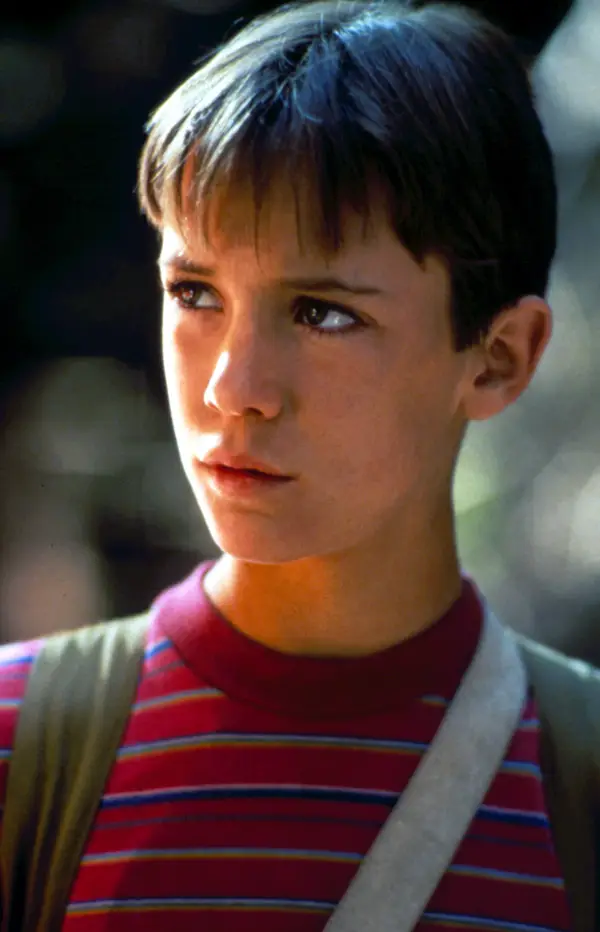
Reiner Wasn’t Simply Looking for Children Who Could Act
Stand by Me, adapted from Stephen King’s novella The Body, follows four boys who set out to find the body of a missing child.
But the search is only the structure holding the movie together.
Underneath it is a story about friendship, grief, family, fear and the moment childhood begins slipping away.
That emotional honesty is one reason the film continues to resonate four decades later. In interviews marking its 40th anniversary, Wheaton has said viewers can recognize themselves in one or more of the four boys, while the meaning of the film changes as audiences grow older.
Reiner understood early that finding the right children was crucial.
Wheaton recalled that Reiner told him he had seen roughly 500 children for each role.
For Teddy, Reiner believed Feldman carried the kind of emotional intensity the character required.
Phoenix, meanwhile, possessed qualities that connected naturally with Chris, the boy who appears tougher and more mature than his friends but carries wounds of his own.
O’Connell had what Reiner needed for Vern.
There seemed to be an identifiable reason behind every choice.
So Wheaton asked the obvious question.
Why Gordie?
Reiner’s answer was remarkably short:
“You were the only kid who could play Gordie.”
Wheaton wanted more.
Reiner never really gave him more.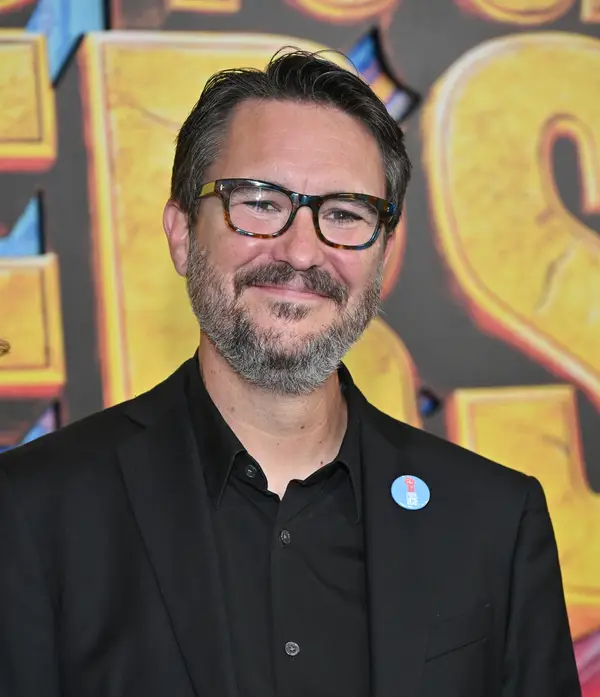
For Years, Wheaton Didn’t Know What That Answer Meant
On the surface, Reiner’s statement could sound like the ultimate compliment.
Perhaps Wheaton gave the best audition.
Perhaps he understood the dialogue better.
Perhaps his quietness simply worked for Gordie.
But decades later, Wheaton came to believe the answer went much deeper than acting technique.
Gordie Lachance begins Stand by Me carrying an enormous amount of grief.
His older brother Denny, the family member who encouraged his writing and made him feel valued, has died. Gordie’s parents are trapped inside their own grief, leaving their surviving younger son feeling almost invisible.
Gordie eventually tells Chris that he believes his father hates him and that he isn’t any good.
For audiences, that vulnerability is one of the emotional foundations of the movie.
For the young Wil Wheaton, it may not have required much invention.
In his August 2026 interview with BuzzFeed, Wheaton said he did not fully understand until his 40s how closely his own emotional life had resembled Gordie’s.
He has described growing up feeling rejected by his father and longing to be noticed by him. Wheaton has also said that acting was something his mother pushed him into rather than something he had initially chosen for himself.
When he auditioned for Stand by Me, he was barely 12.
Looking back, Wheaton believes that when he entered the room and played a lonely boy desperate for connection, Reiner may have been seeing something genuine rather than manufactured.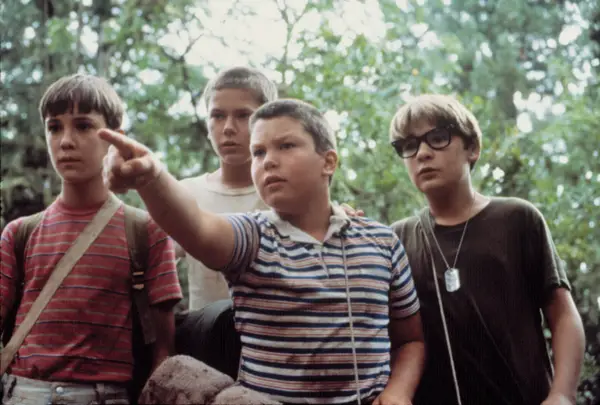
Then Wheaton Finally Understood Reiner’s Silence
This is where Reiner’s strange answer began to make sense to him.
Wheaton now believes Reiner may have recognized the sadness inside him before Wheaton had the emotional language to recognize it himself.
In other words, Reiner could explain Feldman, Phoenix and O’Connell in terms of what each actor brought to his character.
But explaining Gordie to Wheaton might have required telling a 12-year-old something far more painful.
Wheaton believes Reiner could see that the loneliness on screen was already part of the boy standing in front of him.
Watching Stand by Me repeatedly during its 40th-anniversary events helped sharpen that realization.
Wheaton said he can now look at his younger self on screen and see grief in his posture and sorrow in his eyes — emotions that belonged to Gordie but also existed in his own childhood.
That possibility transforms Reiner’s answer.
“You were the only kid who could play Gordie” may not have meant that Wheaton was simply the best performer.
It may have meant that, in an important emotional sense, he already understood Gordie because he was living something similar.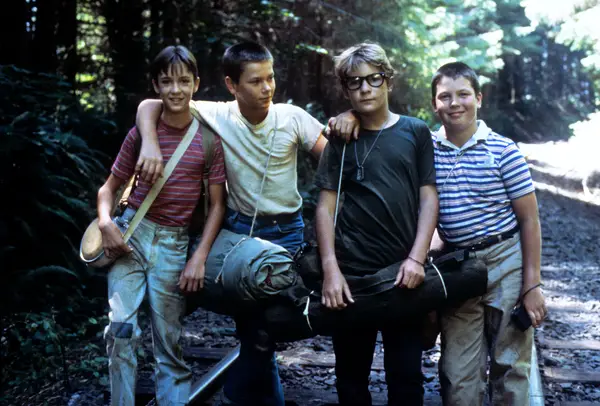
Reiner’s Method Was to Let the Boys Be Boys
The casting was only half of Reiner’s achievement.
Once he had found his four actors, he had to keep them from looking like actors.
Wheaton remembers Reiner spending roughly two weeks before filming doing theater games, improvisation exercises and rehearsals with the boys.
More importantly, he encouraged them to spend time together away from formal scenes.
They played.
They joked.
They developed the rhythms of an actual group of children.
Wheaton has repeatedly credited that environment with creating the friendship viewers eventually saw on screen.
Reiner did not expect children to approach acting like trained adults. Instead, according to Wheaton, he tried to build circumstances in which they felt comfortable enough to react naturally, take risks and become vulnerable.
For Wheaton personally, that approach mattered enormously.
He has described Reiner as one of the first directors to speak to him respectfully about a character’s emotions instead of simply treating him like a child who needed to hit a mark and deliver lines.
Four decades later, Wheaton still traces much of what followed in his life back to Reiner choosing him.
The Performance Looks Different Once You Know
That may be the strangest thing about revisiting Stand by Me now.
For 40 years, viewers have watched Gordie Lachance believing they were watching a gifted young actor portray a grieving, lonely child.
They were.
But Wheaton’s own interpretation of the performance has changed.
He now believes some of what audiences responded to was not acting in the conventional sense at all.
Reiner had looked through hundreds of possible Gordies.
Then Wil Wheaton walked into the room.
Years afterward, Reiner could tell him what he saw in the other boys.
But when Wheaton asked what made him different, the director left him with only one sentence.
He was the only kid who could play Gordie.
Wheaton needed decades to decide what that sentence might really have meant.
And once you know his explanation, it becomes difficult to look at the boy walking those railroad tracks quite the same way again.