COLORADO DNA SCANDAL EXPLODES — FORENSIC ANALYST SENTENCED TO 10 YEARS AFTER MANIPULATING EVIDENCE

COLORADO DNA SCANDAL EXPLODES — FORENSIC ANALYST SENTENCED TO 10 YEARS AFTER MANIPULATING EVIDENCE
YVONNE “MISSY” WOODS SPENT DECADES WORKING INSIDE COLORADO’S CRIME LAB. NOW HER DNA MISCONDUCT HAS FORCED AUTHORITIES TO REEXAMINE HUNDREDS OF CASES.
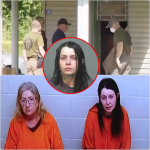
A former Colorado forensic analyst has been sentenced to 10 years in state prison after admitting to manipulating DNA-related data in criminal investigations — a scandal that has shaken confidence in forensic evidence across the state.
Yvonne “Missy” Woods, 66, worked for the Colorado Bureau of Investigation (CBI) for nearly three decades.
But investigators eventually discovered that evidence handled by Woods had been altered or deleted, raising questions about the reliability of forensic work used in criminal cases dating back years.
Woods was sentenced on September 8 after pleading guilty to four felony charges: cybercrime, first-degree perjury, attempting to influence a public servant and forgery.
 THE DISCOVERY THAT STARTED EVERYTHING
The investigation began in September 2023.
A CBI intern reviewing a case discovered that DNA information appeared to be missing from a sample Woods had processed in 2018.
That discovery triggered a much broader review.
Investigators eventually found other examples of altered or deleted information, prompting the CBI to request an independent criminal investigation by the South Dakota Division of Criminal Investigation.
What investigators uncovered was far larger than a single laboratory error.
Woods had worked on forensic evidence for years, including cases involving homicide, sexual assault, robbery and other serious crimes.
 DATA WAS ALTERED — AND SOME REPORTS WERE WRONG
According to prosecutors, investigators identified 53 cases involving false or misleading laboratory reports containing statements attributed to Woods.
Of those cases, 41 never resulted in criminal charges against a suspect.
Thirty-two involved women and children who had reported sexual assault.
Prosecutors said Woods deleted values indicating the presence of male DNA and subsequently issued reports stating that no male DNA had been detected.
That meant investigators could have lost opportunities for additional testing, comparisons or further investigation.
The consequences extended beyond those 53 cases.
Authorities said Woods’ manipulation of values in laboratory notes affected hundreds of additional cases, even when those changes did not ultimately produce a false report.
SOME CASES HAD ALREADY REACHED COURT
The scandal became particularly serious because some of Woods’ forensic work had already been used in criminal prosecutions.
Twelve of the false laboratory reports identified by investigators were connected to cases in which suspects had been charged.
Three of those cases went to trial.
One resulted in a conviction.
Two ended in acquittals.
Prosecutors said Woods’ guilty plea for perjury was connected to false testimony she gave during the trial that produced a first-degree murder conviction.
At least one murder conviction has since been vacated as authorities reassess the consequences of the forensic misconduct. Other convictions and cases have also faced scrutiny.
BUT INVESTIGATORS FOUND NO EVIDENCE OF FAKE DNA MATCHES
There is an important distinction in the scandal.
Although Woods manipulated DNA-related data and laboratory records, investigators said they did not find evidence that she fabricated DNA identifications, false comparisons or false-positive results.
Instead, the misconduct involved altering or deleting information and creating misleading documentation about forensic testing.
That distinction matters because it defines what investigators have — and have not — established about the scope of the damage.
SHE WORKED AT THE CBI FOR ALMOST 30 YEARS
Woods joined the Colorado Bureau of Investigation in 1994 and remained there until 2023.
During that time, she worked at CBI laboratories in Jefferson County and became a highly experienced forensic scientist.
Authorities said concerns about her work had surfaced years before the 2023 investigation.
A 2024 internal affairs report found that questions about Woods’ testing had been raised as early as 2014.
In 2018, she was temporarily removed from DNA-related work after allegations of data manipulation, according to the report.
The revelations have therefore raised questions not only about Woods’ actions, but also about how concerns surrounding her work were handled over the years.
“I FAILED THAT RESPONSIBILITY”
At her sentencing, Woods apologized for what she had done.
She acknowledged that she had been entrusted with evidence capable of affecting defendants, victims, families and courts.
But she also recognized that an apology could not undo the consequences.
Judge Andrew Poland described her conduct as intentional misconduct by a highly trained professional in a position of extraordinary trust, according to prosecutors.
The judge ultimately sentenced Woods to 10 years in state prison.
COLORADO NOW HAS TO REVISIT THE DAMAGE
The scandal has created a massive forensic review.
Hundreds of criminal cases have been examined or remain under scrutiny, while prosecutors and defense attorneys assess whether Woods’ involvement affected the outcome of individual cases.
State officials have warned that the broader response could cost more than $11 million.
The Colorado Bureau of Investigation has also announced reforms aimed at strengthening laboratory procedures and rebuilding public confidence in forensic testing.
CBI Director Armando Saldate said the actions of one individual should not define the many employees who continue to work in the state’s forensic system.
But for victims, defendants and families whose cases passed through Woods’ laboratory, the questions may last much longer.
THE QUESTIONS ARE FAR FROM OVER
A DNA result can become one of the most powerful pieces of evidence in a criminal investigation.
It can connect a suspect to a crime scene.
It can exclude an innocent person.
And sometimes, years after a case is closed, it can become the key to reopening everything.
Now Colorado is confronting what happens when the person trusted to protect that evidence violates that trust.
Yvonne “Missy” Woods will spend the next decade in prison.
But the forensic fallout from her actions could continue for years — as investigators, prosecutors, defense attorneys and families try to determine exactly which cases were affected, what evidence can still be trusted, and whether justice was compromised along the way.
The sentence may have closed one chapter of the scandal. The review of the cases is only beginning.