Inside the Lindsay Clancy Jury Room: Juror Describes Unusual Demonstration Before 11-1 Deadlock
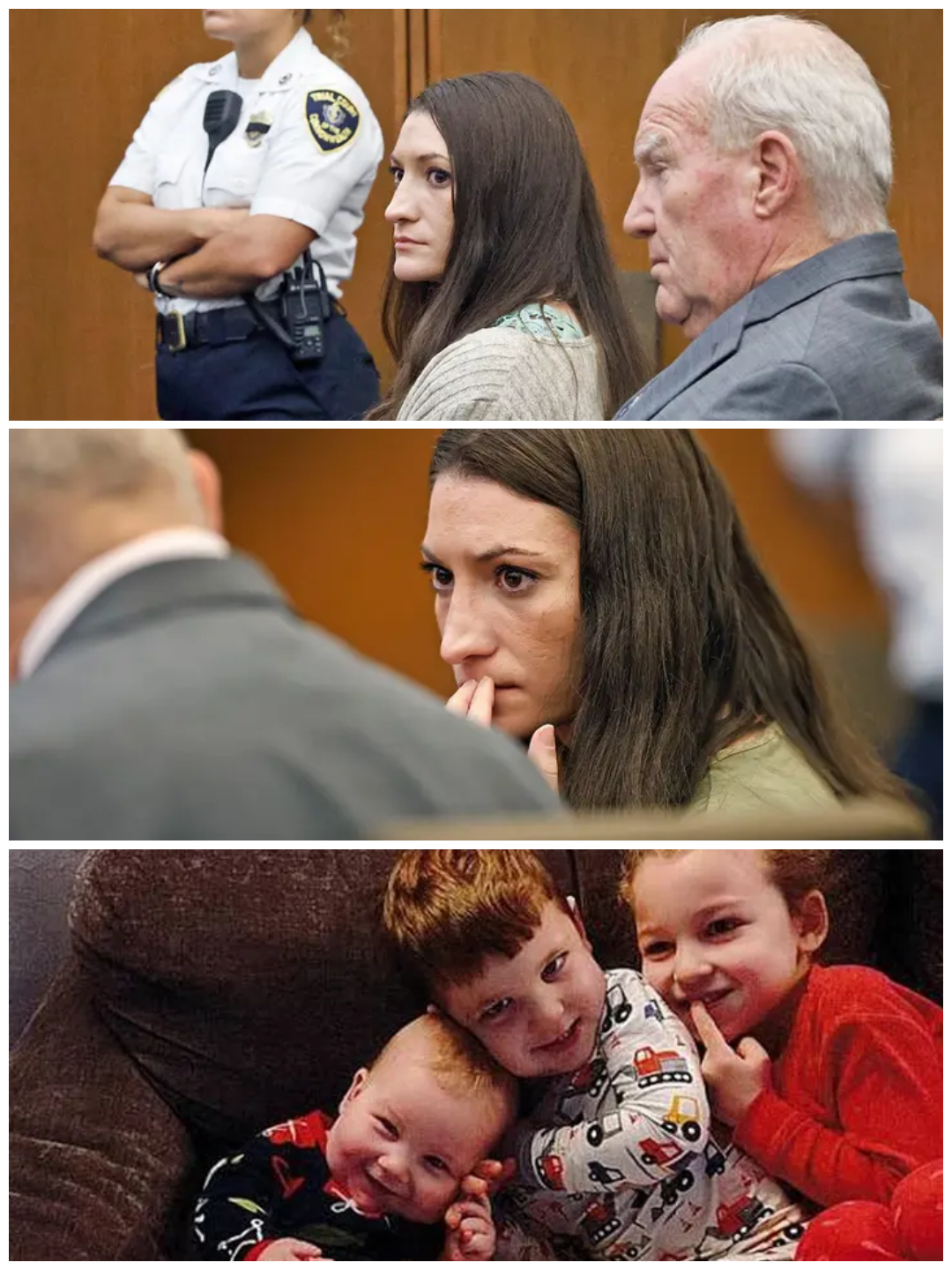
The Lindsay Clancy murder trial ended without a verdict, but the most startling development may have happened away from the courtroom — behind the closed doors of the jury room.
One juror now says the lone holdout in the closely watched Massachusetts case used an exercise band and an empty water bottle to physically demonstrate how he believed Clancy’s three young children had been strangled.
The moment stunned at least one other member of the panel and has become part of a growing public account of the tense deliberations that ultimately ended in a mistrial.
Juror Nick Dargie, 25, described watching the holdout wrap the exercise band around the bottle and pull on it. Dargie said he was shocked by the demonstration and questioned why the juror was attempting to reconstruct what happened instead of focusing on the testimony and evidence presented during the trial.
The dispute mattered because the jury reportedly stood at 11-1.
They never reached the unanimity required for a verdict.
Three Children at the Center of the Case
Clancy, 36, was tried on three counts of first-degree murder in connection with the January 2023 deaths of her children at the family’s home in Duxbury, Massachusetts.
Her daughter Cora was 5. Her son Dawson was 3. Her youngest child, Callan, was only 7 months old.
All three children were found strangled.
Clancy pleaded not guilty to the charges.
After a lengthy trial, jurors were given the responsibility of deciding whether prosecutors had proved their case beyond a reasonable doubt. But what followed was days of deliberation without a unanimous decision.
By Thursday, Sept. 3, the panel had entered a sixth day of trying to reach a verdict.
The deadlock eventually proved impossible to overcome.
Judge William Sullivan declared a mistrial on Friday after the jury remained divided, reportedly with 11 jurors on one side and a single holdout on the other.
A Demonstration That Left One Juror Stunned
Dargie’s account offers a rare glimpse into what was happening as the jurors struggled to reach agreement.
According to him, the holdout removed an exercise band from a bag during deliberations. He then took an empty water bottle, placed the band around it and pulled.
Dargie said the act immediately troubled him.
His concern was not merely that the demonstration was uncomfortable. He believed jurors were supposed to evaluate what had been introduced during the trial rather than create their own experiments or attempt to independently reconstruct the crime.
Dargie recalled challenging the holdout about his reasoning.
What frustrated him even more, he said, was the apparent lack of evidence the juror could identify to support his position.
Dargie said he repeatedly asked the holdout to point to testimony from a witness or a specific piece of evidence that explained his conclusions.
According to Dargie, the juror could not do so.
That disagreement eventually went beyond an ordinary clash of opinions among jurors.
The Jury Sent the Judge a Note
At some point during the increasingly difficult deliberations, the jury foreperson sent a note to the court.
The message reported that one juror was refusing to follow the court’s instructions concerning reasonable doubt.
That issue was particularly significant because reasonable doubt sits at the heart of a criminal trial. Jurors are required to apply the law as instructed by the judge, even when they disagree with one another about what conclusion the evidence supports.
The note signaled that the jury’s problem was not simply that 12 people viewed the evidence differently.
According to the account now emerging from members of the panel, some jurors believed the holdout was not properly applying the legal instructions they had been given.
Eventually, the court concluded that the panel could not reach a unanimous decision.
The mistrial meant that the closely followed case ended without either a conviction or an acquittal.
But the revelations from inside the jury room quickly created another legal question.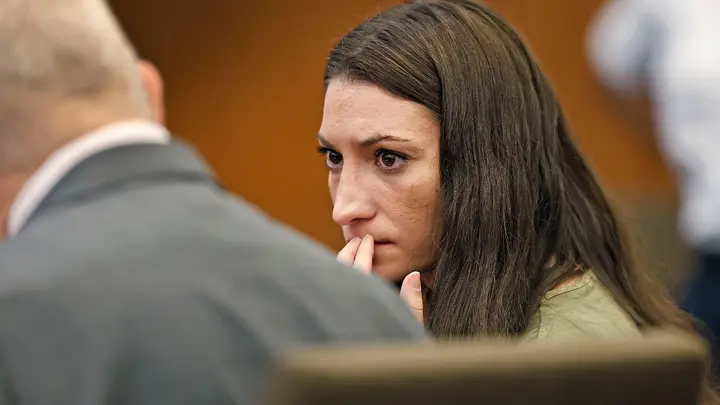
Clancy’s Lawyer Is Preparing a New Challenge
After multiple jurors began describing what occurred during deliberations, Clancy’s defense attorney, Kevin Reddington, announced that he planned to pursue a new motion seeking dismissal of the case on double-jeopardy grounds.
Reddington made clear that he was not objecting simply because one person refused to join the other 11 jurors.
A holdout juror, he said, has every right to maintain a genuinely different conclusion.
Reddington said he would defend a juror’s right to hold out even for an extended period.
His concern was different.
He pointed to the foreperson’s report that the holdout had reasonable doubt but was allegedly refusing to follow the judge’s legal instructions. That, Reddington indicated, was what angered him about the situation.
The distinction could now become part of the defense’s post-mistrial strategy.
Rather than treating the deadlock as nothing more than an unsuccessful attempt to secure unanimity, Reddington is preparing to challenge what happened after the jury’s concerns about the holdout were brought to the court’s attention.
What Happens Next Remains Unclear
The mistrial did not resolve the allegations against Clancy.
Nor did it answer whether prosecutors will move forward with another trial.
As of the latest developments described in the case, Plymouth County District Attorney Timothy Cruz had not publicly indicated what course his office would take following the mistrial.
Judge Sullivan has set a status hearing for Sept. 29, creating the next major date in a case that has already moved from a devastating family tragedy to a closely watched courtroom battle and now to controversy over what happened inside the jury room.
For the jurors themselves, however, the experience appears to have left strong emotions behind.
Dargie’s description suggests the disagreement was not simply one person calmly seeing the evidence differently from everyone else. He recalled repeatedly asking for the evidentiary basis behind the holdout’s position and becoming increasingly troubled when he believed none was provided.
Then came the exercise band and water bottle.
For Dargie, that moment crystallized the problem: jurors were deciding an extraordinarily serious case involving the deaths of three small children, and he believed the discussion had moved beyond the evidence they had been instructed to evaluate.
The criminal case now remains unresolved.
Clancy still faces the consequences of the charges against her, her attorney is preparing a new legal challenge, prosecutors must decide how to proceed, and the court is scheduled to revisit the case later this month.
But after the 11-1 split became public, attention is no longer focused solely on the evidence heard during the trial.
It has also shifted to one question that emerged only after the mistrial: exactly what happened inside that jury room — and whether it could change what happens next.