Lil Durk Acquitted on All Five Counts After Jury Rejects Murder-for-Hire Case
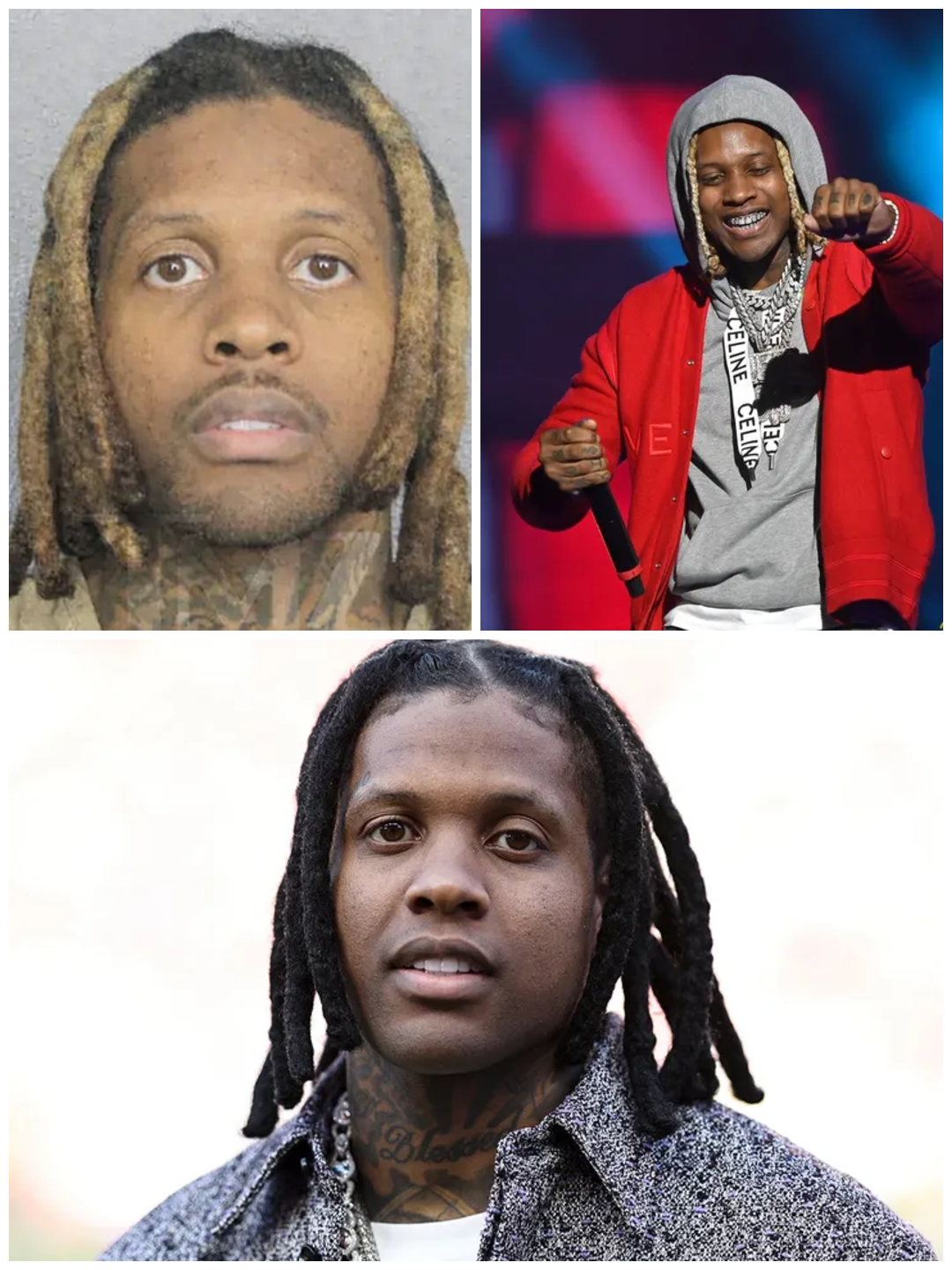
After three days of deliberations, the jury delivered the answer Lil Durk had been waiting for: not guilty on every charge.
The rapper was acquitted on all five counts in the federal murder-for-hire case tied to a deadly 2022 shooting in Los Angeles, rejecting prosecutors’ claim that he had arranged an attack intended to kill rival rapper Quando Rondo.
The verdict brought a dramatic conclusion to a case built around an alleged act of retaliation, 18 gunshots fired at a black Escalade and the death of a man who prosecutors said was never the intended target.
At the center of the government’s theory was a simple but explosive allegation: prosecutors argued that Lil Durk had hired people to kill Quando Rondo.
The defense told jurors a very different story.
Prosecutors Said the Shooting Was Revenge
The case traced back to violence that occurred years before the Los Angeles shooting.
Prosecutors argued that Lil Durk wanted retaliation following the 2020 death of his close friend Dayvon “King Von” Bennett.
King Von was killed outside an Atlanta nightclub after an encounter involving people associated with Quando Rondo.
According to prosecutors’ theory, the hostility did not end there.
They alleged that Lil Durk later arranged for a team to target Quando Rondo in Los Angeles.
Then came the 2022 shooting.
Gunmen opened fire on Quando Rondo’s black Escalade outside the Beverly Center, prosecutors said. A total of 18 shots were fired.
Quando Rondo survived.
His cousin, Saviay’a Robinson, did not.
Robinson was struck and killed in the gunfire, turning what prosecutors described as an attempted hit on a rapper into a fatal case with consequences far beyond the intended target.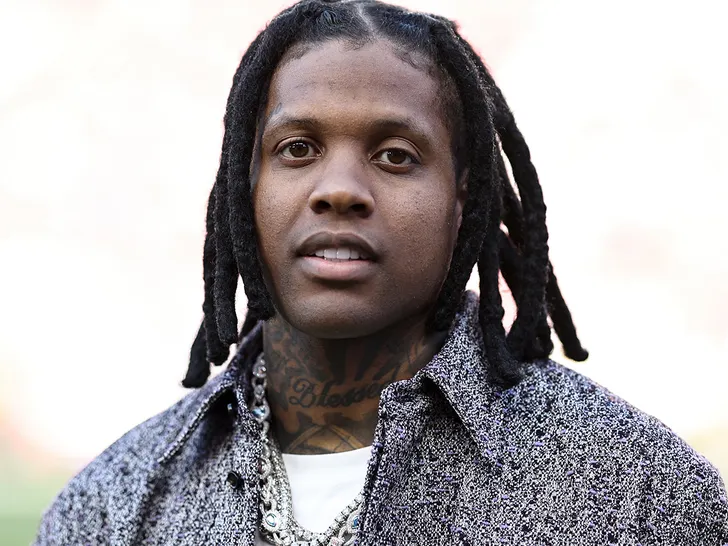
The Government Put Lil Durk at the Center of the Plot
Lil Durk was charged alongside two other people in connection with the shooting.
He ultimately faced five federal counts: conspiracy, stalking using a dangerous weapon, stalking resulting in death and two charges involving murder-for-hire.
Prosecutors’ case required jurors to accept that Durk was not merely connected socially to people involved in the incident but was responsible for directing the alleged operation.
That distinction became crucial.
No one disputed in the case described that the Los Angeles shooting had happened or that Robinson had been killed.
The central fight was over who was responsible for setting the events in motion.
Prosecutors said the answer was Lil Durk.
His defense said they had the wrong man.
The Defense Pointed to Durk’s Former Assistant
Rather than simply arguing that prosecutors lacked evidence, Lil Durk’s attorneys offered jurors an alternative explanation for who had ordered the attack.
They pointed to Kavon Grant, described as Durk’s former assistant.
The defense claimed Grant was the person who ordered the hit on Quando Rondo and argued that he did so in an effort to impress Lil Durk.
That argument placed a very different interpretation on the alleged plot.
Under the prosecution’s theory, the people involved were acting because Durk wanted revenge.
Under the defense theory, someone within his orbit acted independently and prosecutors incorrectly treated that person’s conduct as an order from the rapper himself.
That difference went directly to the question jurors had to decide.
Was Lil Durk the person behind the alleged murder-for-hire plan, or had prosecutors failed to prove that connection beyond a reasonable doubt?
After hearing the case, the jury chose the second answer.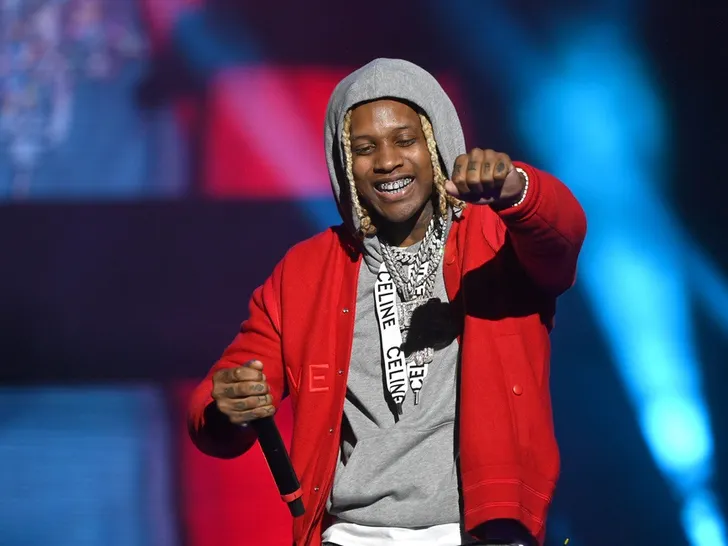
Three Days of Deliberation Ended With Five Not-Guilty Verdicts
Jurors spent three days considering the evidence before returning to court.
When the verdict was announced, Durk was found not guilty on every count.
The acquittal covered the entire federal case against him — not simply one disputed charge.
He was cleared of conspiracy.
He was cleared of stalking using a dangerous weapon.
He was cleared of stalking resulting in death.
And jurors acquitted him on both counts involving murder-for-hire.
The result represented a complete rejection of the criminal charges the jury had been asked to decide.
For Durk, the stakes could hardly have been higher.
The accusations connected him to an alleged revenge plot that ended with a man dead and placed his own role under intense scrutiny.
But criminal trials are not decided simply by whether prosecutors present a compelling narrative.
They must convince jurors that the accused person committed the charged crimes beyond a reasonable doubt.
In Durk’s case, the jury was not persuaded.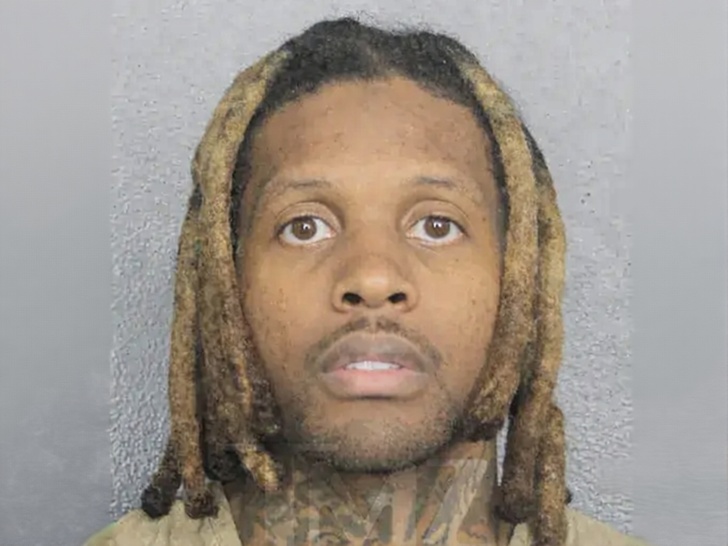
One Shooting, Two Very Different Stories
The trial ultimately revolved around competing explanations for the same violent event.
The government asked jurors to see the shooting as part of a chain of retaliation stretching from Atlanta in 2020 to Los Angeles in 2022.
King Von was killed.
Prosecutors alleged Durk wanted revenge.
Quando Rondo was targeted.
Eighteen rounds were fired at his vehicle.
Robinson was killed instead.
From that sequence, prosecutors argued that Durk was the figure who had set the alleged murder-for-hire plan into motion.
The defense attacked the most important link in that chain: the claim that the order came from Durk.
By identifying Grant as the person they said actually ordered the attack, Durk’s attorneys gave jurors a reason to separate the rapper from the decision that prosecutors claimed drove the shooting.
The verdict shows that prosecutors did not convince the jury otherwise.
The Verdict Changes the Ending of a High-Stakes Case
The shooting itself remains a deadly chapter in the conflict described during the case.
A vehicle was riddled with gunfire.
Eighteen shots were fired, according to prosecutors.
Saviay’a Robinson lost his life.
But after the federal government accused Lil Durk of orchestrating the attack, the jury did not hold him criminally responsible for the charges brought against him.
That is now the defining legal outcome of his case.
For months, the allegations placed the rapper at the center of a story involving music-industry rivalries, the death of King Von and an alleged attempt to kill Quando Rondo.
After three days inside the jury room, however, five separate charges all ended the same way.
Not guilty.