A Discarded Coors Light Can Helped Crack a Murder Mystery From 1981
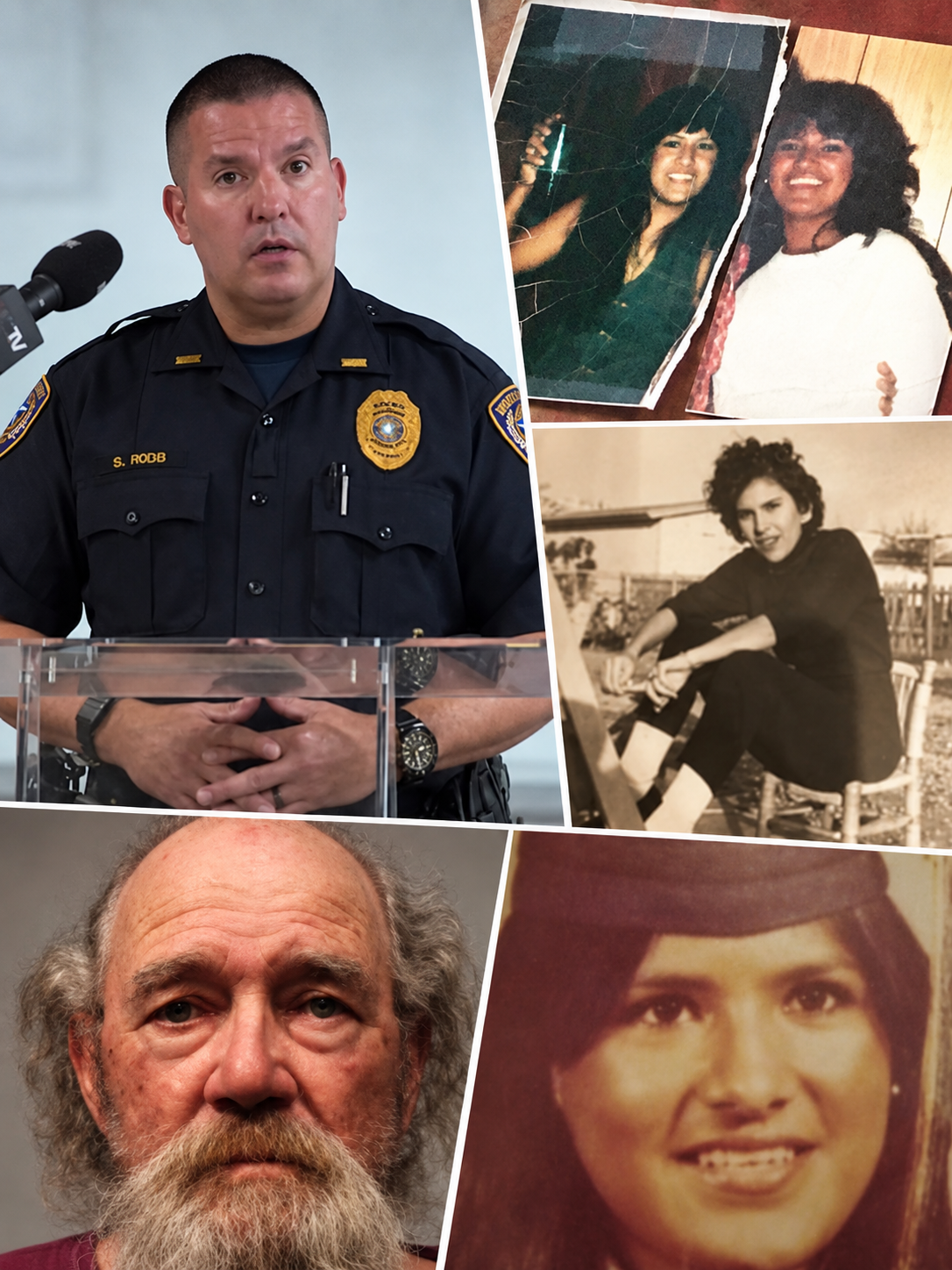
For nearly 45 years, the killing of 23-year-old Yolanda Herrera remained unsolved.
Investigators had preserved evidence from her body.
They had examined possible suspects.
They had spent years trying to identify the man whose DNA appeared to have been left behind during the attack.
But the case eventually went cold.
Then, decades later, advances in forensic science narrowed the search to an Arizona man named Kelly Lee Brower.
Detectives still needed something crucial: a modern DNA sample they could compare directly with the evidence collected in 1981.
According to investigators, they found it in Brower’s trash.
A discarded Coors Light can reportedly provided the DNA they needed.
In February 2026, laboratory testing linked DNA from the can to male DNA preserved from beneath Herrera’s fingernails.
Months later, Brower was arrested on a capital murder charge.
An object thrown away as garbage had become one of the final pieces in a mystery that had survived for almost half a century.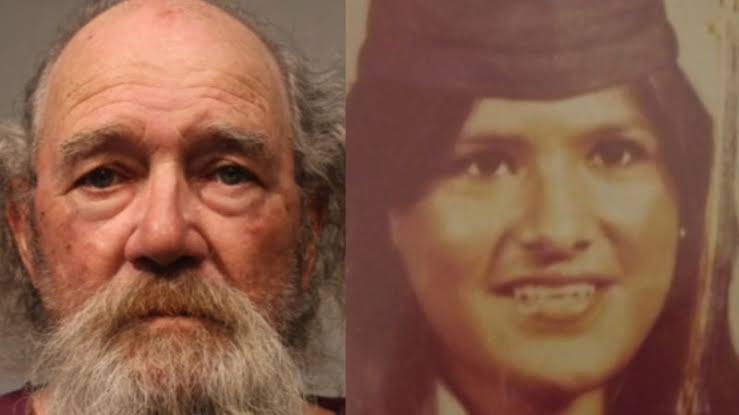
Yolanda Walked Away From a Bar — Then Disappeared
Yolanda Herrera was 23 years old and recently divorced when she disappeared in April 1981.
During the early morning hours of April 11, she was last seen leaving a local bar called Johnny’s Inn in the Universal City area outside San Antonio.
She was reportedly walking away from the bar.
Then the trail stopped.
Two days later, on April 13, children discovered a woman’s body in a field near the 500 block of East Aviation Drive in Bexar County.
It was Yolanda.
She had been sexually assaulted and severely beaten.
An autopsy determined that she died from multiple blunt-force injuries.
Investigators collected evidence from her body, including biological material associated with the sexual assault and material from beneath her fingernails.
Those samples would eventually become extraordinarily important.
But in 1981, the science needed to extract their full potential did not yet exist.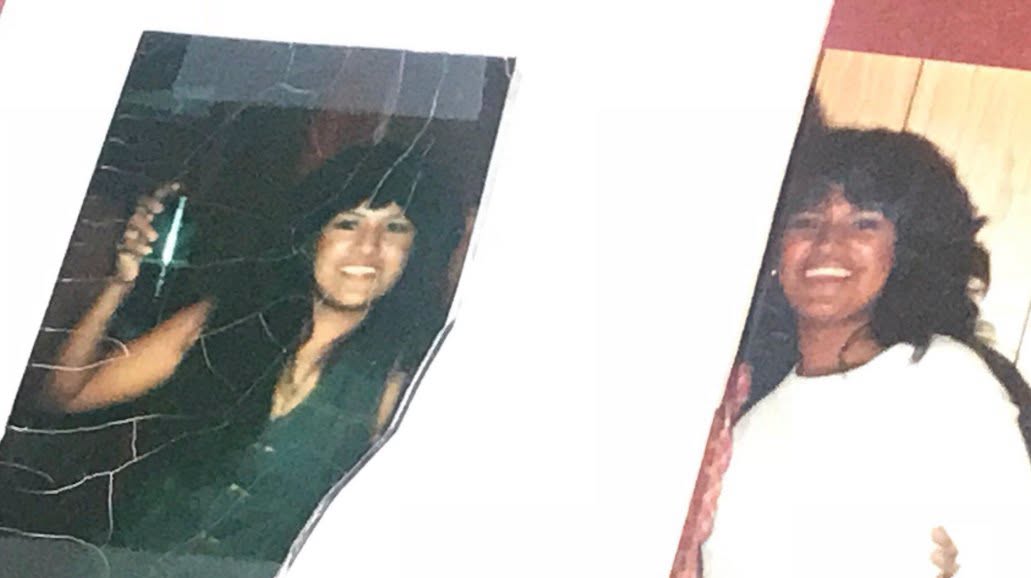
Suspects Came and Went
Police investigated the killing extensively.
Potential suspects were examined.
Known leads were pursued.
But investigators could not identify the person responsible.
As the years passed, suspects were eliminated and leads disappeared.
Eventually, Yolanda’s homicide became a cold case.
Her killer appeared to have escaped identification.
But investigators had something that could survive longer than memories or witness statements:
the physical evidence preserved after Yolanda’s autopsy.
For decades, that evidence remained connected to the case.
The technology around it kept changing.
A Cold Case Gets Another Chance
The first major modern breakthrough came in late 2020.
Yolanda’s case was identified as eligible for the Texas Department of Public Safety’s Sexual Assault Kit Initiative, a program supporting investigations of unresolved sexual assaults and sexually related homicides.
The Texas Rangers and Universal City Police Department began submitting evidence from the original autopsy for more advanced DNA testing.
In 2021, specialists managed to develop new information from the old samples.
BODE Technologies conducted genealogy-related testing that produced a possible surname connected to the unknown male DNA:
Brower.
That was a significant clue.
But it was not yet a specific person.
Scientists also managed to extract a small amount of DNA from critical evidence. The problem was that the sample was too limited for the type of genetic genealogy testing investigators hoped to perform.
Once again, the case stalled.
The evidence had revealed more than it had decades earlier, but investigators still did not have enough.
Technology Catches Up Again
By 2025, forensic technology had advanced further.
Othram Laboratories analyzed the remaining DNA and used Forensic Investigative Genetic Genealogy, commonly known as FIGG.
The technique differs from simply placing a crime-scene DNA profile into a traditional criminal database and hoping for a direct match.
Investigators can use genetic relationships to identify relatives and construct family connections, gradually narrowing a list of possible people who could have contributed the unknown DNA.
That work eventually pointed investigators toward Kelly Lee Brower.
Brower had lived in Universal City around the time Yolanda was killed.
By then, however, he was living hundreds of miles away in Cottonwood, Arizona.
Investigators had a name.
Now they needed to determine whether his DNA actually matched the biological evidence preserved from Yolanda’s body.
Detectives Watch Brower in Arizona
Investigators traveled to Arizona and conducted surveillance.
Instead of immediately having a voluntary DNA sample from Brower, police watched for an item he discarded that could contain his genetic material.
Eventually, they obtained exactly that.
A Coors Light can Brower had allegedly thrown away was recovered from his trash.
To almost anyone else, it was garbage.
To investigators, it was potentially a fresh reference sample.
A person drinking from a beverage can can leave biological material around the opening.
That DNA can then be developed into a profile and compared with evidence from a crime scene.
The can was sent for forensic testing.
The result came in February 2026.
Investigators say DNA associated with the discarded can matched the male DNA profile developed from material underneath Yolanda Herrera’s fingernails.
After almost 45 years, investigators had moved from a genealogical lead to a direct forensic comparison.
From Trash to a 1981 Crime Scene
The significance of the can was not that it magically solved the entire case on its own.
It completed a chain of investigation that had taken years.
First came the biological evidence preserved in 1981.
Then came new DNA extraction methods.
Then a surname lead.
Then forensic genetic genealogy.
That research pointed investigators toward Brower.
Finally, the discarded beer can provided a modern DNA sample that could be compared directly with evidence from Yolanda’s body.
The sequence is what makes the case remarkable.
Something collected during an autopsy in 1981 and something thrown into the trash nearly 45 years later were now allegedly connected by the same genetic profile.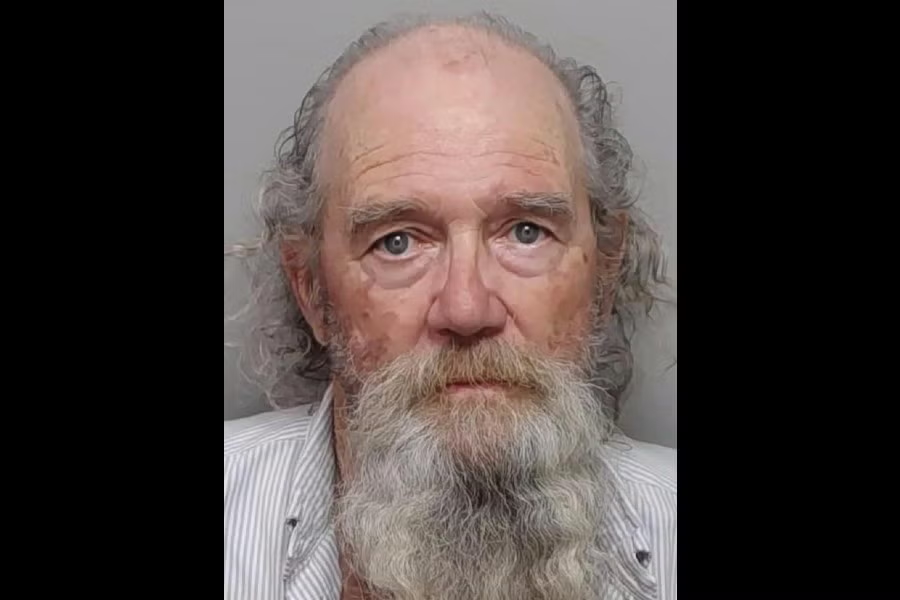
Investigators Say Brower Eventually Confessed
Police interviewed Brower in Arizona in August 2026.
During an initial interview, investigators say he denied knowing Yolanda or knowing anything about her death.
Authorities continued questioning him.
According to Texas officials, Brower ultimately confessed to Herrera’s murder after multiple interviews.
Investigators have also said they found no evidence that Brower and Yolanda knew each other before the attack.
A warrant was obtained.
On August 19, 2026, Brower, then 68, was arrested in Cottonwood, Arizona.
He faces a capital murder charge in Texas.
The charge remains an allegation, and the criminal court process will determine his legal guilt.
Evidence Can Outlive a Cold Case
Yolanda’s case demonstrates why investigators preserve evidence even when a homicide seems impossible to solve.
In 1981, no detective could have known exactly what scientists would be able to do with tiny biological samples four decades later.
Forensic DNA profiling was still years away from becoming a routine investigative tool.
Genetic genealogy was even further in the future.
But the evidence survived.
Then technology repeatedly caught up with it.
A sample too limited to provide an answer in one decade could provide a surname in another.
Years later, improved testing could produce a family-tree lead.
And once investigators had a possible suspect, something as ordinary as a drink can could supply the final comparison they needed.
One Can, Two DNA Samples, 45 Years Apart
There is something strikingly simple about the final image in Yolanda Herrera’s case.
One piece of evidence came from beneath the fingernails of a 23-year-old woman killed in Texas in 1981.
The other reportedly came from a beer can thrown into the trash outside the home of a 68-year-old man in Arizona decades later.
Almost 45 years separated them.
Modern forensic science brought them together.
The Coors Light can did not begin the investigation, and it did not solve the case by itself.
But after genealogy pointed investigators toward Kelly Lee Brower, the discarded can allegedly gave detectives the direct DNA comparison they had been waiting decades to make.
For years, the question was whether the evidence left behind in 1981 would ever identify Yolanda Herrera’s killer.
In 2026, investigators say the answer emerged from one of the most ordinary places imaginable:
the trash.