Investigators Opened His Phone — One Google Search Immediately Stood Out
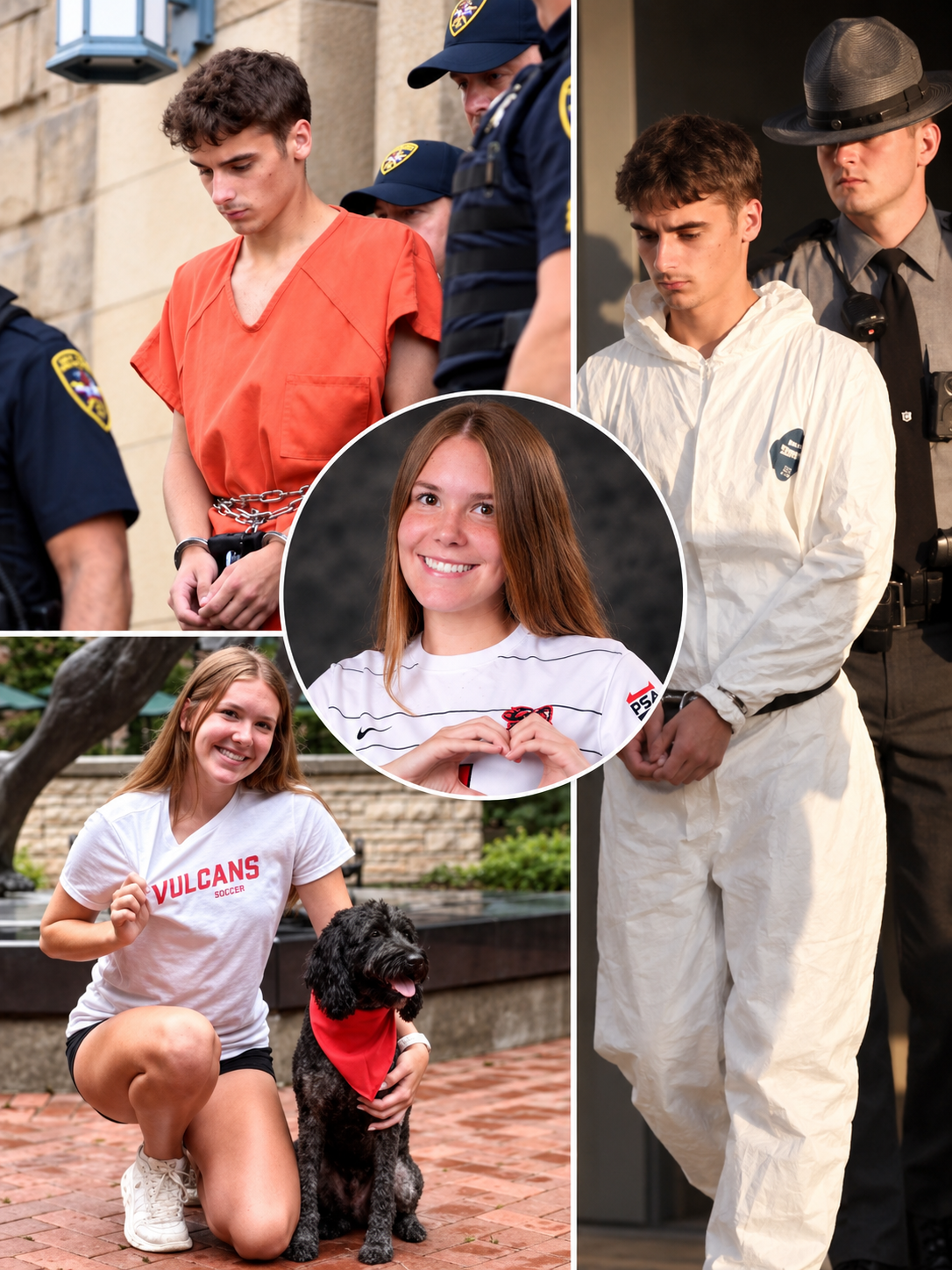
When investigators examined the cellphone of 18-year-old Royce Moser, they were not simply looking for calls or text messages.
They were trying to reconstruct a timeline.
His girlfriend, 18-year-old Karoline Heintz, had been found dead inside the rear of her Jeep Cherokee near her college campus in western Pennsylvania.
Police already had surveillance footage, cellphone location data and physical evidence.
Then investigators looked at Moser’s internet search history.
Among the searches they testified about in court was one that immediately stood out:
“What does God say about murder?”
It was not the only unusual search investigators said they recovered.
There were searches about fingerprints.
Ring-camera storage.
The death penalty.
And another asking what would happen if a demon controlled someone and that person murdered somebody.
Prosecutors presented those searches during a September 1 preliminary hearing as part of a much larger case against Moser.
But Moser has not been convicted.
He faces homicide and other charges, has pleaded not guilty, and the evidence against him has yet to be tested at trial.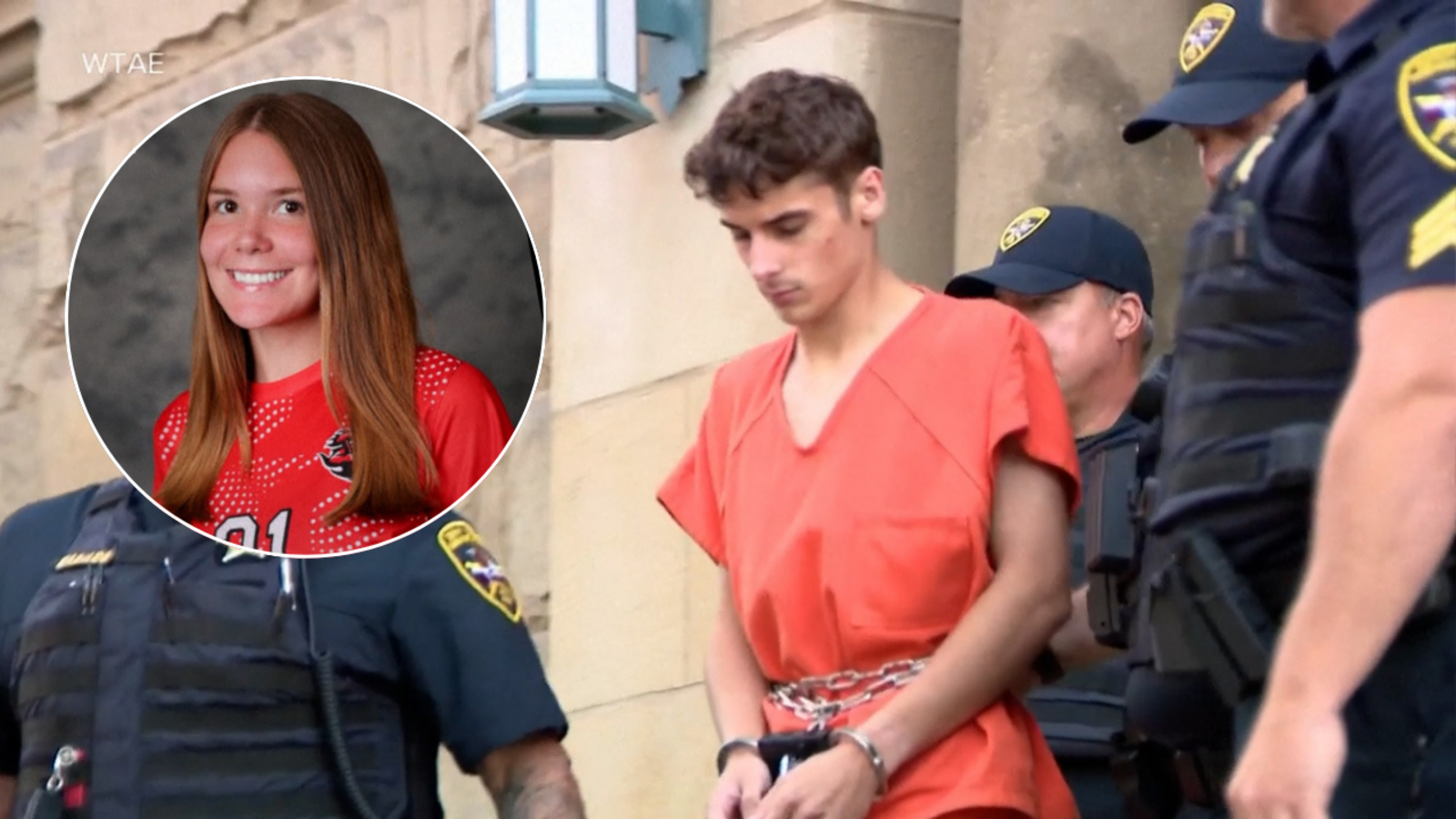
Karoline Was Preparing to Begin College
Karoline Heintz had recently graduated from Peters Township High School.
She was preparing to begin her freshman year at PennWest California, where she planned to study biology and play on the women’s soccer team.
Her future appeared carefully mapped out.
She hoped eventually to become a physician and had already been accepted into a pathway connected to medical school after completing her undergraduate education.
On August 19, 2026, Karoline spent time with her family before planning to return to campus.
Investigators say text messages recovered from phones show Moser asking Karoline to stop at his father’s North Strabane Township home before heading back to college.
At 9:28 p.m., according to testimony, Moser asked her to come over for “a hug and a kiss.”
Karoline did not immediately commit.
Later, she told him she was heading back to college.
Investigators say an eight-minute phone call followed.
Location data then placed Karoline’s phone at Moser’s home at approximately 9:46 p.m.
What happened during the next half-hour became the center of the homicide investigation.
Investigators Say Moser Described the Stabbing
A Pennsylvania State Police investigator testified that Moser later gave police an account of what happened.
According to that testimony, Moser said he and Karoline were talking near her Jeep when she said something that angered him.
Investigators testified that Moser said he attempted to hug and kiss her but the contact was not welcomed.
He then allegedly went inside the house, retrieved a large knife and returned to the Jeep.
Police say Moser told them he stabbed Karoline.
Investigators testified that she fell from the vehicle and that Moser moved her into the rear hatch area.
Those are allegations and statements attributed to investigators.
A jury has not yet determined Moser’s guilt.
Karoline’s Jeep Begins Moving
Phone data, license-plate readers and surveillance footage became crucial to prosecutors’ reconstruction of what happened next.
Investigators allege Moser drove Karoline’s Jeep away from his father’s house with her body inside.
They say he contacted his mother, Rachel Moser, and eventually traveled to her home in Beallsville.
Rachel Moser has separately been charged with offenses including hindering apprehension and evidence tampering.
She also has not been convicted.
During the preliminary hearing, prosecutors displayed photographs they said showed items recovered during the investigation, including bloody materials, cleaning supplies and a knife found inside a trash bag.
Investigators also testified about clothing located inside a washing machine.
The prosecution alleges that attempts were made to clean both Moser and evidence connected to the incident.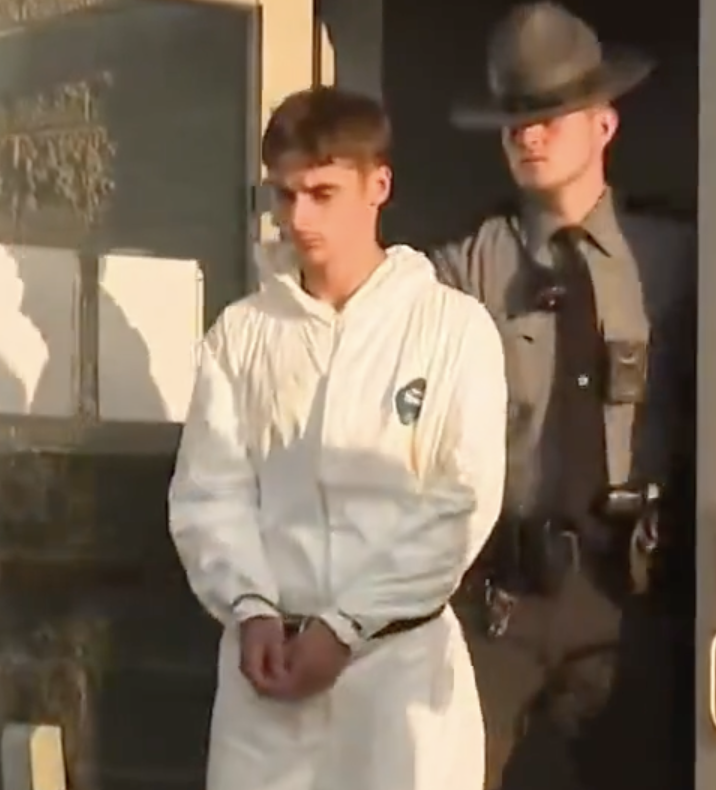
Then Investigators Examined His Search History
The phone search history gave prosecutors another way to reconstruct the hours after Karoline’s death.
A detective testified that at approximately 11:12 p.m. on August 19, searches for:
“what removes fingerprints from objects”
appeared repeatedly on Moser’s phone.
Investigators said the phrase was searched dozens of times.
Around midnight, similar searches appeared again.
Other searches allegedly asked how long Ring cameras store video.
Then came several questions investigators highlighted during the hearing.
“What does God say about murder?”
According to testimony, versions of that search appeared multiple times.
Another search asked:
“What if a demon controlled you and you murdered someone?”
Investigators also testified that Moser’s phone searched variations of:
“Can an 18-year-old get the death penalty?”
The prosecution argues that the searches are relevant to understanding Moser’s actions and state of mind during the hours surrounding Karoline’s death.
The defense will have the opportunity to challenge the meaning, context and evidentiary value of that search history as the case continues.
A Message Was Sent to Karoline’s Phone
Investigators also presented an unusual detail from the phone timeline.
At approximately 12:47 a.m., they say Moser sent a message to Karoline’s phone.
The message reportedly consisted simply of a question mark.
By that point, prosecutors allege Karoline was already dead.
Investigators say cellphone and surveillance data were used to follow movements through several locations in Washington County during those hours.
The prosecution alleges Moser and his mother ultimately drove toward California Borough, where Karoline’s Jeep was left near the California Area Public Library.
Her Family Was Looking for Her
While investigators say those movements were taking place, Karoline’s family had begun worrying about her.
She was supposed to return to college.
She was not answering calls or messages.
Her father checked location information and became concerned after her phone stopped providing useful updates.
But Karoline’s family had another way to locate her vehicle.
An Apple AirTag had been placed inside the Jeep for security purposes.
The AirTag showed the vehicle near the library in California Borough.
Karoline’s family contacted police and requested a welfare check.
That small tracking device led officers directly to the Jeep.
An Officer Looks Inside
A California Borough police officer responded to the parking area.
During the September hearing, prosecutors played footage from his body-worn camera.
The officer initially examined the vehicle and surrounding area.
Then he looked through the Jeep toward the rear hatch.
Karoline was inside.
She had suffered fatal stab wounds.
The discovery turned a worried family’s search for a college student into a homicide investigation.
The Preliminary Hearing Revealed the Digital Trail
On September 1, prosecutors presented six witnesses and dozens of pieces of evidence during a preliminary hearing for Royce and Rachel Moser.
The purpose was not to determine guilt.
Instead, the judge had to decide whether prosecutors had presented sufficient evidence for the charges to proceed.
All charges were held for court.
Royce Moser faces criminal homicide along with allegations including evidence tampering, obstruction and abuse of a corpse.
Rachel Moser faces separate charges connected to prosecutors’ allegation that she helped her son after Karoline’s death.
Both cases remain pending.
A Search History Is Evidence — Not a Verdict
Internet searches can be powerful evidence because they can preserve questions a person typed when they believed nobody else was watching.
But searches do not decide a criminal case by themselves.
Prosecutors must establish context.
The defense can challenge interpretations.
Witnesses can be cross-examined.
Physical and digital evidence must be evaluated together.
That process has not yet been completed in the Moser case.
For now, investigators have presented a digital timeline containing calls, messages, location information and internet activity from the hours surrounding Karoline’s death.
Among all those data points, one simple question has attracted particular attention:
“What does God say about murder?”
Investigators say it appeared on Royce Moser’s phone hours after Karoline Heintz was killed.
What that search ultimately means to the case will be determined not by the search bar, but in court.