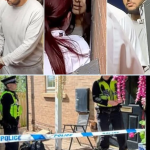
WADE WILSON: WHY DOES THE CONVICTED “DEADPOOL KILLER” CONTINUE TO ATTRACT FEMALE FANS?
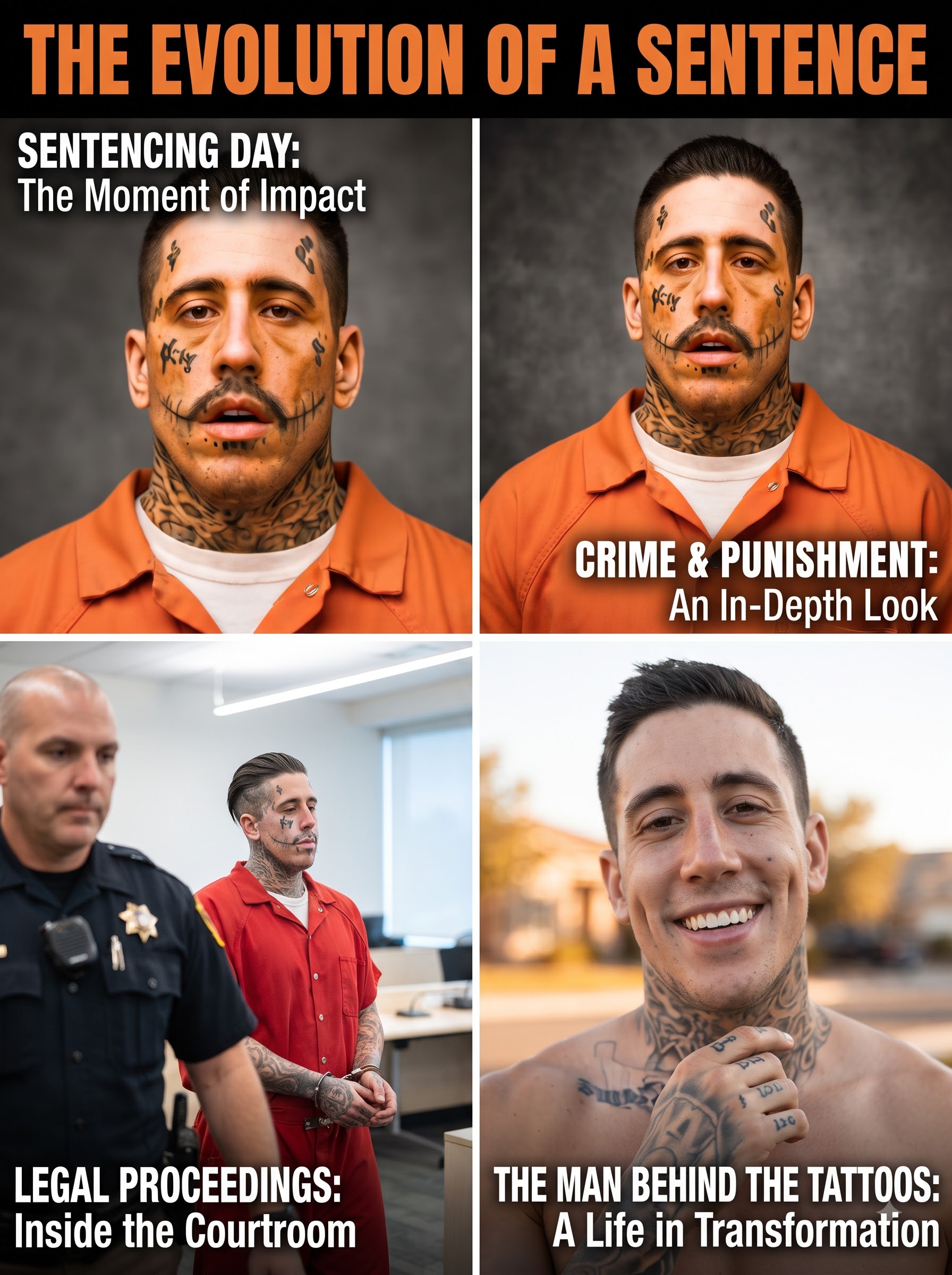
WADE WILSON: WHY DOES THE CONVICTED “DEADPOOL KILLER” CONTINUE TO ATTRACT FEMALE FANS?
Thousands of messages. Love letters. Photos. Money. Even tattoos.
Wade Wilson was convicted of murdering two women in Florida.
Yet after his conviction, something happened that seemed almost impossible to explain: instead of disappearing from public attention, Wilson became the focus of an unusual online following — including women who openly expressed admiration, affection, and even romantic feelings toward him.
So what is behind the fascination with a man serving two death sentences?
And why would anyone become emotionally attached to someone convicted of two murders?
The phenomenon surrounding Wilson has become almost as disturbing and complicated as the case itself.
THE NUMBERS TELL PART OF THE STORY
After Wilson was convicted in June 2024, the Lee County Sheriff’s Office recorded an extraordinary volume of correspondence.
According to reporting at the time, Wilson received 3,903 messages, 65 letters and 754 photographs between June 12 and July 12, 2024.
Authorities rejected 163 photographs because they were considered inappropriate.
The attention did not stop with letters.
Some supporters reportedly sent money. Others publicly defended Wilson. Some women contacted the court asking that his life be spared.
One supporter even became so devoted that she reportedly purchased clothing and other items for Wilson to wear during court proceedings.
The phenomenon quickly became known online as part of the “Wade’s Wives” community.
But the obvious question remained:
Why him?
IT WASN’T ONLY ABOUT THE CRIMES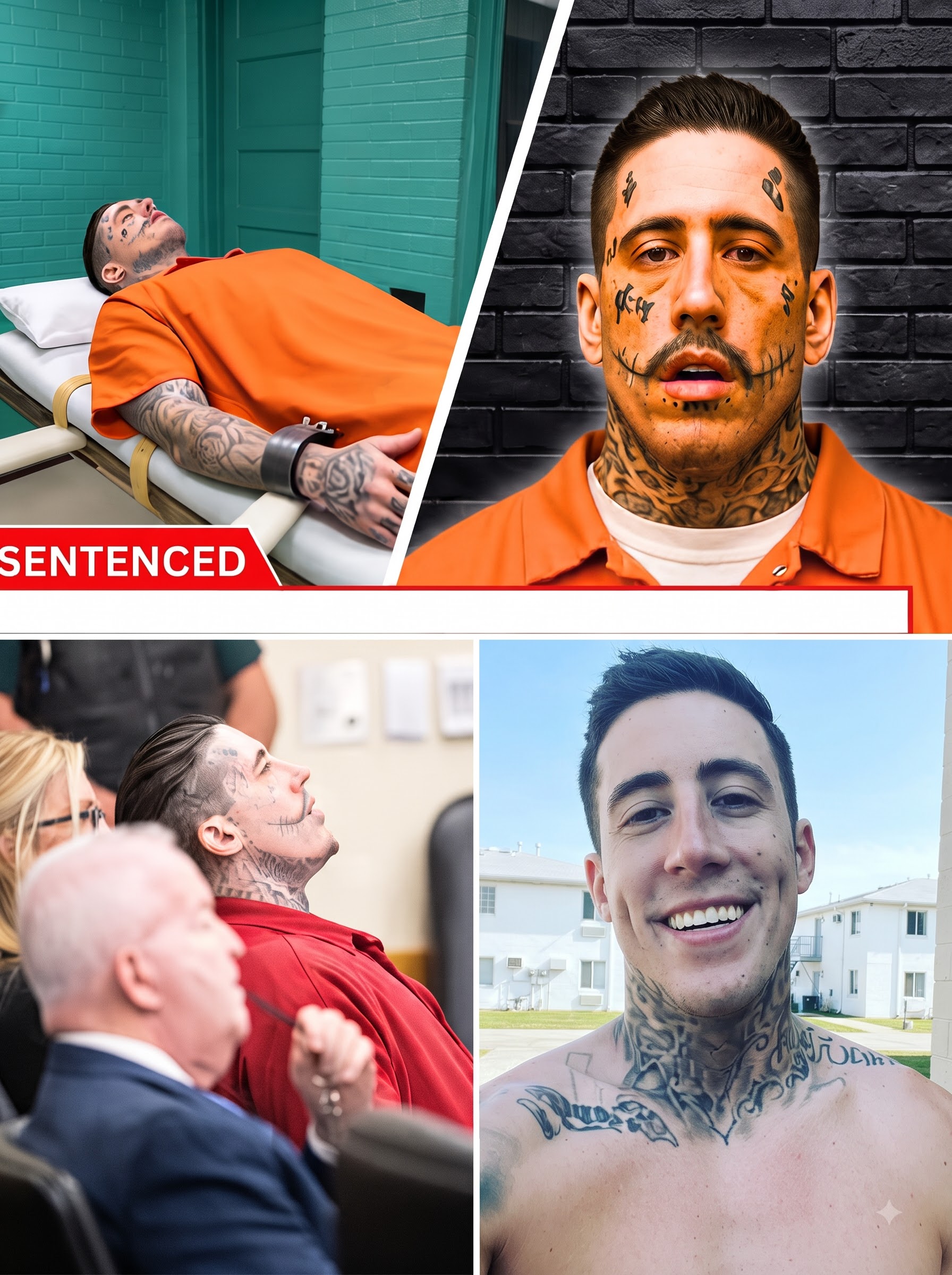
Wilson’s appearance became a major part of the online fascination.
His face and neck are heavily tattooed, making him immediately recognizable in photographs and courtroom footage.
Once images of Wilson spread across social media, algorithms helped transform a criminal defendant into an internet personality.
His nickname — the “Deadpool Killer” — also added another layer to the phenomenon because of his shared name with Marvel’s fictional character.
That combination of unusual appearance, notoriety, courtroom footage and social-media attention created a highly recognizable image.
For some viewers, the image of the man began to exist separately from the details of the crimes.
That separation may be one of the most important pieces of the puzzle.
THE PSYCHOLOGY BEHIND THE FASCINATION
Experts who have discussed the phenomenon surrounding criminal offenders have pointed to several possible explanations.
One is the attraction sometimes called hybristophilia — a term used to describe sexual or romantic interest in people who have committed crimes.
But there is no single explanation for why an individual becomes attracted to a convicted offender.
For some people, distance can play an important role.
A person sitting inside a prison cell is physically separated from the admirer. Communication may take place through letters, messages or controlled visits.
That can create a strange psychological environment in which someone feels emotionally close to a person they will never encounter under ordinary circumstances.
Some criminologists have also suggested that certain admirers may focus on the person they imagine exists behind the criminal record.
In other words, they don’t necessarily see themselves as supporting the crimes.
They may convince themselves that they understand the offender, that they can reach the “real person” beneath the violence, or even that they could somehow change him.
That belief can become especially powerful when the relationship exists primarily through letters and carefully controlled communication.
“I CAN CHANGE HIM”
The idea of changing a dangerous man is not new.
True-crime cases have repeatedly shown examples of people becoming fascinated with notorious offenders.
The fantasy can be simple:
“He is different with me.”
The admirer may believe that the person everyone else sees as dangerous has another side that only they can understand.
In Wilson’s case, that idea became part of the public discussion surrounding his female followers.
Some supporters reportedly emphasized his personality, appearance or personal history while minimizing the crimes for which he was convicted.
But there is an important distinction:
Understanding why someone is fascinated by a criminal is not the same as excusing the criminal’s actions.
THE WOMEN WHO WROTE TO THE COURT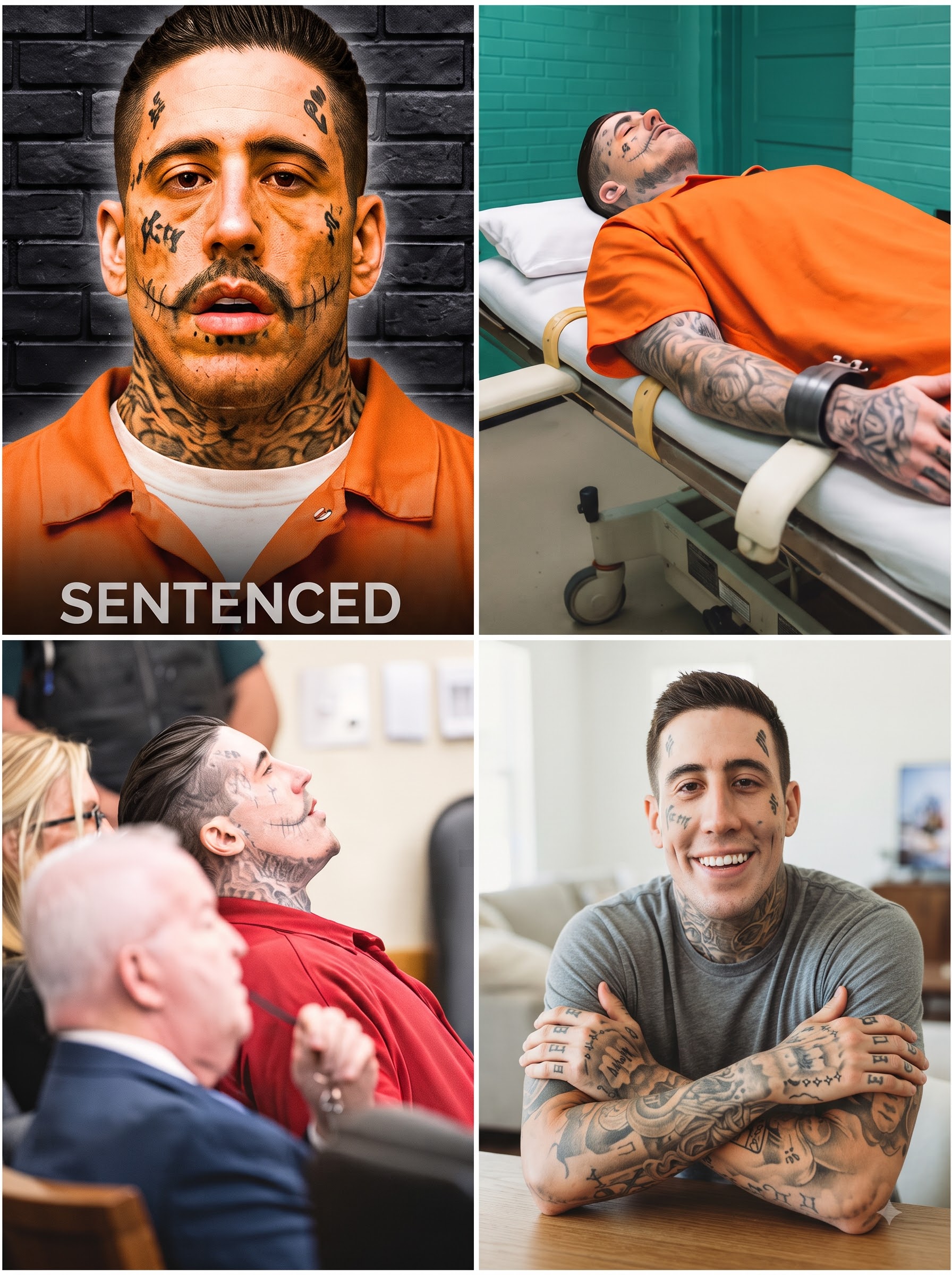
Perhaps the most striking example was not the messages sent directly to Wilson.
It was the correspondence sent to the judge.
During the legal proceedings, women wrote letters asking the court to spare Wilson from execution.
One writer argued that his background, substance abuse and mental-health history should be considered.
Another said she believed life imprisonment would allow him to reflect and change.
These letters became part of the broader story because they showed that the fascination was not simply an internet joke.
For some people, the emotional attachment appeared to be genuine.
At the same time, a judge cannot simply treat such letters as ordinary evidence. Judicial decisions must be based on the law and the evidence properly presented in court.
THE WOMEN AT THE CENTER OF THE CASE
Lost behind the fascination with Wilson are the two women whose lives ended in October 2019:
Kristine Melton, 35.
Diane Ruiz, 43.
According to prosecutors, both women were killed by Wilson on October 7, 2019.
The State Attorney’s Office said Wilson was convicted of two counts of first-degree murder in June 2024.
In August 2024, Judge Nicholas Thompson sentenced Wilson to death for both murders.
The case therefore isn’t simply a story about an unusual internet fandom.
It is also a story about two victims, two families and a criminal case that continues through the appeals process.
WHY SOCIAL MEDIA CHANGED EVERYTHING
Cases involving notorious criminals are not new.
What has changed is the speed at which an image can become a phenomenon.
A courtroom photograph can appear on TikTok.
A short video can reach millions of people.
A comment can turn into a community.
And an individual who would once have been known only through newspaper articles can suddenly become a recognizable internet personality.
That environment can blur the line between true crime interest and celebrity culture.
For some viewers, the story begins as curiosity.
Then comes repeated exposure.
Then familiarity.
And eventually, for a small number of people, familiarity can become emotional attachment.
Wilson’s case became a particularly striking example of that process.
HE REMAINS ON DEATH ROW
The attention surrounding Wilson has continued even after his sentencing.
As of 2026, he remains on Florida’s death row while his legal challenges continue.
His lawyers have challenged his death sentences rather than simply accepting the punishment. In February 2026, his attorneys told the Florida Supreme Court they intended to continue pursuing the case, potentially all the way to the U.S. Supreme Court.
The legal dispute is separate from the social-media fascination, but both have kept Wilson’s name in the public conversation.
That means the story that began with two murders has developed into several different stories:
A criminal case.
A death-penalty case.
A true-crime phenomenon.
And an unusual study of online obsession.
BUT THE BIGGEST QUESTION REMAINS
Thousands of messages can be counted.
Letters can be photographed.
Money can be tracked.
Social-media followers can be measured.
But none of those numbers fully explains why someone becomes emotionally attached to a convicted murderer.
Is it attraction to appearance?
The fantasy of being the person who can “save” someone?
The psychological distance created by prison?
The influence of social media?
Or simply the fascination that comes from being close to something society considers forbidden?
There may not be one answer.
And perhaps that is what makes the Wade Wilson phenomenon so difficult to understand.
The crimes are documented.
The convictions are documented.
The letters are documented.
But the psychology behind the people who continue to admire him remains much harder to explain.
Thousands of people looked at the same convicted killer — and saw something completely different.
The question is not simply why did Wade Wilson attract so many female fans?
The deeper question may be:
What does his unusual following reveal about the way true crime, attraction and social media can collide?