THE FINAL 7 WORDS THAT REIGNITED THE LINDSAY CLANCY CASE — BUT THE MEDICAL WARNING MAY BE EVEN MORE IMPORTANT

THE FINAL 7 WORDS THAT REIGNITED THE LINDSAY CLANCY CASE — BUT THE MEDICAL WARNING MAY BE EVEN MORE IMPORTANT
Seven words. One devastating moment. And a medical question that has divided the entire case.
As the Lindsay Clancy trial reached its final stages, jurors were confronted with some of the most difficult evidence presented during the weeks of testimony.
Among the details that drew renewed attention was an account of the final words Clancy allegedly said to her children before their deaths.
The testimony immediately raised a haunting question:
What do those words actually tell us about what was happening inside her mind?
For prosecutors, Clancy’s behavior and statements were presented as evidence that she understood what she was doing.
For the defense, the same period of time was viewed through a completely different lens — one involving severe psychiatric illness, postpartum psychosis and the effects of multiple medications.
And now, after the jury failed to reach a unanimous verdict, those questions have become even more important.
THE SEVEN WORDS
During the trial, forensic psychologist Dr. Kirk Heilbrun testified about Clancy’s behavior surrounding the killings.
His testimony included an account of what Clancy allegedly said to her children in their final moments.
The words quickly became one of the most disturbing details to emerge from the trial.
But their importance goes beyond the words themselves.
The prosecution and defense have spent years presenting fundamentally different explanations for the same tragic sequence.
One interpretation focuses on planning and awareness.
The other focuses on a mother allegedly experiencing a profound psychiatric crisis.
That distinction is at the heart of the case.
WHAT HAPPENED ON JANUARY 24, 2023?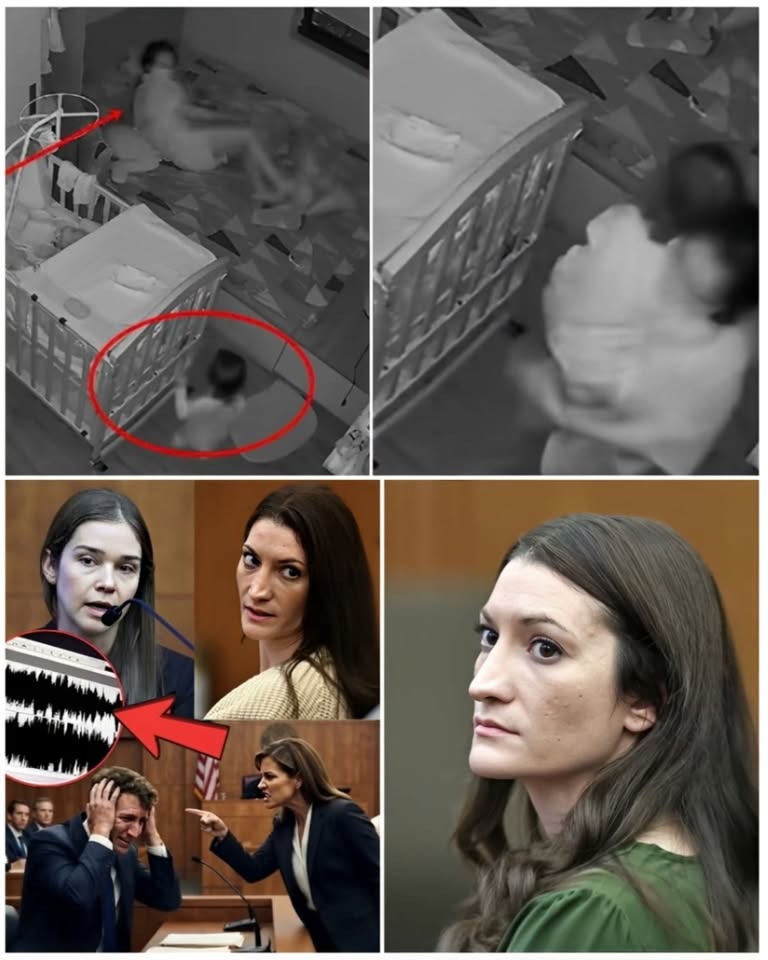
Clancy was at home in Duxbury, Massachusetts, with her three children:
Cora, 5.
Dawson, 3.
Callan, 8 months.
Her husband, Patrick Clancy, was working from home.
At some point that afternoon, Patrick left the house to pick up food and medication.
When he returned, he discovered the horrific scene.
The children had been killed.
Clancy was found outside the home after attempting suicide.
She survived but suffered catastrophic injuries.
From the beginning, investigators and prosecutors did not dispute that Clancy was responsible for the children’s deaths.
The central legal question became something much more complicated:
Was she criminally responsible for what she did?
THE DEFENSE: A MIND IN CRISIS
Clancy’s attorneys argued that she was suffering from postpartum psychosis.
The defense presented evidence about her psychiatric history, symptoms, medications and treatment leading up to the killings.
According to reporting from the trial, the defense argued that Clancy had been prescribed numerous psychiatric medications and that her mental state had deteriorated despite receiving treatment.
Postpartum psychosis is a rare but severe psychiatric condition.
It can involve hallucinations, delusions, confusion, severe mood changes and a distorted perception of reality.
But one crucial point matters:
A diagnosis of postpartum psychosis does not automatically determine whether someone is legally insane or criminally responsible.
That is a separate legal question.
And that distinction became central to the trial.
THE PROSECUTION SAW THE TIMELINE DIFFERENTLY
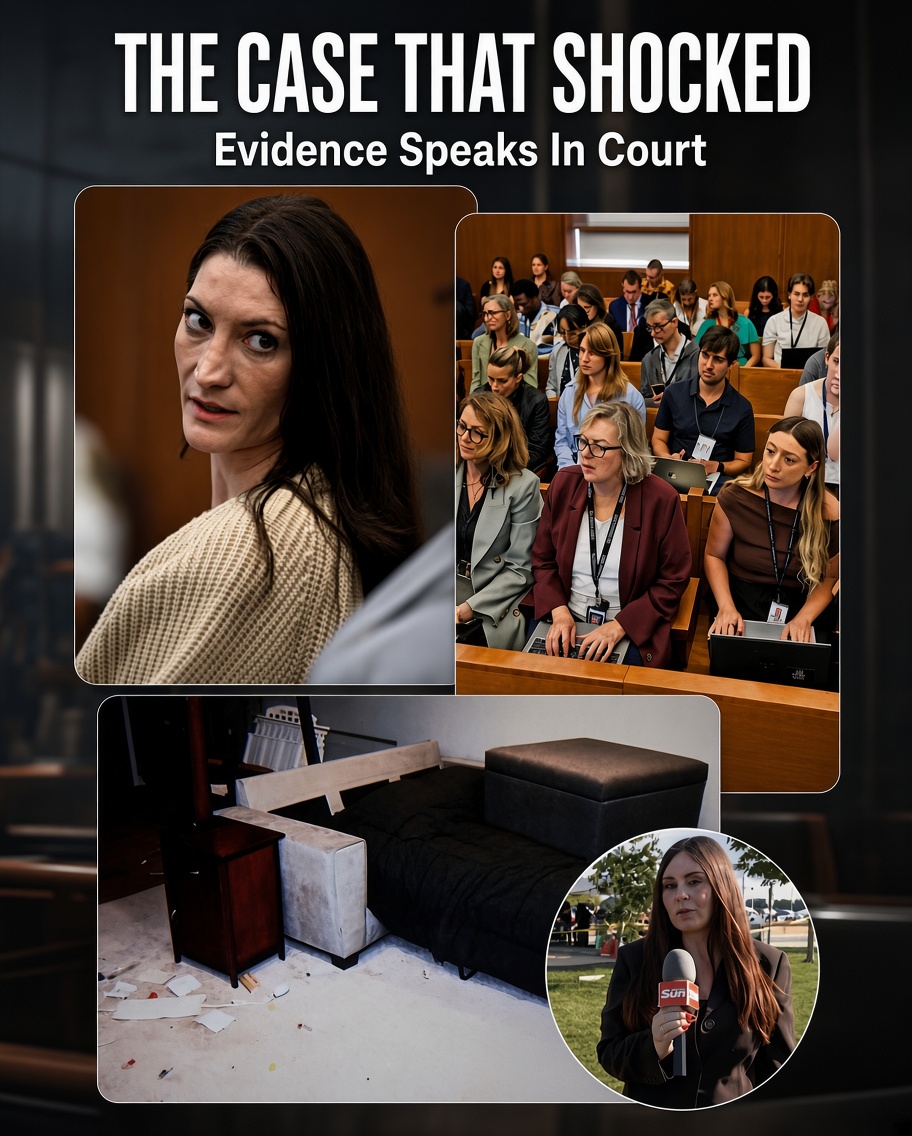
Prosecutors argued that Clancy’s actions showed planning and awareness.
They pointed to evidence surrounding the hours before the killings.
Among the evidence discussed during the trial was digital activity related to the distance between the home, restaurant and pharmacy.
The prosecution argued that such evidence was consistent with planning.
The defense disputed the interpretation.
This created one of the most important battles of the trial:
Were these the actions of someone carefully carrying out a plan — or the actions of someone whose perception of reality had become severely distorted?
There was no simple answer.
And the jury ultimately could not agree.
THEN CAME THE MEDICAL EVIDENCE
The psychiatric evidence became one of the most complicated aspects of the trial.
Experts were asked to evaluate Clancy’s mental condition around the time of the killings.
The question was not simply whether she was depressed.
It was not simply whether she had anxiety.
And it was not simply whether she had been diagnosed with a psychiatric disorder.
The issue was whether her mental state was so severely impaired that she could not be held criminally responsible under Massachusetts law.
That required jurors to consider medical testimony alongside the timeline, statements, digital evidence and physical evidence.
WHY THE “FINAL WORDS” MATTER — AND WHY THEY DON’T ANSWER EVERYTHING
This is where the seven words become important.
Words can provide evidence about a person’s state of mind.
But they cannot independently establish a psychiatric diagnosis.
A statement can be interpreted differently depending on the surrounding circumstances.
Was it evidence of awareness?
Was it consistent with delusion?
Was it an expression of something already happening inside Clancy’s mind?
Or could it have been interpreted in more than one way?
Those were ultimately questions for the jury.
And the jury did not reach a unanimous answer.
THE JURY COULD NOT AGREE
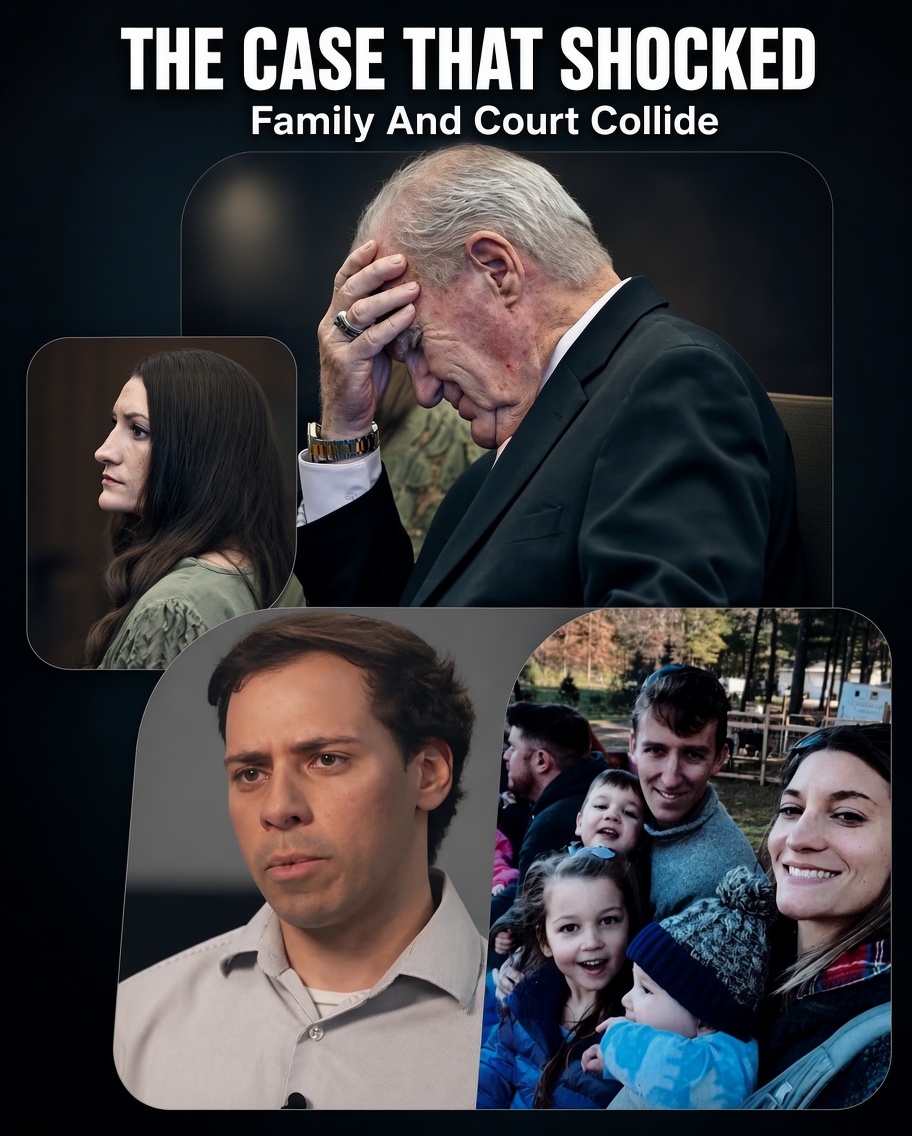
After weeks of testimony, the 12-person jury spent days deliberating.
They repeatedly indicated that they remained divided.
Finally, on September 4, 2026, the judge declared a mistrial after jurors said they could not reach a unanimous decision on whether Clancy was criminally responsible for the deaths of her three children.
That means there was no conviction.
But there was also no acquittal.
The case ended without a final verdict.
And that leaves the central question unresolved.
THE JURY’S DISAGREEMENT REVEALED HOW COMPLEX THE CASE HAD BECOME
After the mistrial, several jurors spoke publicly about their deliberations.
Their accounts showed just how sharply divided the panel had become.
The disagreement was not simply about whether the killings occurred.
Everyone knew what had happened.
The dispute was about why Clancy acted and whether her mental state met the legal standard for criminal responsibility.
That distinction explains why evidence that might appear straightforward to an outside observer became so complicated inside the jury room.
One juror could look at the same evidence and see planning.
Another could see evidence of psychosis.
Another could conclude that the prosecution had not eliminated reasonable doubt.
THE MEDICAL WARNING MAY BE THE BIGGER STORY
The most important lesson from the case may extend beyond the seven words.
Following the mistrial, Massachusetts Gov. Maura Healey announced proposed measures aimed at improving postpartum mental-health support, including expanded home nurse visits for families with newborns and additional resources for perinatal mental-health screening and treatment.
That does not mean the state has determined that Clancy’s medical explanation was correct.
It does not establish that postpartum psychosis caused the killings.
And it does not resolve the legal question in her case.
But it demonstrates that the case has prompted a broader public discussion about how severe postpartum mental illness is recognized and treated.
THE NEXT LEGAL BATTLE IS ALREADY TAKING SHAPE
The mistrial did not necessarily end the case.
Clancy’s attorney, Kevin Reddington, has said he plans to ask the court to dismiss the case on double-jeopardy grounds.
His argument is that there was not sufficient “manifest necessity” for the mistrial.
A hearing on that issue is scheduled for September 29, 2026.
If the dismissal request fails, the legal battle could continue in another form.
That means the final seven words may not be the last time the public hears about the evidence presented during the first trial.
WHAT HAPPENS NEXT?
For now, there are several unanswered questions.
Will the court dismiss the case?
Could prosecutors seek another trial?
How would a different jury interpret the psychiatric evidence?
Would the same experts testify again?
And would the same evidence produce a different conclusion?
No one can answer those questions yet.
What is clear is that the first trial did not produce a final verdict.
THE DETAIL THAT STILL HAUNTS THE CASE
The seven words have become one of the most emotionally powerful details from the trial.
But they should not be treated as a magic key that unlocks the entire case.
The real story is much more complicated.
It is about a timeline.
It is about psychiatric treatment.
It is about postpartum psychosis.
It is about competing expert interpretations.
It is about the legal definition of criminal responsibility.
And ultimately, it is about 12 jurors who listened to weeks of evidence and could not reach the same conclusion.
That is why the case remains unresolved.
The seven words may draw attention.
But the larger question is far more difficult:
What was happening inside Lindsay Clancy’s mind during the final hours before the deaths of her three children — and can the law determine that question beyond a reasonable doubt?
For now, there is no final answer.
The mistrial left that question hanging.
And with a new legal hearing approaching on September 29, the Lindsay Clancy case may be heading toward another major turning point.