Sandra Bullock Says One Question About ‘Practical Magic’ Followed Her Everywhere — Nearly 30 Years Later, It Feels Very Different
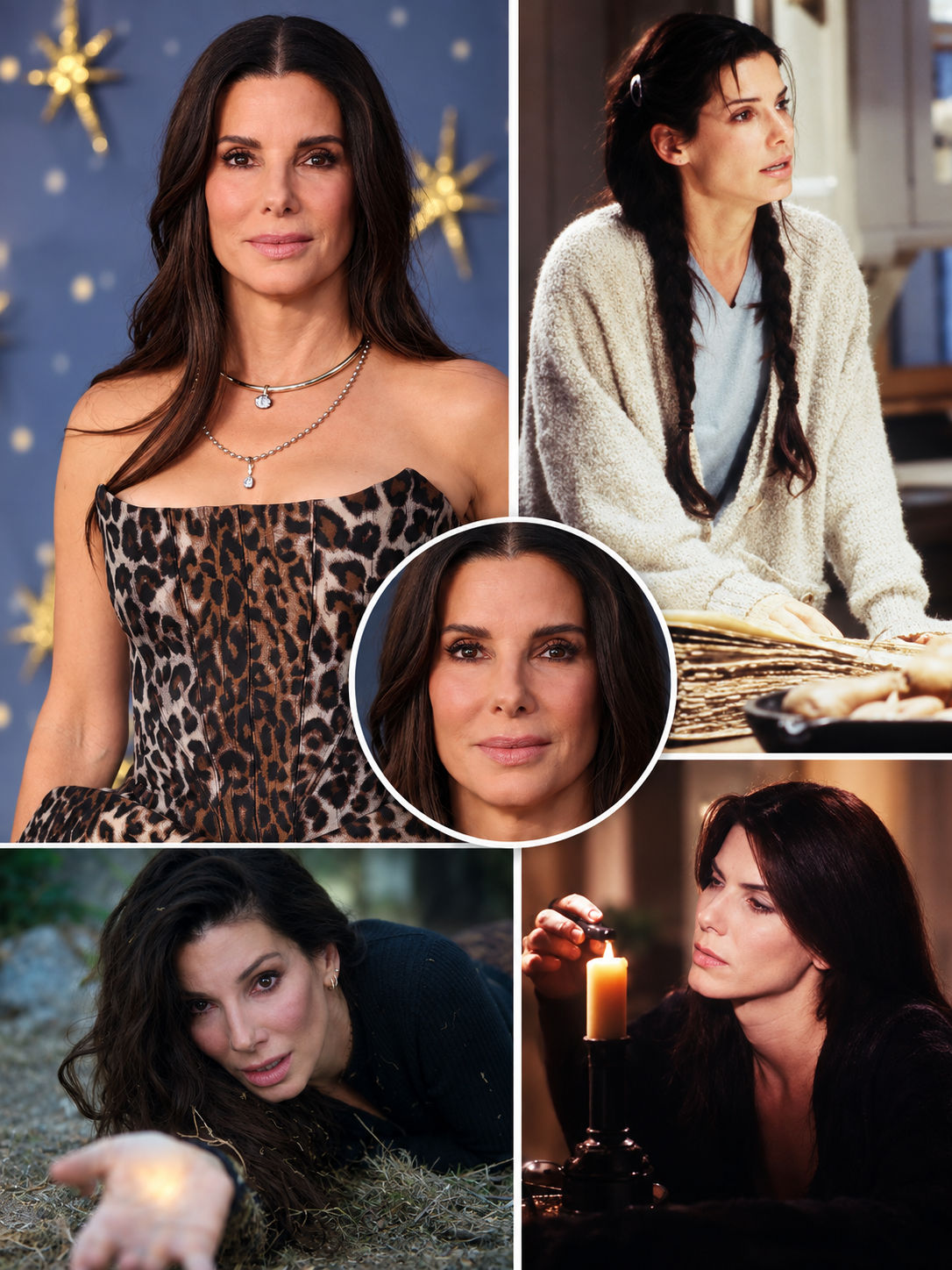
Nearly three decades after Practical Magic first introduced audiences to the Owens sisters, Sandra Bullock still remembers one question from the film’s original press tour with remarkable clarity.
It was not about the witches.
It was not about the family curse.
And it was not even about the movie’s unusual blend of romance, comedy, drama and supernatural fantasy.
Instead, Bullock says she repeatedly heard a question that now sounds especially striking considering how beloved the film has become: Why did the movie need so many women?
Bullock, now 62, recently looked back on that experience while discussing Practical Magic 2, the long-awaited sequel that reunites her with Nicole Kidman. Speaking alongside younger cast members Joey King and Maisie Williams, Bullock recalled how often she and Kidman were confronted with criticism over the original film’s female-heavy cast.
“If I heard one more time, you know, ‘How many women do you need in a film?’” Bullock remembered.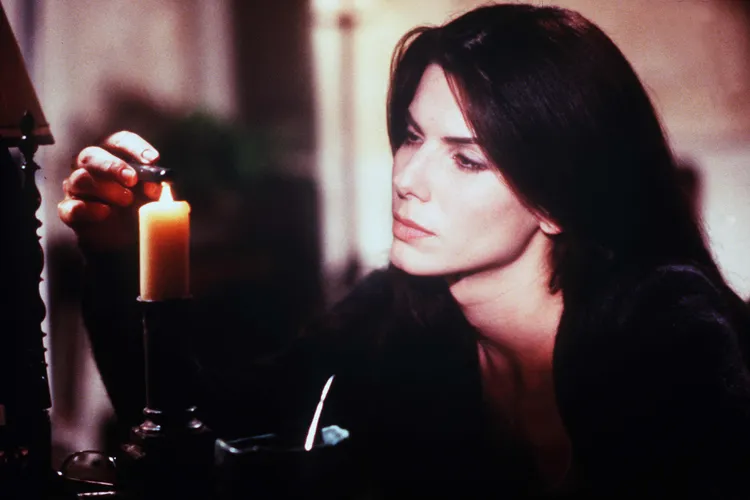
The reaction from King and Williams reportedly reflected how strange the question can sound today. But in 1998, Bullock says it was something she heard repeatedly while promoting a film that deliberately placed women — their friendships, family bonds, fears, mistakes and loyalty — at the center of the story.
That focus was never accidental.
In the original Practical Magic, Bullock played Sally Owens opposite Kidman’s Gillian Owens. The sisters came from a long line of women with magical abilities, but their inheritance also carried a devastating burden: a family curse threatening the men they fell in love with.
Around Sally and Gillian was an entire world largely shaped by women.
Their eccentric aunts were played by Dianne Wiest and Stockard Channing. Sally had daughters of her own. Female friends, neighbors and other women from their Massachusetts community also formed a significant part of the story.
For Bullock, that was not something the movie needed to apologize for. It was one of the reasons the project mattered to her.
Even before Practical Magic became the nostalgic favorite it is today, Bullock had spoken about being drawn to the relationship between Sally and Gillian. In a 1998 interview, she emphasized that their connection was not based on the kind of rivalry often used to create drama between female characters.
The sisters were not fighting over the same man. They were not defined by betrayal or competition with one another.
Instead, Bullock described the heart of the story as love and support between two women.
That emotional foundation would eventually become one of the film’s most enduring qualities. Yet Bullock remembers that the female-centered nature of Practical Magic was only one part of the skepticism surrounding its release.
Another recurring criticism focused on the movie’s tone.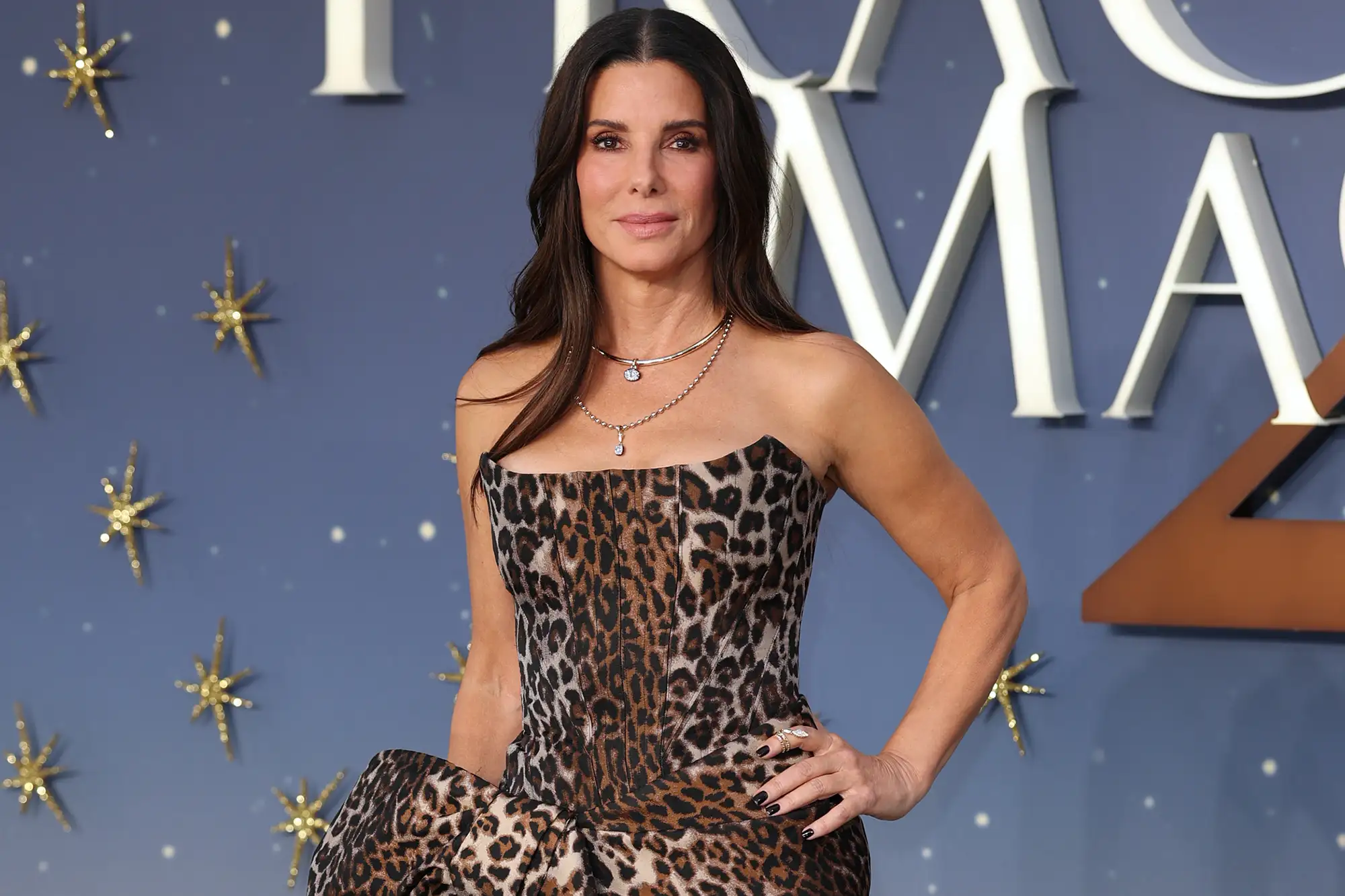
The film moved freely between humor, romance, grief, family drama and supernatural danger. Some viewers and critics struggled with that combination, questioning why one movie contained so many different moods.
Bullock’s response, looking back, was essentially that real life works the same way.
People can experience sadness and laughter within the same period. Family life can be chaotic, emotional and funny. Love can exist alongside fear. A story about loss does not necessarily have to remain solemn from beginning to end.
But at the time, the criticism was difficult for her to understand.
Bullock has described the original film’s promotional period as a “bumpy road.” She stopped short of saying she felt ashamed of the movie, but she acknowledged feeling hurt by the way it was initially received.
The negativity surprised her.
She and those involved with the film believed they understood exactly what they were making and why they were making it. The response from audiences and critics, however, was not immediately what they had hoped for.
Years changed that.
Rather than disappearing after its theatrical run, Practical Magic continued finding new viewers. Its combination of sisterhood, romance, witchcraft, family history and dark humor gradually built a loyal following.
Scenes and ideas that once seemed difficult to categorize became part of the movie’s appeal.
The female relationships that were questioned during the original press tour became central to the affection many viewers developed for the film.
And now the story has come full circle.
Bullock and Kidman have returned as Sally and Gillian Owens in Practical Magic 2, arriving nearly 30 years after the original movie.
Directed by Susanne Bier, the sequel once again places the Owens family curse at the center of the story. This time, however, Sally and Gillian are older, and a younger generation has become part of the struggle.
Joey King, 27, and Maisie Williams, 29, play Sally’s grown daughters, who must navigate their own lives as witches while confronting the legacy that has followed the Owens women for generations.
That generational shift gives the sequel a natural connection to the themes that made the original film meaningful to Bullock in the first place.
The story is still about women relying on one another.
Only now, the circle has expanded.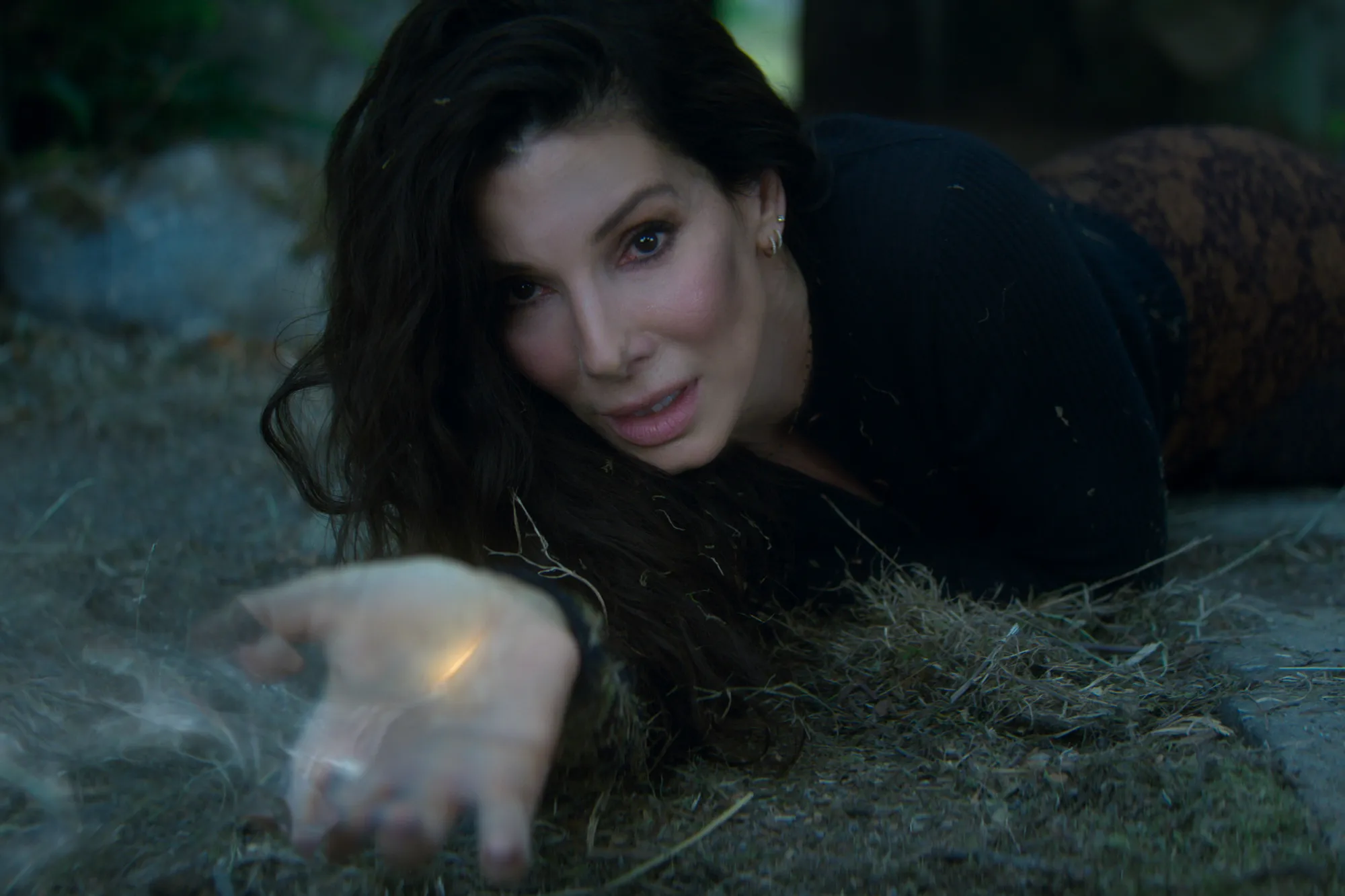
Bullock is not simply returning as an actress. She is also serving as a producer on the sequel, giving her another role in shaping the world she first entered in the late 1990s.
The project has also become personal in another way.
At the Los Angeles premiere, Bullock revealed that her children, Louis and Laila, both appear in hidden cameo roles in the new film. Their appearances are designed as small surprises for viewers rather than major parts of the story.
For Bullock, who has spent years associated with Sally Owens, the cameos quietly connect her real family with the fictional family that audiences have followed for decades.
The sequel has also reopened another possibility: the Owens story may not be finished yet.
Bullock has indicated that a third Practical Magic movie could happen if the new sequel performs strongly enough. The idea would potentially allow the franchise to continue shifting toward its younger female characters, with Bullock suggesting that the older generation could eventually “pass the torch” to the girls.
Whether that happens will depend in part on how audiences respond.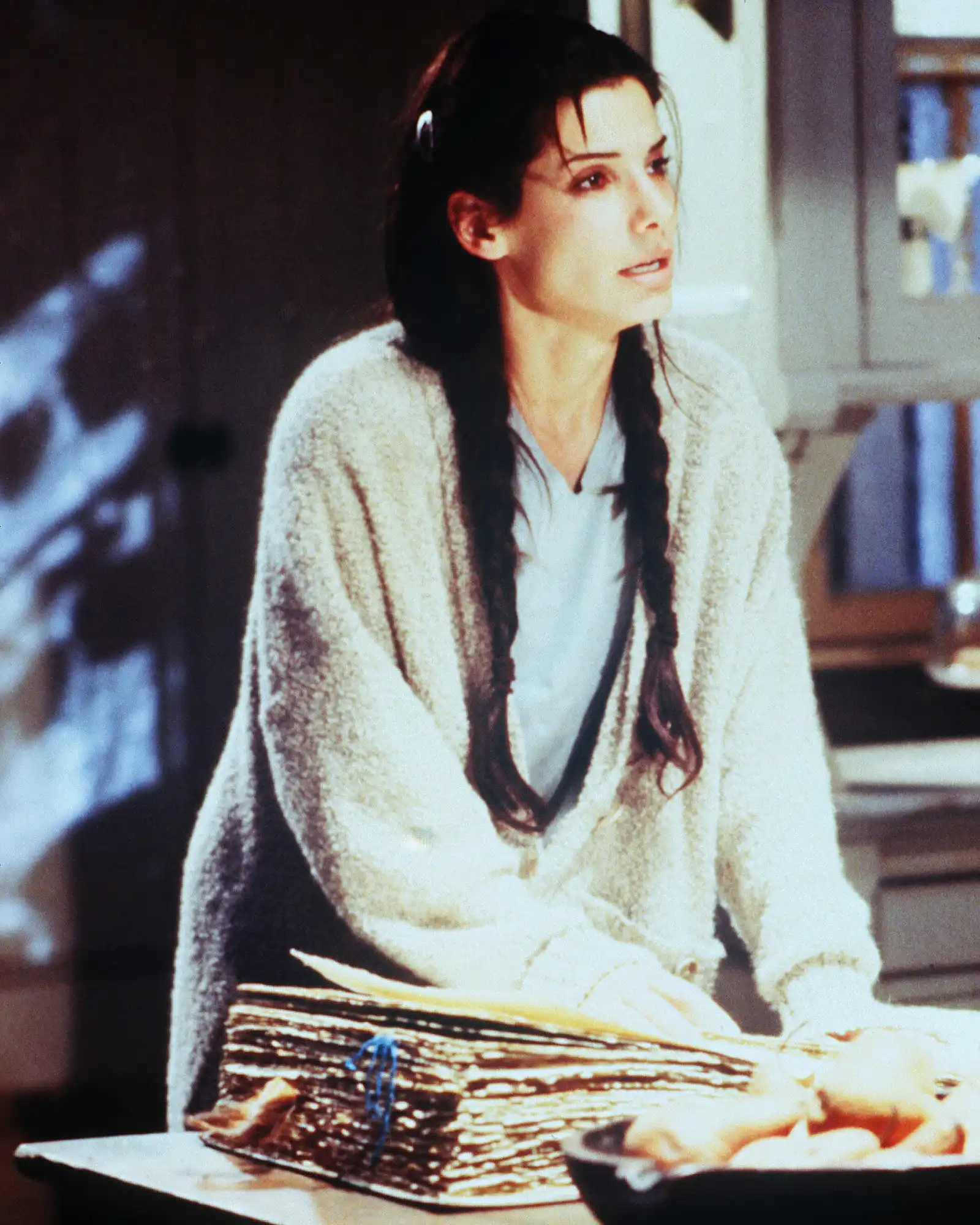
But the fact that a third film is even being discussed illustrates just how dramatically the reputation of Practical Magic has changed.
In 1998, Bullock remembers answering questions about why one movie needed so many women and why its story moved through so many different emotional tones.
In 2026, many of those same qualities are among the reasons the film continues to matter to its fans.
The sisters, the aunts, the daughters and the wider community of women were never simply background characters surrounding a conventional romance. They formed the emotional architecture of the story.
What once made the film difficult for some people to categorize ultimately helped give it a lasting identity.
For Bullock, returning to Sally Owens therefore means revisiting more than a popular role. It means returning to a movie whose reception changed dramatically with time — from a complicated release and a difficult promotional experience to a lasting cultural following strong enough to bring its characters back nearly three decades later.
And perhaps the most remarkable part is that the very question Bullock once found herself answering again and again now seems to have received its own answer.
How many women did Practical Magic need?
Enough to build a world audiences were still willing to return to almost 30 years later.