Fundraiser for Lindsay Clancy Holdout Juror Surges Past $340,000 After He Breaks Silence on Mistrial
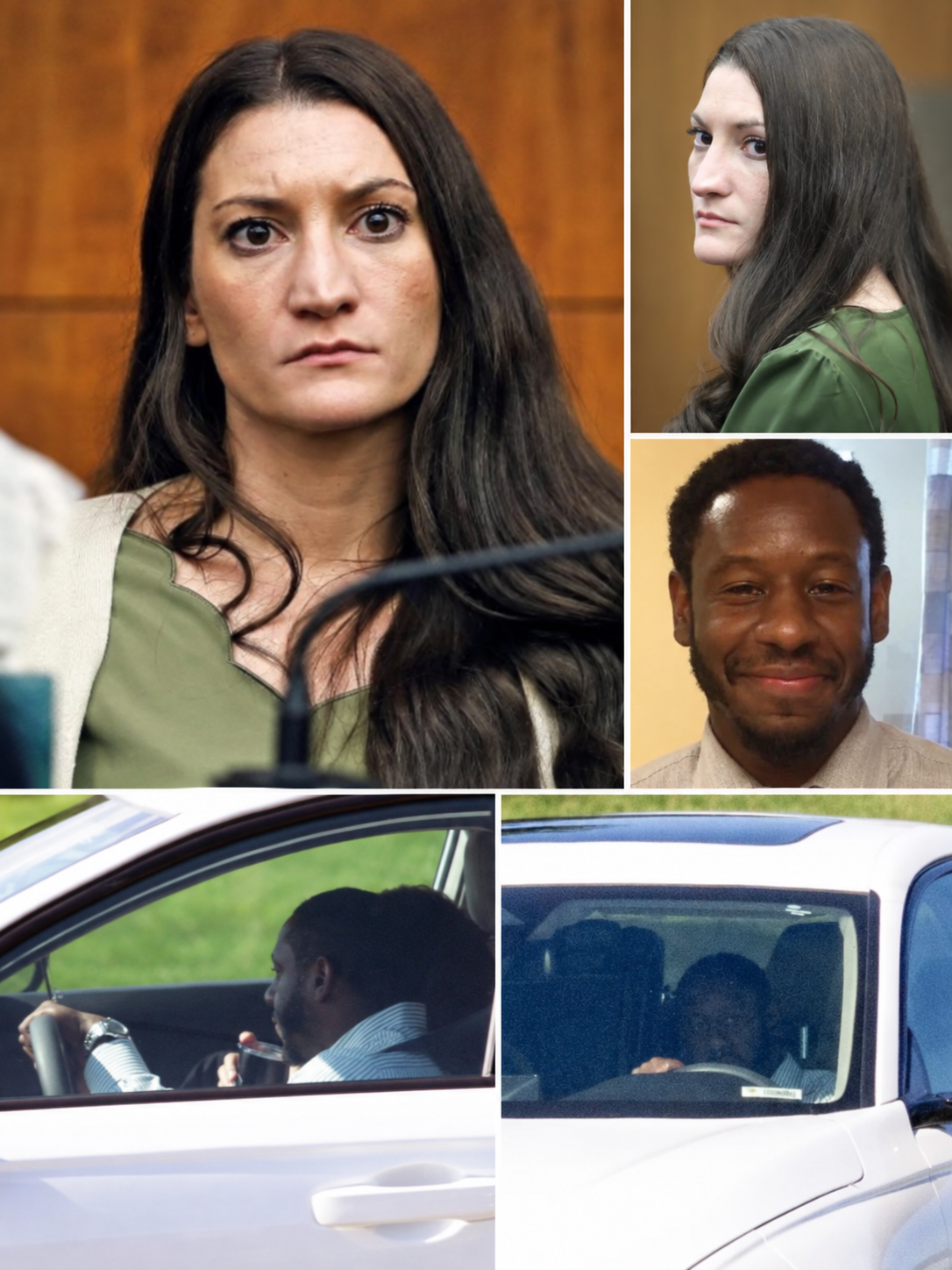
An online fundraiser for Michael P. Desronvil, the lone holdout juror in Lindsay Clancy’s murder trial, has surged past $340,000 after he publicly defended the vote that prevented the jury from reaching a unanimous verdict.
Desronvil was the only member of the 12-person panel who refused to find Clancy not criminally responsible for the deaths of her three children.
The jury deadlocked 11-1 after seven days of deliberations, and Judge William Sullivan declared a mistrial on Sept. 4.
In the two weeks that followed, Desronvil became the focus of intense public attention. Fellow jurors criticized his reasoning in interviews. Details about his personal history began circulating online. His attorney says he and his family received threats and were subjected to doxxing and harassment.
Then Desronvil spoke publicly for the first time.
“I didn’t have any doubts,” he said in a statement released through his representatives on Sept. 18.
Within hours, donations to a campaign established in his support accelerated sharply. By Saturday afternoon, the fundraiser had surpassed $340,000.
Desronvil Says He Believed Clancy Knew What She Was Doing
Desronvil’s statement directly challenged the way several other jurors had described the deliberations.
Those jurors said he appeared to acknowledge reasonable doubt while still refusing to agree with the majority.
Desronvil disputes that characterization.
He said he repeatedly tried to explain alternative interpretations of the evidence but felt other jurors interrupted him before he could fully express his reasoning.
According to his statement, the physical evidence, witness testimony and prosecution’s presentation convinced him that Clancy understood and planned her actions.
He therefore concluded that she should be held criminally responsible.
That position placed him at odds with the other 11 jurors, who ultimately supported a verdict finding Clancy not guilty by reason of lack of criminal responsibility.
The disagreement was enough to prevent a verdict because Massachusetts criminal trials require unanimity.
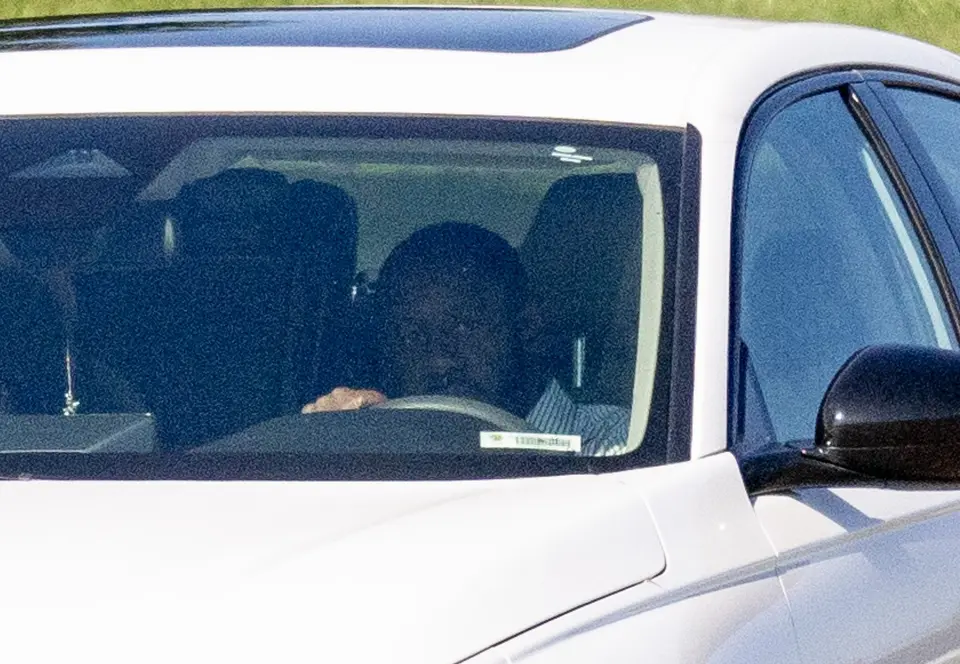
Trial Centered on Lindsay Clancy’s Mental State
Clancy, 36, was tried on three counts of murder in the deaths of her children — 5-year-old Cora, 3-year-old Dawson and 8-month-old Callan — at the family’s Duxbury home on Jan. 24, 2023.
The defense did not dispute that Clancy killed the children.
Instead, her attorneys argued that she was suffering from severe postpartum psychosis and could not legally be held criminally responsible because of her mental condition at the time.
Prosecutors argued that evidence showed planning, awareness and deliberate action.
The case therefore turned largely on one question: whether Clancy understood the wrongfulness of what she was doing.
After a lengthy trial and seven days of deliberations, the jury remained divided.
Judge Sullivan eventually concluded further deliberation would not produce unanimity and declared a mistrial.
Fundraiser Was Initially Surrounded by Confusion
Before Desronvil’s identity was publicly confirmed, multiple fundraising pages began appearing online claiming to support the holdout juror.
His attorney, Edward Paltzik, initially warned that campaigns purporting to raise money for his client were unauthorized and should be treated with caution.
That changed after GiveSendGo co-founder Jacob Wells said he personally spoke with Desronvil and separately communicated with Paltzik.
The platform then verified Desronvil as the official recipient of the campaign.
Once that confirmation became public, donations increased rapidly.
The fundraiser had first set a goal of $250,000. After reaching that threshold, the target was raised as contributions continued arriving.
By Sept. 19, it had exceeded $340,000.
Supporters have described the donations as a response to what they view as unfair treatment of Desronvil after the trial.
His attorney has said the funds are intended to help him deal with the fallout from becoming publicly identified.
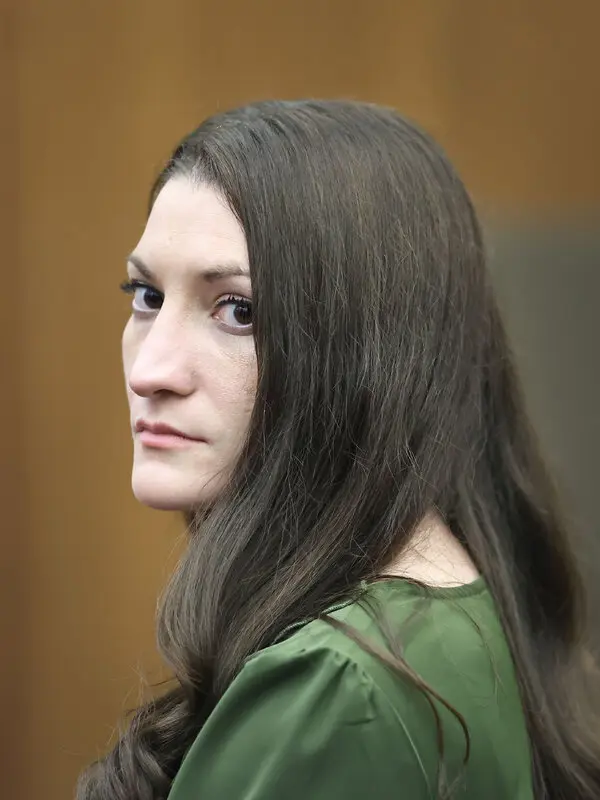
Attorney Says Juror Received Threats and Was Forced Into Hiding
Paltzik has said Desronvil faced significant harassment after the mistrial.
According to the attorney, the juror received death threats, was doxxed online and experienced harassment severe enough that he moved to a secure, undisclosed location in northern New England.
Paltzik has also said Desronvil’s family became fearful for their safety.
The attorney has strongly defended his client’s right to reach an independent conclusion based on the evidence, regardless of the other jurors’ opinions.
He has also threatened legal action against people accused of publishing false information or revealing private details in ways that endangered Desronvil.
The claims about threats have added another dimension to the debate surrounding the trial: whether jurors in high-profile cases can realistically deliberate independently if they expect intense public retaliation after a verdict — or, in this case, after refusing to reach one.
Desronvil’s Background Also Came Under Scrutiny
As interest in the holdout juror grew, reports surfaced about Desronvil’s past.
Public records showed that he had previously faced a domestic violence charge that was later dismissed.
A restraining order involving another family member also became part of the public discussion.
Those disclosures prompted questions about whether his personal history should have affected his selection for the Clancy jury.
There has been no finding that Desronvil concealed disqualifying information during jury selection.
Judge Sullivan also declined a defense request to remove him during deliberations.
The scrutiny over his private life nevertheless intensified after fellow jurors publicly criticized his decision-making.
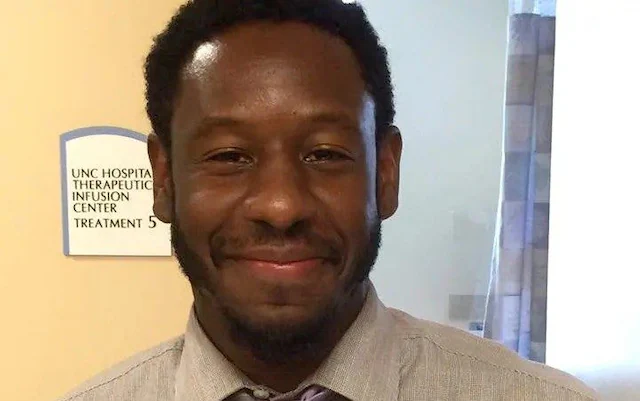
Fellow Jurors Continue to Disagree With His Account
Several members of the jury have offered a sharply different version of what happened inside the deliberation room.
They described an initial split that gradually narrowed until Desronvil was the only juror unwilling to support the insanity verdict.
Some said they believed he had expressed reasonable doubt.
Others questioned whether he was properly applying the judge’s legal instructions.
Desronvil says those descriptions are inaccurate.
Because jury deliberations are confidential and were not recorded publicly, there is no independent transcript showing exactly how every exchange unfolded.
That means the competing accounts may never be fully reconciled.
What is clear is that Desronvil’s vote was legally valid.
A juror is not required to join the majority simply because the other 11 agree.
Public Support Has Become Highly Polarized
The fundraising campaign has also become a symbol of the larger divide surrounding the case.
Some supporters view Desronvil as someone who resisted enormous pressure and remained committed to his interpretation of the evidence.
Others believe the 11-member majority reached the more appropriate conclusion based on the psychiatric evidence presented at trial.
Prominent political figures have also weighed in publicly, contributing to the increasingly polarized discussion around the juror.
That attention has turned what would ordinarily remain a private disagreement among jurors into a national debate about mental illness, criminal responsibility, jury independence and online harassment.
Lindsay Clancy’s Case Is Still Unresolved
Despite the public argument over Desronvil, the central criminal case remains unfinished.
Clancy is still being held at a psychiatric facility.
Prosecutors have not yet announced whether they will retry her.
A new court hearing is scheduled for Sept. 29.
If prosecutors pursue a second trial, another jury would be asked to evaluate many of the same questions that divided the first panel.
If Clancy were eventually found not criminally responsible, she would not necessarily be released. She could remain committed to a secure psychiatric facility subject to ongoing judicial review.
A murder conviction could result in life imprisonment.
For now, however, there is no verdict.
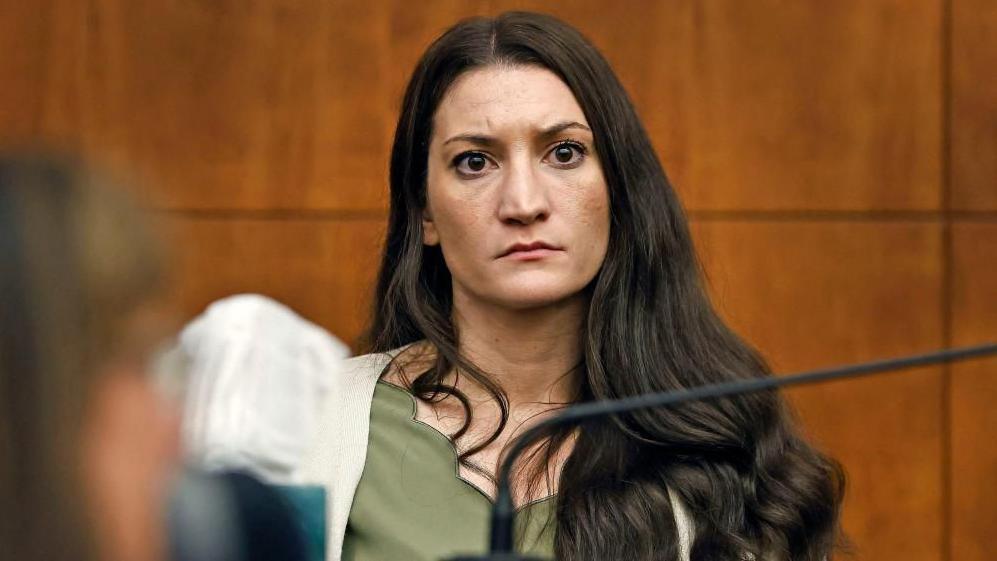
From Anonymous Juror to Public Figure
Before the mistrial, Michael Desronvil was simply one of 12 anonymous jurors tasked with weighing one of Massachusetts’ most closely watched murder cases.
Within two weeks, he had become a nationally recognized figure.
His identity was exposed.
His personal history was examined.
His vote was debated across social media.
His attorney says he received threats serious enough to force him into hiding.
And strangers ultimately contributed more than $340,000 to support him.
Desronvil’s own explanation remains simple.
He says he listened to the evidence and reached a conclusion different from the other jurors.
He says he had no doubts.
Whether a second jury eventually reaches the same conclusion — or the opposite one — remains one of the biggest unanswered questions in the Lindsay Clancy case.