Ed Sheeran Addresses Tour Turmoil in Emotional Philadelphia Speech After Macklemore Exit
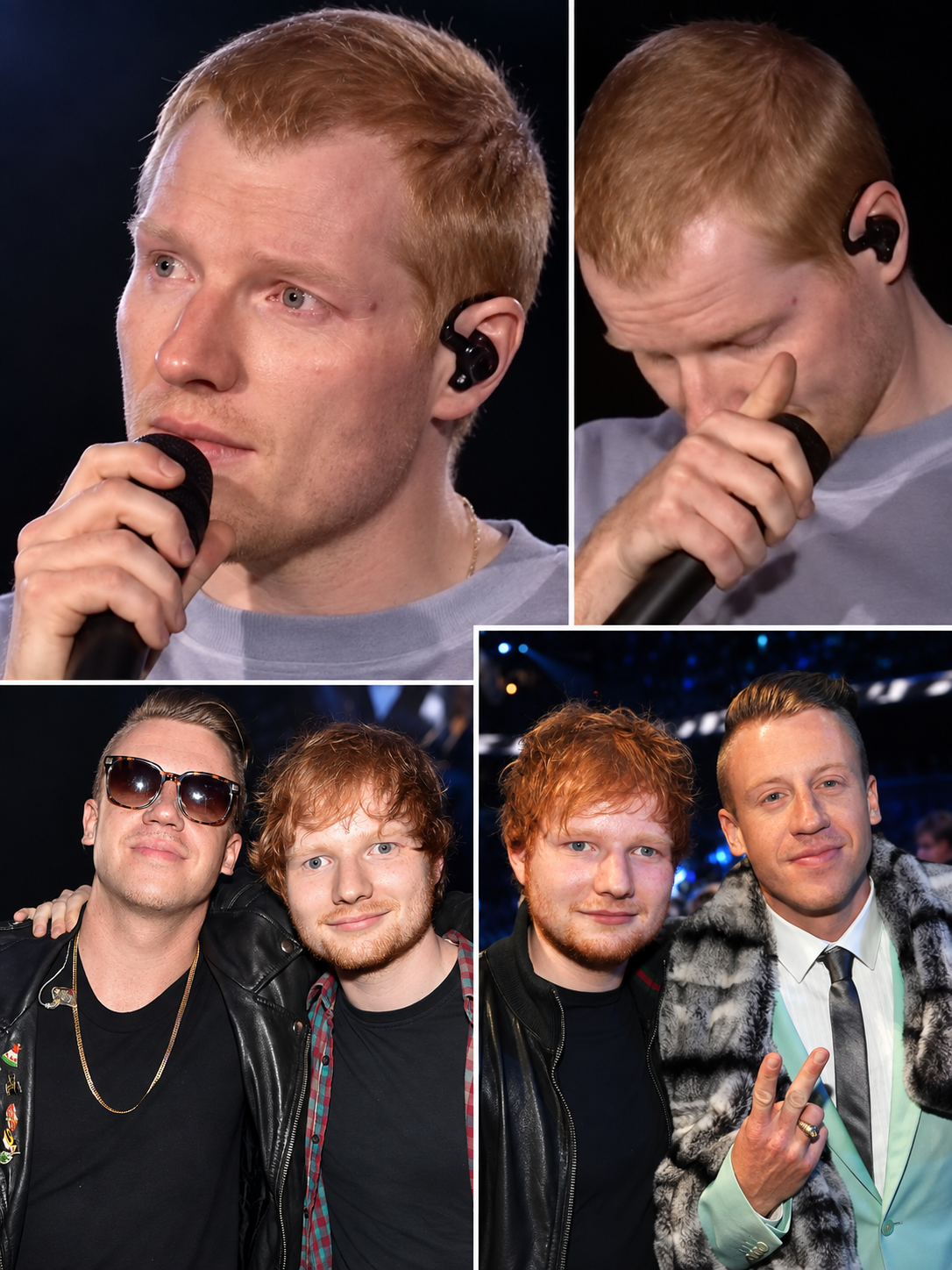
Ed Sheeran stepped onto the stage in Philadelphia carrying more than the usual pressure of a stadium concert.
Days of controversy had surrounded his Loop Tour after Macklemore was removed from the remaining U.S. dates, several other supporting performers withdrew, and questions intensified over who made the decision and why.
On Saturday, Sept. 19, Sheeran finally addressed the situation directly in front of his audience. The 35-year-old singer became emotional as he acknowledged the difficult position he had found himself in and apologized for mistakes he believed he had made while trying to navigate the dispute.
“I’ve had to take and make difficult decisions,” Sheeran told the crowd, adding that he was sorry for disappointing people. He said he had never intended to become known as an activist musician but felt the controversy had placed him inside a deeply charged debate involving freedom of speech, Israel, Palestine and the role of performers and venues.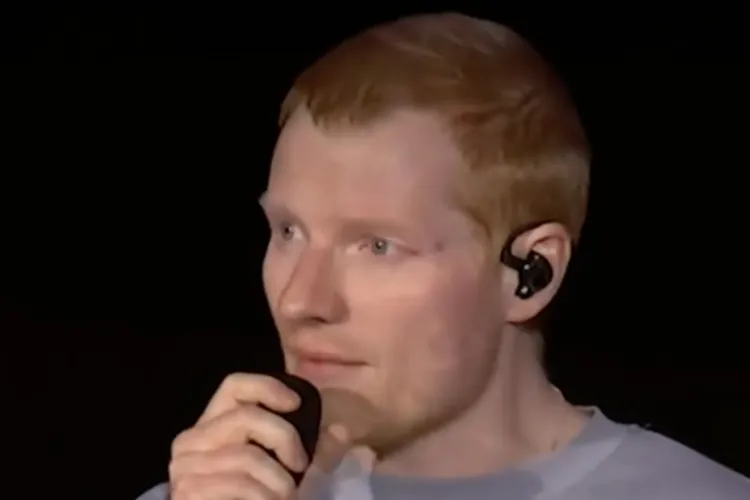
Sheeran Speaks About the Human Cost
Rather than focusing only on the dispute surrounding his tour, Sheeran used part of his remarks to explain how he viewed the humanitarian consequences of the conflict.
He described the Oct. 7 attack at the Nova music festival in Israel as horrific and said it added to longstanding Jewish suffering. He then turned to Gaza, calling the devastation there catastrophic, disproportionate and, in his view, unjustifiable.
Sheeran also said he was deeply affected by civilian casualties, particularly the loss of children, and expressed concern about what he described as systemic injustice unfolding in the West Bank.
“This is a humanitarian issue,” he told the audience, explaining that he no longer felt comfortable remaining silent about his reaction to the suffering.
At the same time, Sheeran acknowledged that he was still learning. He said he had been speaking with people holding different perspectives as he considered how he could contribute to helping victims.
His comments represented his most direct public response since the controversy began reshaping his tour.
Macklemore’s Removal Sparked a Chain Reaction
The dispute began after Macklemore, whose real name is Ben Haggerty, made remarks concerning Israel and Palestine while performing at MetLife Stadium in East Rutherford, New Jersey, on Sept. 4.
Macklemore, 43, had been scheduled to perform at eight additional U.S. dates on Sheeran’s Loop Tour. His next scheduled appearance would have been the Philadelphia concert where Sheeran ultimately delivered his emotional speech.
Instead, Macklemore was removed from the remaining dates.
According to the account described in the article, multiple stadiums involved in upcoming shows called for his removal. Macklemore later alleged that Sheeran told him Robert Kraft, whose Kraft Group owns Gillette Stadium, had said the rapper would not be permitted to perform there. Macklemore further claimed that other stadium owners had joined the opposition to his continued participation.
Macklemore said he and Sheeran had several difficult conversations after the dispute erupted. Although the two musicians have been friends for years, Macklemore characterized those discussions as respectful but ultimately defined by a fundamental disagreement.
He emphasized that he did not intend his public explanation as a personal attack on Sheeran, but said their friendship could not prevent him from describing his version of what had occurred.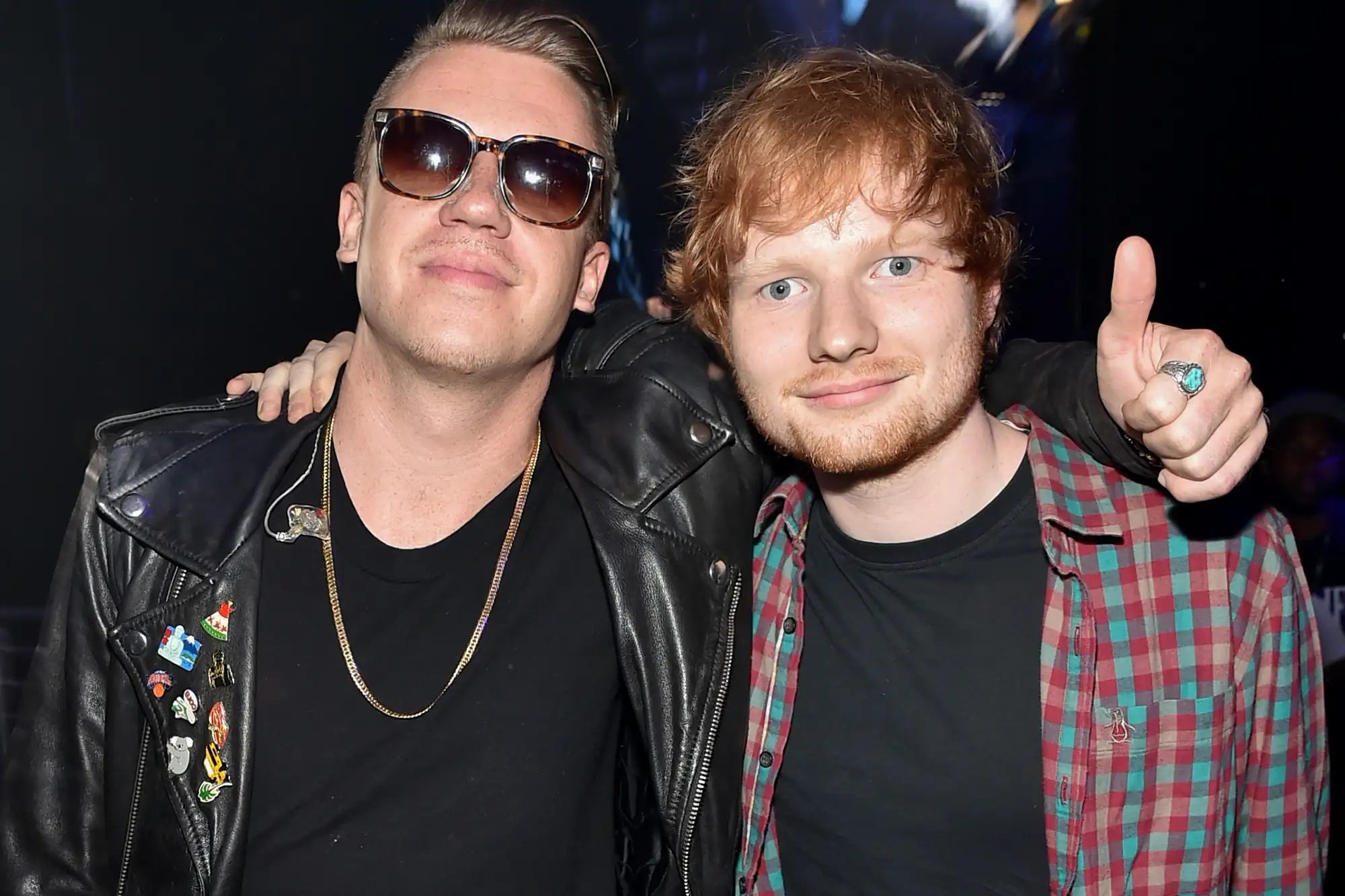
Other Performers Leave the Tour
Macklemore’s removal quickly had consequences beyond his own scheduled appearances.
Finneas, Lukas Graham, Aaron Rowe and Beoga — Sheeran’s live backing band — subsequently withdrew from the tour.
Finneas publicly explained his decision by saying artists should not be silenced for speaking in support of people they consider oppressed, and stated that he stood with Palestinians.
The withdrawals left Sheeran facing growing scrutiny as questions mounted over whether he personally supported Macklemore’s removal.
Sheeran responded on Sept. 15 by saying the decision had not been his.
He explained that Macklemore’s contract was with the tour promoter rather than directly with him and said that abandoning the tour was not an option he believed he could take, pointing to fans who had made plans to attend as well as crew members, musicians and other workers who depended on the shows for employment.
Sheeran said he had spent days speaking with venues, promoters and activists representing differing positions in an effort to find a solution.
According to his statement, venues had communicated that shows could be canceled if Macklemore remained on the bill. Sheeran said he was told the objection centered on how part of Macklemore’s message had been presented during his performance rather than every statement he made.
He also confirmed speaking directly with Kraft as part of those discussions.
Despite those efforts, Sheeran said the ultimate decision by the venues and promoter remained unchanged.
Debate Expands to Free Expression at Concert Venues
During his Philadelphia appearance, Sheeran raised another issue that had emerged from the controversy: how much control venues should have over what artists say onstage.
He said he was deeply concerned about the idea of venues pre-approving performers’ content.
Although he acknowledged encountering such restrictions in various places around the world, Sheeran argued that he did not believe the practice should occur in societies that value free expression.
Kraft, meanwhile, presented a different explanation for his position. In a statement described in the article, he said he did not want to provide a platform for what he characterized as hate speech. He also cited concerns about Macklemore’s recent actions and previous controversies involving material that Jewish audiences had considered offensive.
Macklemore faced criticism in 2014 after appearing onstage in an outfit that some viewers interpreted as an antisemitic caricature. He later apologized and said he had never intended to demean Jewish people or any other culture.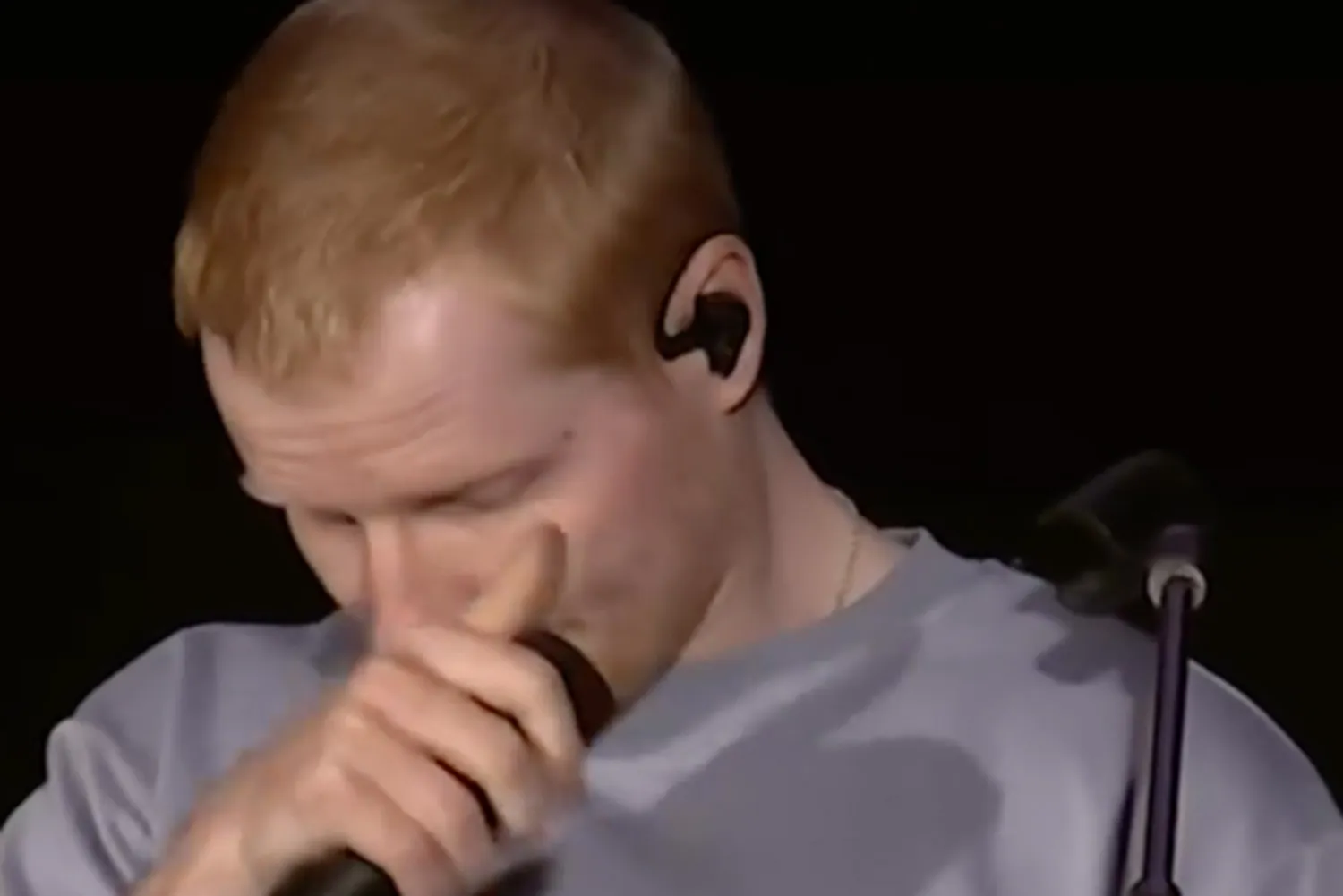
Humanitarian Donations Emerge From the Dispute
As the public argument continued, the musicians also turned attention toward humanitarian aid.
On Sept. 16, Macklemore announced that he planned to donate $1 million he had earned from participating in Sheeran’s tour to organizations assisting Palestinians.
He identified six groups that he said were providing direct support, including organizations focused on children, medical services, food assistance and humanitarian relief.
Macklemore also publicly invited Kraft to match his contribution.
Kraft later said Sheeran had separately approached him about matching a $2 million humanitarian donation intended to address the crisis in the region. Kraft added that Sheeran planned to contact other venue owners as part of an effort to encourage cooperation and humanitarian assistance.
Sheeran Tries to Recenter the Concert
By the time Sheeran faced the Philadelphia audience, the dispute had expanded far beyond a change in opening acts.
It involved friendships, stadium owners, performers withdrawing from shows, questions about artistic freedom and sharply differing interpretations of responsibility in the Israel-Palestine conflict.
Sheeran did not claim to have all of the answers.
Instead, he told the crowd that he was continuing to listen to people with different perspectives because he believed he still had more to learn.
Then he turned back toward what had originally brought thousands of people into the stadium: music.
Sheeran thanked the audience for showing up and said he wanted his concerts to remain places where people with opposing opinions could stand beside one another without needing to agree on everything.
Whatever disagreements existed outside the stadium, he suggested, those attending could still share the experience of singing the same songs together.
With that, Sheeran moved from the controversy into the performance — after one of the most personal and politically charged introductions of his tour.